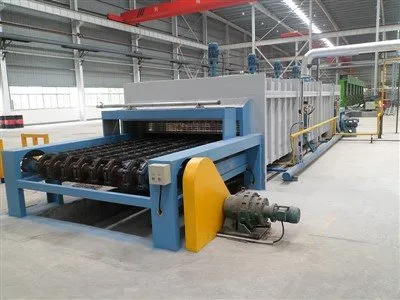
When it comes to the use of spiral round spring equipment, safety is of paramount importance. As a supplier of spiral round spring equipment, I understand the critical role that safety precautions play in ensuring the well - being of operators and the efficient operation of the machinery. In this blog, I will share some essential safety precautions that should be followed when using spiral round spring equipment.
Pre - operation Safety Checks
Before starting any spiral round spring equipment, a thorough pre - operation safety check is necessary. First, inspect the physical condition of the equipment. Look for any visible signs of damage such as cracks, dents, or loose parts on the machine body, frames, and components. Check the fasteners, including bolts and nuts, to ensure they are tightened properly. Loose fasteners can lead to vibrations during operation, which may cause further damage to the equipment or even pose a risk of parts flying off.
Examine the electrical system of the equipment. Check the power cords for any signs of wear, fraying, or exposed wires. A damaged power cord can cause electrical shocks or short - circuits, endangering the operator's life and potentially damaging the equipment. Ensure that the grounding of the equipment is effective. Proper grounding helps to prevent electrical hazards by providing a safe path for electrical current in case of a fault.
The lubrication system is another crucial aspect to inspect. Spiral round spring equipment often has moving parts that require proper lubrication to reduce friction and wear. Check the lubricant levels in the oil reservoirs and make sure that the lubrication channels are clear. Insufficient lubrication can lead to overheating of the parts, increased energy consumption, and premature failure of the equipment.
Operator Training
Proper operator training is non - negotiable when it comes to using spiral round spring equipment safely. Operators should be trained on the specific functions and operations of the equipment they are using. They need to understand how to start, stop, and adjust the equipment correctly. Training should also cover emergency stop procedures. In case of an unexpected situation, operators must be able to quickly and effectively stop the equipment to prevent accidents.
Training should include theoretical knowledge and practical hands - on experience. Operators should learn about the mechanical principles of the spiral round spring equipment, such as how the springs are formed, coiled, and tempered. They should also be familiar with the control panels and instruments of the equipment, including how to read and interpret the readings. For example, understanding the temperature gauges on Continuous Tempering Furnace is crucial as improper temperature control can affect the quality of the springs.
Regular refresher courses should be provided to keep operators updated on the latest safety standards and best practices. New technologies and safety features may be introduced to the equipment over time, and operators need to be aware of these changes.
Personal Protective Equipment (PPE)
Wearing appropriate personal protective equipment is essential for operators using spiral round spring equipment. Safety glasses should be worn at all times to protect the eyes from flying debris, such as metal shavings or small spring fragments. When the equipment is in operation, there is a risk of parts breaking or springs detaching, which can cause eye injuries.
Hearing protection is also necessary, especially in environments where the equipment generates high - level noise. Prolonged exposure to loud noise can lead to hearing loss. Operators should wear earplugs or earmuffs to reduce the noise level reaching their ears.
Gloves are required to protect the hands from sharp edges, hot surfaces, and chemicals. When handling springs, the sharp ends of the springs can cut the hands, and when working with tempering or quenching processes, the gloves can protect against high - temperature surfaces. For example, when using an Automatic Quenching Furnace, operators need to wear heat - resistant gloves.
In addition, operators should wear safety shoes to protect their feet from falling objects or heavy equipment parts. The safety shoes should have steel toes to prevent crushing injuries.
Equipment Maintenance
Regular equipment maintenance is key to ensuring the safe operation of spiral round spring equipment. A maintenance schedule should be established based on the manufacturer's recommendations. This schedule should include routine cleaning, inspection, and replacement of parts.
Cleaning the equipment regularly helps to remove dirt, dust, and debris that can accumulate on the surfaces and in the moving parts. This not only improves the appearance of the equipment but also prevents the build - up of contaminants that can affect the performance and safety of the equipment.
Inspection of the equipment should be carried out at regular intervals. This includes checking the alignment of the components, the condition of the belts and chains, and the performance of the sensors and switches. Faulty sensors or switches can lead to incorrect operation of the equipment, so they need to be replaced promptly.
When it comes to the tempering and quenching processes of spiral round springs, the furnaces such as Helical Spring Stepping Quenching Furnace need special attention. The temperature control systems of these furnaces should be calibrated regularly to ensure accurate temperature regulation. Incorrect temperature can affect the hardness and elasticity of the springs, and also pose a safety risk due to overheating or under - heating.
Safety in the Working Environment
The working environment where the spiral round spring equipment is located also plays an important role in safety. The workspace should be well - ventilated, especially when using furnaces or other equipment that generate fumes or gases. Poor ventilation can lead to the accumulation of harmful substances in the air, which can cause respiratory problems for the operators.
The floor of the workspace should be clean and dry to prevent slips, trips, and falls. Any spills should be cleaned up immediately, and proper signage should be used to mark wet or slippery areas.
There should be sufficient lighting in the workspace. Good lighting helps operators to see the equipment clearly, reducing the risk of errors and accidents. Shadows or dimly lit areas can hide potential hazards, so it is important to ensure that all areas of the workspace are well - illuminated.
Emergency Preparedness
Even with all the safety precautions in place, emergencies can still occur. Therefore, emergency preparedness is crucial. An emergency plan should be developed and communicated to all operators. The plan should include procedures for dealing with fires, electrical faults, and injuries.
Fire extinguishers should be readily available in the workspace, and operators should be trained on how to use them. Different types of fires (such as electrical fires, oil fires) require different types of extinguishers, so it is important to have the appropriate ones on hand.

First - aid kits should also be provided, and operators should be trained in basic first - aid procedures. In case of an injury, prompt first - aid can make a significant difference in the outcome.
Conclusion
In conclusion, using spiral round spring equipment safely requires a comprehensive approach that includes pre - operation checks, operator training, personal protective equipment, regular maintenance, a safe working environment, and emergency preparedness. By following these safety precautions, operators can reduce the risk of accidents and ensure the long - term reliable operation of the equipment.
As a supplier of spiral round spring equipment, we are committed to providing high - quality equipment and also offer support in terms of safety training and maintenance advice. If you are interested in our spiral round spring equipment or have any questions about safety precautions, please feel free to contact us for further discussion and procurement negotiation.
References
- Machinery Safety Standards Handbook, [Publisher], [Year]
- Occupational Safety and Health Administration (OSHA) Guidelines for Metalworking Equipment
- Manufacturer's Manuals for Spiral Round Spring Equipment