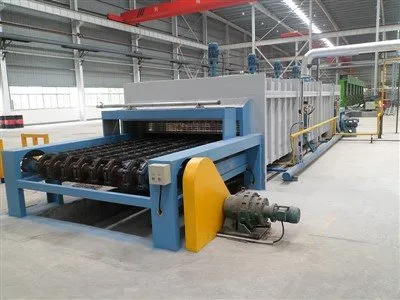
As a supplier of Holding Furnaces, I often encounter inquiries from clients about the versatility of these essential pieces of equipment in industrial settings. A holding furnace, as many might know, is designed to maintain a molten material at a consistent temperature for a specific period. But the question remains: Can a holding furnace be used for different materials? Let's dive deep into this topic to understand the complexities and possibilities.
Understanding the Basics of a Holding Furnace
Before addressing the material compatibility, let's first understand what a holding furnace does. A Holding Furnace is a specialized heating device used in various industries such as metalworking, glass manufacturing, and foundries. Its primary function is to keep the material in a molten state at a precise temperature. This is crucial as it ensures the material's consistency, viscosity, and chemical properties remain stable, which is essential for subsequent processing steps like casting, extrusion, or forming.
Factors Affecting Material Compatibility
When considering whether a holding furnace can be used for different materials, several factors come into play. These factors determine the furnace's adaptability and the quality of the processed materials.
1. Temperature Requirements
Different materials have unique melting points and optimal processing temperatures. For example, aluminum has a relatively low melting point of around 660°C, while steel can require temperatures upwards of 1370°C. A holding furnace must be capable of reaching and maintaining these varied temperature ranges. Modern holding furnaces are often equipped with advanced temperature control systems that allow for precise regulation, increasing the likelihood of accommodating different materials. However, some furnaces may have a limited temperature range, which would restrict their use to a specific set of materials.
2. Chemical Reactivity
Materials can react differently with the furnace lining and other components. Some metals, like magnesium, are highly reactive and can corrode certain refractory materials used in furnace linings. In such cases, a specialized lining material resistant to the corrosive effects of the metal must be used. Otherwise, the integrity of the furnace can be compromised, leading to reduced efficiency and potential safety hazards. Therefore, when considering using a holding furnace for different materials, it is essential to understand the chemical properties of each material and choose a furnace with an appropriate lining.
3. Viscosity and Fluidity
The viscosity and fluidity of the molten material are also critical factors. Materials with high viscosity, such as some types of glass, require a furnace design that can ensure proper mixing and movement within the furnace chamber. This may involve agitation systems or specific chamber geometries to prevent clumping and ensure uniform heating. On the other hand, low-viscosity materials like certain alloys need to be contained properly to avoid leakage. The furnace design must be adaptable to these different requirements to handle a variety of materials effectively.
Applications of Holding Furnaces for Different Materials
Metalworking Industry
In the metalworking industry, holding furnaces are widely used for various metals and alloys. For instance, in aluminum die casting, a holding furnace maintains the aluminum melt at the right temperature for consistent casting quality. The same furnace can potentially be used for other non-ferrous metals like copper and zinc, provided that the temperature range and lining material are suitable. For ferrous metals like steel, a different type of holding furnace with a higher temperature capacity and a refractory lining resistant to slag and high-temperature corrosion is required.
Glass Manufacturing
Holding furnaces play a crucial role in the glass manufacturing process. They keep the molten glass at a stable temperature to ensure uniform shaping and forming. Different types of glass, such as soda-lime glass, borosilicate glass, and lead glass, have different melting points and processing temperatures. A well-designed holding furnace can be adjusted to accommodate these variations, allowing manufacturers to produce different types of glass products using the same equipment.
Other Industries
Apart from metalworking and glass manufacturing, holding furnaces are also used in industries such as the food industry for melting and holding fats and oils, and in the chemical industry for maintaining the temperature of certain molten chemicals. The ability to use a single furnace for different materials in these industries can lead to cost savings and increased operational efficiency.
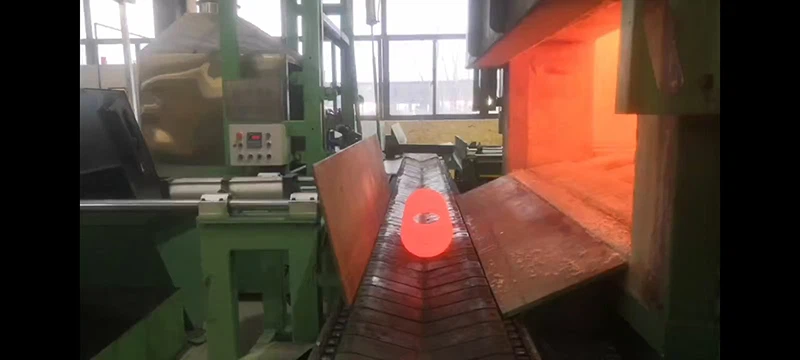

Equipment Adaptations for Different Materials
To use a holding furnace for different materials, some adaptations may be necessary. Here are some common modifications:
Lining Replacement
As mentioned earlier, the furnace lining can have a significant impact on material compatibility. If you plan to process different materials, it may be necessary to replace the lining with a material that is resistant to the specific corrosive or reactive effects of each material. For example, if switching from aluminum processing to steel processing, a more refractory and heat-resistant lining material may be required.
Temperature Control Upgrades
Upgrading the temperature control system can enhance the furnace's adaptability. Advanced temperature sensors and control algorithms can ensure accurate temperature regulation across a wider range of temperatures. This allows the furnace to handle materials with different melting points and processing requirements.
Agitation and Mixing Systems
For materials with high viscosity or those that require uniform mixing, adding an agitation or mixing system can be beneficial. This can improve the flow and homogeneity of the molten material, ensuring consistent quality in the processed products.
Advantages of Using a Single Holding Furnace for Multiple Materials
There are several advantages to using a single holding furnace for different materials:
Cost Savings
Investing in a single versatile furnace can be more cost-effective than purchasing multiple furnaces for different materials. It reduces capital expenditure and also saves on maintenance, energy, and floor space requirements.
Operational Efficiency
Having a single furnace simplifies the production process. Operators only need to be trained on one piece of equipment, and the overall workflow can be streamlined. This leads to increased productivity and reduced downtime.
Flexibility
The ability to process different materials using the same furnace provides manufacturers with greater flexibility in responding to market demands. They can quickly switch between products without having to invest in additional equipment.
Challenges and Considerations
While there are many benefits to using a holding furnace for different materials, there are also some challenges and considerations:
Contamination Risk
When switching between different materials, there is a risk of cross-contamination. Residual material from previous batches can mix with the new material, affecting its quality. Thorough cleaning of the furnace between batches is essential to minimize this risk.
Learning Curve
Adjusting the furnace settings for different materials may require a certain level of expertise. Operators need to be trained to understand the unique requirements of each material and how to optimize the furnace parameters accordingly.
Equipment Wear and Tear
Using a furnace for different materials can increase wear and tear on the equipment. Different materials can have different effects on the furnace lining, heating elements, and other components. Regular maintenance and inspection are necessary to ensure the longevity of the furnace.
Conclusion
In conclusion, a holding furnace can be used for different materials, but it requires careful consideration of several factors. Temperature requirements, chemical reactivity, viscosity, and other material properties must be taken into account, and appropriate equipment adaptations may be necessary. While there are challenges, the advantages of using a versatile holding furnace, such as cost savings, operational efficiency, and flexibility, make it an attractive option for many industries.
As a supplier of Holding Furnaces, we understand the importance of providing solutions that can meet the diverse needs of our customers. Our furnaces are designed with advanced technology and high-quality materials to ensure maximum adaptability and performance. If you are interested in learning more about our holding furnaces and how they can be used for your specific materials, we encourage you to contact us for a detailed discussion. We look forward to working with you to find the best solution for your industrial heating needs.
References
- "Industrial Furnaces: Principles, Design, and Operation" by Michael C. Alexopoulos
- "Handbook of Glass Predicted Properties" by J. D. MacKenzie and David R. Uhlmann
- "Modern Steelmaking" by Robert W. Boyer