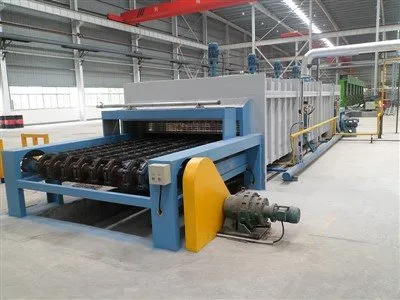
Insulation materials play a crucial role in the performance and efficiency of a trolley heating furnace. As a supplier of trolley heating furnaces, I have in - depth knowledge of the various insulation materials used in these industrial heating systems. In this blog, I will explore the different types of insulation materials, their properties, and why they are essential for trolley heating furnaces.
The Importance of Insulation in Trolley Heating Furnaces
Before delving into the specific insulation materials, it is important to understand why insulation is so vital in trolley heating furnaces. Trolley heating furnaces are used for a variety of industrial processes, such as heat treatment, annealing, and tempering. These processes require precise temperature control and energy efficiency. Insulation helps to maintain the desired temperature inside the furnace, reducing heat loss to the surrounding environment. This not only improves the quality of the heat - treated products but also saves energy, which in turn reduces operating costs.
Types of Insulation Materials
1. Fibrous Insulation Materials
Fibrous insulation materials are among the most commonly used in trolley heating furnaces. These materials are made up of fine fibers that trap air, providing excellent thermal insulation.
- Ceramic Fiber Insulation: Ceramic fiber insulation is a popular choice due to its high - temperature resistance. It can withstand temperatures up to 1600°C, making it suitable for high - temperature applications in trolley heating furnaces. Ceramic fiber insulation is lightweight, which reduces the overall weight of the furnace. It also has low thermal conductivity, meaning it can effectively prevent heat from escaping the furnace. For example, in a heat - treating trolley furnace where the temperature needs to be maintained at a very high level for a long time, ceramic fiber insulation can ensure that the heat stays inside the furnace, improving the efficiency of the heat - treatment process.
- Mineral Wool Insulation: Mineral wool insulation is another fibrous material that is widely used. It is made from natural or synthetic minerals and has good thermal insulation properties. Mineral wool can withstand temperatures up to about 700 - 900°C, which is suitable for medium - temperature trolley heating furnaces. It is also fire - resistant and has good sound - absorption properties, which can reduce noise pollution in the industrial environment.
2. Refractory Insulation Materials
Refractory insulation materials are designed to withstand high temperatures and harsh chemical environments. They are often used in the lining of trolley heating furnaces.
- Fireclay Bricks: Fireclay bricks are made from fireclay, a type of clay that has high heat - resistance properties. They can withstand temperatures up to 1300 - 1500°C. Fireclay bricks are dense and durable, providing a strong and stable lining for the furnace. They are commonly used in the inner lining of trolley heating furnaces to protect the outer shell from the high - temperature and corrosive environment inside the furnace.
- Insulating Firebricks: Insulating firebricks are lighter and have lower thermal conductivity compared to fireclay bricks. They are made from a combination of refractory materials and lightweight aggregates. Insulating firebricks can withstand temperatures up to 1200 - 1400°C and are used to reduce heat loss through the furnace walls. They are often used in conjunction with other insulation materials to improve the overall insulation performance of the furnace.
3. Castable Insulation Materials
Castable insulation materials are poured or cast into place, making them suitable for complex shapes and irregular areas in the furnace.
- Refractory Castables: Refractory castables are a mixture of refractory aggregates, binders, and additives. They can be customized to meet specific temperature and performance requirements. Refractory castables can be installed easily and can form a seamless lining in the furnace. They can withstand high temperatures and are resistant to abrasion and chemical attack. For example, in a trolley heating furnace where there are areas with complex geometries, such as around the heating elements or in the corners, refractory castables can be used to provide a continuous and effective insulation layer.
Factors to Consider When Choosing Insulation Materials
When selecting insulation materials for a trolley heating furnace, several factors need to be considered:
- Temperature Requirements: The maximum temperature that the furnace will reach is a crucial factor. Different insulation materials have different temperature limits, and it is essential to choose a material that can withstand the operating temperature of the furnace. For high - temperature applications, materials like ceramic fiber insulation or fireclay bricks are more suitable, while for medium - temperature applications, mineral wool insulation or insulating firebricks may be sufficient.
- Thermal Conductivity: The thermal conductivity of the insulation material determines how well it can prevent heat transfer. A material with low thermal conductivity is preferred as it will reduce heat loss from the furnace, improving energy efficiency.
- Durability and Resistance: The insulation material should be durable and resistant to abrasion, chemical attack, and mechanical stress. In a trolley heating furnace, the insulation may be exposed to moving parts, hot gases, and corrosive substances, so it needs to be able to withstand these conditions without deteriorating quickly.
- Cost - effectiveness: The cost of the insulation material is also an important consideration. While high - performance insulation materials may offer better insulation properties, they may also be more expensive. It is necessary to balance the performance requirements with the cost to ensure that the overall investment in the furnace is cost - effective.
Our Offerings as a Trolley Heating Furnace Supplier
As a trolley heating furnace supplier, we understand the importance of using the right insulation materials. We offer a wide range of trolley heating furnaces that are designed with high - quality insulation materials to ensure optimal performance and energy efficiency. Our furnaces are suitable for various industrial applications, and we can customize the insulation materials according to the specific requirements of our customers.
In addition to trolley heating furnaces, we also provide other types of furnaces such as Forging Furnace, Hot Air Drying Furnace, and Spitfire Furnace. These furnaces are also equipped with appropriate insulation materials to meet the specific needs of different industrial processes.
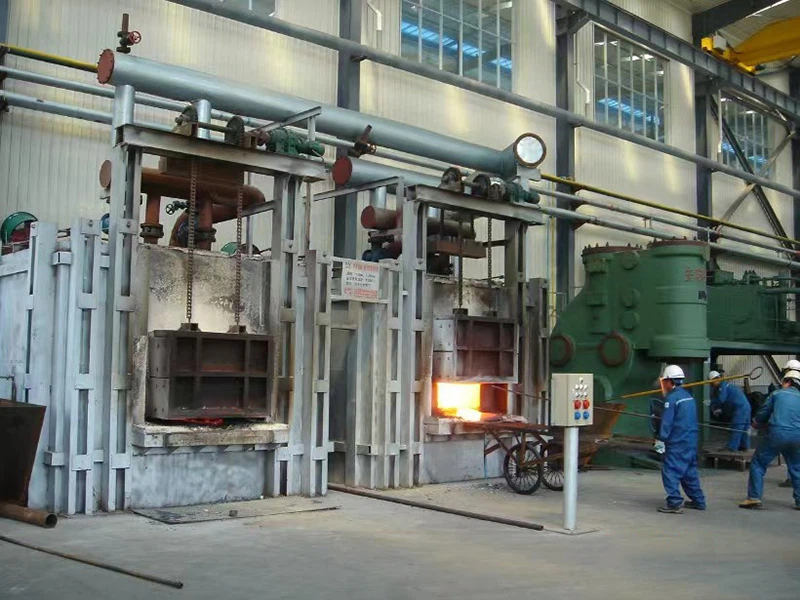

If you are looking for a reliable and efficient trolley heating furnace or other types of furnaces, we would be more than happy to discuss your requirements. Our team of experts can provide you with detailed information about the insulation materials used in our furnaces and help you choose the most suitable solution for your business. Whether you are in the heat - treatment industry, forging industry, or any other industry that requires heating equipment, we have the expertise and products to meet your needs. Contact us today to start the procurement negotiation process and take your industrial heating operations to the next level.
References
- “Industrial Furnace Handbook: Principles, Construction, and Operation” by Karl H. Scheffknecht
- “Refractories Handbook” by V. S. Ramachandran