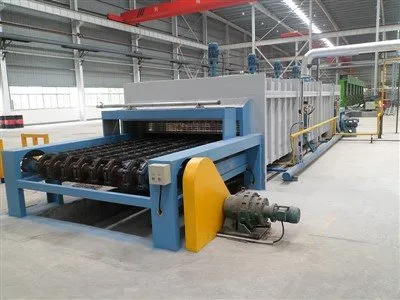
Hey there! As a supplier of Gas Control Systems, I've seen firsthand how crucial these systems are in greenhouse gas management. In this blog, I'm gonna break down the functions of gas control systems and why they're a game - changer in keeping our environment in check.
Monitoring Gas Levels
One of the primary functions of a Gas Control System is to monitor the levels of greenhouse gases. Greenhouse gases like carbon dioxide (CO₂), methane (CH₄), and nitrous oxide (N₂O) are major contributors to global warming. With a Gas Control System, we can accurately measure the concentration of these gases in a given environment, whether it's an industrial facility, a landfill, or a large - scale agricultural operation.
For instance, in an industrial plant, the system continuously samples the air and analyzes the gas composition. It can detect even the slightest increase in CO₂ levels, which might indicate inefficient combustion processes. By having real - time data on gas levels, plant managers can take immediate action to optimize operations and reduce emissions. This not only helps in meeting environmental regulations but also saves costs in the long run by improving energy efficiency.
Emission Reduction
Once the gas levels are monitored, the next step is to reduce emissions. Gas control systems play a vital role in this process. They can be integrated with other equipment to implement emission - reduction strategies.


Take the Desulfurization and Denitrification Tower for example. When used in conjunction with a gas control system, it can effectively remove sulfur and nitrogen compounds from exhaust gases. These compounds are not only harmful to the environment but also contribute to the formation of acid rain. The gas control system ensures that the tower operates at its optimal capacity by regulating the flow of gases and the dosage of chemicals used in the desulfurization and denitrification processes.
Another way gas control systems help in emission reduction is through the use of Storing Heat To Burn Exhaust Gas Furnace. This furnace can burn off harmful exhaust gases, converting them into less - harmful substances. The gas control system manages the temperature, pressure, and flow rate of the exhaust gases entering the furnace, ensuring complete combustion and maximum reduction of greenhouse gas emissions.
Process Optimization
Gas control systems are also essential for process optimization. In many industries, the production processes involve the use of gases. By controlling the gas flow, pressure, and composition, these systems can improve the efficiency of the production processes.
In the chemical industry, for example, precise control of gas mixtures is crucial for the synthesis of various chemicals. A gas control system can ensure that the right amount of reactant gases is supplied at the right time and under the right conditions. This not only increases the yield of the chemical reactions but also reduces waste and energy consumption.
In the food and beverage industry, gas control systems are used to control the atmosphere in storage facilities. By maintaining the right levels of oxygen, carbon dioxide, and nitrogen, the shelf - life of products can be extended, reducing food waste and the associated greenhouse gas emissions from food decomposition.
Safety Assurance
Safety is a top priority when it comes to handling greenhouse gases. Many of these gases are flammable, toxic, or can displace oxygen, posing a significant risk to human health and the environment. Gas control systems are equipped with safety features to prevent accidents.
They have sensors that can detect gas leaks and trigger alarms immediately. In case of a leak, the system can automatically shut off the gas supply and activate ventilation systems to disperse the leaked gas. This helps in preventing explosions, fires, and exposure to toxic gases.
In addition, gas control systems are designed to operate within safe pressure and temperature limits. They continuously monitor these parameters and adjust the system settings to ensure safe operation. This is especially important in industries where high - pressure gas storage and handling are involved.
Data Logging and Reporting
Lastly, gas control systems offer data logging and reporting capabilities. All the data collected from the gas monitoring sensors is stored in a database, which can be accessed and analyzed later. This data is valuable for several reasons.
It can be used for regulatory compliance. Many environmental regulations require companies to keep records of their greenhouse gas emissions. The data logged by the gas control system can be used to generate detailed reports that can be submitted to regulatory authorities.
The data can also be used for performance evaluation. By analyzing the historical data, companies can identify trends in gas emissions, energy consumption, and process efficiency. This information can be used to set goals for future emission reduction and process improvement.
Conclusion
In conclusion, gas control systems are multi - functional tools that are essential for effective greenhouse gas management. They offer monitoring, emission reduction, process optimization, safety assurance, and data logging capabilities. Whether you're an industrial manufacturer, a waste management company, or a food producer, a Gas Control System can help you reduce your environmental impact, improve your operational efficiency, and ensure the safety of your workplace.
If you're interested in learning more about how our gas control systems can benefit your business, or if you're ready to start a procurement discussion, don't hesitate to reach out. We're here to help you find the best solutions for your greenhouse gas management needs.
References
- IPCC (Intergovernmental Panel on Climate Change). Climate Change 2021: The Physical Science Basis. Contribution of Working Group I to the Sixth Assessment Report of the Intergovernmental Panel on Climate Change.
- Environmental Protection Agency (EPA). Greenhouse Gas Reporting Program.
- Various industry - specific technical manuals and research papers on gas control and greenhouse gas management.