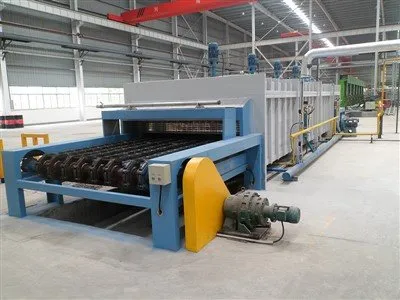
As a supplier of Trolley Heating Furnaces, I understand the critical importance of fire safety in industrial settings. Trolley heating furnaces are widely used in various industries for heat treatment processes, such as annealing, tempering, and stress relieving. However, these high - temperature operations pose significant fire risks if not properly managed. In this blog, I will discuss the essential fire - safety measures for a trolley heating furnace to ensure a safe working environment.
1. Installation and Location
The first step in fire safety begins with the proper installation and location of the trolley heating furnace. The furnace should be installed in a well - ventilated area, away from flammable materials, combustible storage, and other potential ignition sources. A clear space of at least 3 feet (about 0.91 meters) should be maintained around the furnace to prevent the spread of fire.
When selecting the installation site, it is also important to consider the building's fire - protection features. The area should be equipped with fire - rated walls, floors, and ceilings to contain the fire in case of an emergency. Additionally, the furnace should be installed on a non - combustible surface to minimize the risk of fire spreading through the floor.
2. Regular Maintenance
Regular maintenance is crucial for the safe operation of a trolley heating furnace. All components of the furnace, including the heating elements, insulation, and control systems, should be inspected and maintained on a regular basis. Faulty heating elements can overheat and cause a fire, so it is essential to check for any signs of damage or wear and replace them as needed.
The insulation of the furnace should also be inspected for integrity. Damaged insulation can lead to heat leakage, which not only reduces the efficiency of the furnace but also increases the risk of fire. Insulation materials should be replaced if they are cracked, worn, or contaminated.
The control systems of the furnace, such as temperature controllers and safety switches, should be calibrated and tested regularly to ensure accurate operation. Malfunctioning control systems can cause the furnace to overheat, leading to a fire hazard.
3. Operator Training
Proper operator training is one of the most important fire - safety measures. Operators should be thoroughly trained on the correct operation of the trolley heating furnace, including start - up, shutdown, and emergency procedures. They should understand the potential fire risks associated with the furnace and know how to prevent and respond to fires.
Training should cover topics such as the safe handling of fuels (if applicable), the use of personal protective equipment (PPE), and the operation of fire - suppression systems. Operators should also be trained to recognize the signs of a potential fire, such as unusual smells, smoke, or overheating, and know when to shut down the furnace immediately.
4. Fire - Suppression Systems
Installing appropriate fire - suppression systems is essential for protecting the trolley heating furnace and the surrounding area. There are several types of fire - suppression systems available, including sprinkler systems, dry chemical extinguishers, and carbon dioxide extinguishers.


Sprinkler systems are effective for controlling large fires. They can be installed in the area around the furnace to quickly douse the flames in case of a fire. Dry chemical extinguishers are suitable for extinguishing fires involving flammable liquids, gases, and electrical equipment. Carbon dioxide extinguishers are ideal for electrical fires as they do not leave any residue.
It is important to ensure that all fire - suppression systems are properly installed, maintained, and inspected regularly. Operators should also be trained on how to use these systems effectively in case of an emergency.
5. Fuel Storage and Handling
If the trolley heating furnace uses fuel, such as natural gas or oil, proper storage and handling of the fuel are critical for fire safety. Fuel storage tanks should be located in a well - ventilated area, away from the furnace and other ignition sources. They should be designed and installed according to relevant safety standards to prevent leaks and spills.
Fuel lines should be inspected regularly for signs of damage, corrosion, or leaks. Any leaks should be repaired immediately to prevent the accumulation of flammable vapors. When refueling the furnace, operators should follow strict safety procedures to avoid spills and ensure that the fuel is transferred safely.
6. Monitoring and Alarm Systems
Installing monitoring and alarm systems can help detect potential fire hazards early. Temperature sensors can be installed in the furnace to monitor the temperature and send an alarm if it exceeds the safe limit. Smoke detectors can also be installed in the area around the furnace to detect the presence of smoke, which is often an early sign of a fire.
These alarm systems should be connected to a central monitoring station or a local alarm panel so that operators can be notified immediately in case of an emergency. Regular testing of these monitoring and alarm systems is necessary to ensure their reliability.
7. Emergency Preparedness
In addition to preventive measures, it is important to have a well - developed emergency preparedness plan. The plan should include procedures for evacuating the area in case of a fire, as well as instructions for shutting down the furnace and other equipment safely.
Evacuation routes should be clearly marked, and regular evacuation drills should be conducted to ensure that all employees are familiar with the procedures. First - aid kits and emergency exits should be easily accessible in the area around the furnace.
Related Products
As a supplier, we also offer other related products such as Hot Air Drying Furnace and Spitfire Furnace. These products also follow strict fire - safety standards and can be a great addition to your industrial equipment lineup. If you are interested in our Trolley Heating Furnace or other products, please feel free to contact us for procurement discussions. We are committed to providing you with high - quality products and comprehensive fire - safety solutions.
References
- NFPA 86: Standard for Ovens and Furnaces. National Fire Protection Association.
- OSHA Regulations for Industrial Furnaces. Occupational Safety and Health Administration.
- Manufacturer's Manuals for Trolley Heating Furnaces.