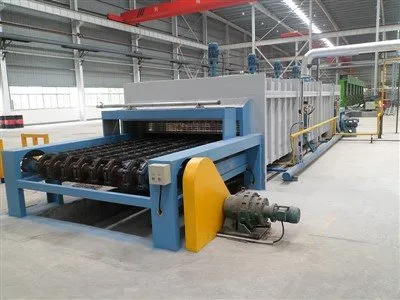
Hey there! As a supplier of melting furnaces, I've seen firsthand how energy costs can really eat into a business's bottom line. That's why I'm super pumped to share some energy - saving measures for melting furnaces with you.
1. Insulation Upgrades
One of the simplest yet most effective ways to save energy in a melting furnace is to improve its insulation. A well - insulated furnace loses less heat to the surrounding environment. Over time, the insulation in a furnace can wear out or become damaged. When that happens, heat escapes, and you end up using more energy to keep the furnace at the right temperature.
You can use high - quality refractory materials for insulation. These materials have low thermal conductivity, which means they're great at keeping the heat inside the furnace. By upgrading the insulation, you can reduce heat loss by a significant amount. For example, some advanced refractory materials can cut down heat loss by up to 30%. This translates directly into lower energy consumption and cost savings for you.
2. Optimize Furnace Loading
How you load your melting furnace matters a lot when it comes to energy efficiency. Loading the furnace to its optimal capacity is key. If you under - load the furnace, you're using a lot of energy to heat up a small amount of material. On the other hand, over - loading can lead to uneven heating and may even damage the furnace.
It's important to follow the manufacturer's guidelines for the maximum and minimum load capacities. Also, make sure to arrange the materials in the furnace in a way that allows for even heat distribution. For instance, if you're melting metal, stack the metal pieces neatly so that the heat can reach all parts of the load quickly and efficiently. This way, you can melt the material faster and use less energy in the process.
3. Use of Waste Heat Recovery Systems
Waste heat recovery is a game - changer when it comes to energy - saving in melting furnaces. Most melting furnaces generate a large amount of waste heat that is usually just released into the atmosphere. But this heat can be harnessed and reused.
There are different types of waste heat recovery systems. One common method is to use a heat exchanger. A heat exchanger can transfer the waste heat from the furnace exhaust gases to a fluid, like water or air. The heated fluid can then be used for other processes in your facility, such as pre - heating the incoming materials or for space heating.
By implementing a waste heat recovery system, you can significantly reduce the amount of additional energy needed to run these other processes. This not only saves energy but also cuts down on your overall operational costs.
4. Advanced Burner Technology
The burner is the heart of a melting furnace, and using advanced burner technology can lead to substantial energy savings. Modern burners are designed to provide better combustion efficiency. They can mix the fuel and air more precisely, ensuring that the fuel burns more completely.
Some advanced burners use features like oxygen enrichment. By increasing the oxygen content in the combustion air, the fuel burns more efficiently, producing more heat with less fuel. This results in lower energy consumption and reduced emissions.
Also, variable - speed burners are a great option. These burners can adjust their firing rate based on the actual heat demand of the furnace. So, when the furnace doesn't need as much heat, the burner can operate at a lower speed, saving energy.
5. Regular Maintenance
Regular maintenance is crucial for the energy efficiency of a melting furnace. A poorly maintained furnace can have a lot of problems that lead to increased energy use. For example, dirty burners can cause incomplete combustion, which means you're using more fuel to get the same amount of heat.
You should clean the burners regularly to remove any dirt, debris, or carbon deposits. Check the furnace's seals and gaskets to make sure there are no air leaks. Leaky seals can allow hot air to escape and cold air to enter, forcing the furnace to work harder to maintain the right temperature.
Also, inspect the heating elements and control systems. Faulty heating elements may not heat the furnace evenly, and malfunctioning control systems can cause the furnace to operate inefficiently. By keeping your furnace in top - notch condition, you can ensure it uses energy as efficiently as possible.
6. Pre - heating of Materials
Pre - heating the materials before they go into the melting furnace can save a significant amount of energy. When you pre - heat the materials, you're reducing the amount of heat the furnace needs to add to reach the melting point.
You can use waste heat from the furnace or other sources to pre - heat the materials. For example, if you have a [Hot Air Drying Furnace](/mechanical - equipments/hot - air - drying - furnace.html), you can use the hot air from it to pre - heat the materials for the melting furnace. This way, you're making use of the heat that would otherwise be wasted.
7. Automation and Control Systems
Implementing advanced automation and control systems can optimize the energy use of a melting furnace. These systems can monitor and adjust various parameters of the furnace, such as temperature, pressure, and fuel flow, in real - time.
For example, an automated control system can adjust the burner's firing rate based on the temperature inside the furnace. If the temperature is getting too high, the system can reduce the fuel flow to the burner. If the temperature is too low, it can increase the fuel flow. This ensures that the furnace is always operating at the most energy - efficient level.
8. Consider Alternative Furnace Types
Depending on your specific needs, you might want to consider alternative furnace types that are more energy - efficient. For example, a [Storing Heat Heating Furnace](/mechanical - equipments/storing - heat - heating - furnace.html) can store heat during off - peak hours when energy is cheaper and then release it when needed. This can lead to significant cost savings.
Another option is a [Forging Furnace](/mechanical - equipments/forging - furnace.html), which is designed to heat metal for forging processes. These furnaces are often more energy - efficient compared to traditional melting furnaces for certain applications.
In conclusion, there are many ways to save energy in a melting furnace. By implementing these energy - saving measures, you can reduce your energy costs, increase the efficiency of your operations, and be more environmentally friendly.
If you're interested in learning more about how to make your melting furnace more energy - efficient or if you're looking to purchase a new melting furnace, I'd love to talk to you. Feel free to reach out for a chat about your specific needs and how we can help you achieve your energy - saving goals.
References

- "Energy Efficiency in Industrial Furnaces" by Industrial Energy Technology Alliance
- "Handbook of Industrial Furnaces" by Elsevier