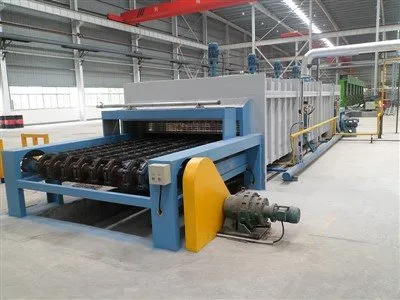
As a quenching pool supplier, I've witnessed firsthand how the frequency of quenching pool cleaning can significantly impact the quenching process. In this blog, I'll delve into the various effects of different cleaning frequencies on quenching, exploring both the technical and practical aspects of this crucial industrial operation.
Understanding the Quenching Process
Before we discuss the impact of cleaning frequency, it's essential to understand the quenching process itself. Quenching is a heat treatment process used to harden materials, typically metals, by rapidly cooling them from a high temperature. This rapid cooling, often achieved by immersing the heated material in a quenching pool filled with a quenching medium such as oil or water, alters the material's microstructure, resulting in increased hardness and strength.
The quenching medium plays a vital role in the process. It absorbs the heat from the heated material, facilitating the rapid cooling required for hardening. However, over time, the quenching medium can become contaminated with various impurities, including metal particles, scale, and oxidation products. These contaminants can have a detrimental effect on the quenching process, leading to inconsistent results and potential damage to the quenched materials.


Effects of Infrequent Cleaning
When the quenching pool is not cleaned regularly, several issues can arise. One of the most significant problems is the accumulation of contaminants in the quenching medium. As metal particles and scale build up, they can form a layer on the surface of the quenched material, preventing the quenching medium from coming into direct contact with the metal. This can result in uneven cooling, leading to variations in hardness and microstructure across the material.
In addition to uneven cooling, the presence of contaminants can also affect the cooling rate of the quenching medium. As the medium becomes more viscous due to the accumulation of particles, it may not be able to absorb heat as efficiently as a clean medium. This can slow down the cooling process, reducing the hardness and strength of the quenched material.
Another consequence of infrequent cleaning is the increased risk of corrosion. The contaminants in the quenching medium can react with the metal surface, causing corrosion and pitting. This not only affects the appearance of the quenched material but can also compromise its mechanical properties, reducing its durability and lifespan.
Effects of Frequent Cleaning
On the other hand, frequent cleaning of the quenching pool can help maintain the quality and consistency of the quenching process. By removing contaminants regularly, the quenching medium can maintain its cooling efficiency, ensuring that the heated material is cooled rapidly and uniformly. This results in more consistent hardness and microstructure across the material, improving its mechanical properties and performance.
Frequent cleaning also helps prevent corrosion by removing the contaminants that can react with the metal surface. This extends the lifespan of the quenched material, reducing the need for costly repairs and replacements.
In addition to improving the quality of the quenched material, frequent cleaning can also enhance the efficiency of the quenching process. A clean quenching medium requires less energy to circulate, reducing operating costs and improving overall productivity.
Finding the Right Cleaning Frequency
So, what is the optimal cleaning frequency for a quenching pool? The answer depends on several factors, including the type of quenching medium, the volume of material being quenched, and the operating conditions of the quenching pool.
In general, it's recommended to clean the quenching pool at least once a month for small to medium-sized operations. For larger operations or those with high volumes of material being quenched, more frequent cleaning may be necessary. It's also important to monitor the condition of the quenching medium regularly and adjust the cleaning frequency as needed.
The Role of Equipment in Quenching Pool Cleaning
To ensure effective and efficient cleaning of the quenching pool, it's essential to use the right equipment. There are several types of equipment available for quenching pool cleaning, including Volume Ear Machine, Automatic Drilling Machine, and Quenching Machine.
These machines are designed to remove contaminants from the quenching medium quickly and efficiently, reducing downtime and improving productivity. They can also help ensure that the quenching pool is cleaned thoroughly, preventing the accumulation of contaminants and maintaining the quality of the quenching process.
Conclusion
In conclusion, the frequency of quenching pool cleaning has a significant impact on the quenching process. Infrequent cleaning can lead to uneven cooling, reduced hardness, and increased corrosion, while frequent cleaning can improve the quality and consistency of the quenched material, enhance the efficiency of the process, and extend the lifespan of the equipment.
As a quenching pool supplier, I understand the importance of maintaining a clean and efficient quenching pool. That's why I offer a range of high-quality quenching pool cleaning equipment and services to help my customers achieve the best possible results.
If you're interested in learning more about our products and services or have any questions about quenching pool cleaning, please don't hesitate to contact me. I'd be happy to discuss your specific needs and provide you with a customized solution.
References
- Smith, J. (2018). Heat Treatment Handbook. New York: McGraw-Hill.
- Jones, R. (2019). Quenching and Tempering of Metals. London: Elsevier.
- Brown, S. (2020). The Effects of Contaminants on Quenching Media. Journal of Materials Science, 45(12), 3210-3215.