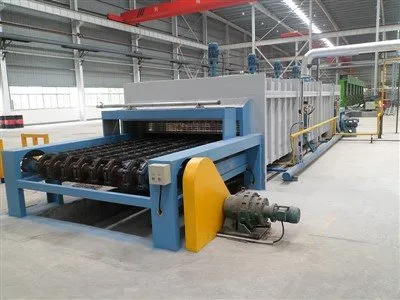
Hey there! I'm a supplier of hot air drying furnaces. Over the years, I've dealt with all sorts of customers, from small - scale workshops to large industrial plants. And while hot air drying furnaces are super useful in many ways, they're not without their drawbacks. Let's dive right into what those disadvantages are.
High Energy Consumption
One of the most significant cons of hot air drying furnaces is their hefty energy bill. These furnaces rely on heating elements to generate hot air, and that process can gobble up a ton of electricity or fuel. Whether it's natural gas, propane, or electricity, running a hot air drying furnace for extended periods can be a real drain on resources.
For example, in a big - time manufacturing setting where the furnace has to operate non - stop to dry large batches of products, the energy costs can skyrocket. It's not just about the immediate expense; it also has long - term implications for the environment. High energy consumption means more greenhouse gas emissions if the energy source is fossil - based. And let's face it, in today's world, where everyone's trying to be more eco - friendly, this is a major red flag.
Limited Drying Uniformity
Achieving consistent drying throughout the load can be a real challenge with hot air drying furnaces. The way the hot air circulates inside the furnace isn't always perfect. There are often areas where the air doesn't reach as well, or where it's not as hot as in other parts.
Imagine you're drying a batch of wooden furniture parts. Some pieces might end up over - dried, becoming brittle and prone to cracking, while others might still be damp. This lack of uniformity can lead to product quality issues. In industries where precision and quality are key, like the food or pharmaceutical sectors, this can be a deal - breaker. You don't want to sell a product that's unevenly dried; it just won't meet the standards your customers expect.
Slow Drying Speed
Compared to some other drying methods, hot air drying furnaces can be pretty slow. The heat transfer process from the hot air to the material being dried takes time. And if you're dealing with thick or dense materials, it can take even longer.
Let's say you're in the business of drying bricks. With a hot air drying furnace, you might have to wait several hours or even days to get the bricks to the right moisture level. In a fast - paced manufacturing environment, time is money. Slow drying speeds mean lower production rates, which can ultimately hurt your bottom line. You might have to invest in more furnaces to keep up with demand, and that's an added expense.
Maintenance Requirements
Hot air drying furnaces require regular maintenance to keep them running smoothly. The heating elements, fans, and other components can wear out over time. Dust and debris can also build up inside the furnace, affecting its performance.
You need to clean the filters regularly to ensure proper air circulation. The heating elements might need to be replaced periodically, and the fans might require lubrication. All of this maintenance takes time and money. You either have to hire a professional technician or train your own staff to do it. And if something goes wrong and you don't catch it in time, it could lead to a breakdown, halting production and causing even more losses.
Risk of Product Damage
The high temperatures used in hot air drying furnaces can pose a risk to some products. Certain materials are sensitive to heat and can be damaged by the intense drying process.
For instance, in the textile industry, some delicate fabrics can shrink, fade, or lose their shape when exposed to high - temperature hot air. In the electronics industry, components can be damaged if they're over - heated during the drying process. This risk of product damage means you have to be extra careful when using hot air drying furnaces, and it might limit the types of materials you can dry with them.
Initial Investment
Setting up a hot air drying furnace isn't cheap. You have to pay for the furnace itself, which can be quite expensive depending on its size and capacity. Then there are the installation costs, which include things like electrical or gas connections, ventilation systems, and safety features.
For small businesses or startups, this initial investment can be a huge barrier. You might have to take out a loan or look for investors just to get the furnace up and running. And even after you've made the investment, there's no guarantee that it will be the best solution for your drying needs.
Noise Pollution
Hot air drying furnaces can be pretty noisy. The fans and blowers that circulate the hot air generate a lot of sound. In a factory setting, this noise can be a nuisance for workers. Prolonged exposure to high - level noise can cause hearing problems and other health issues.
It can also be a problem if your factory is located near residential areas. You might face complaints from neighbors, and you could even run into legal issues. You might have to invest in noise - reducing equipment, which adds to the overall cost of operating the furnace.


Safety Concerns
There are several safety risks associated with hot air drying furnaces. The high temperatures inside the furnace can be a fire hazard. If there's a malfunction in the heating elements or a build - up of flammable materials, it could lead to a fire.
There's also the risk of burns for workers who come into contact with the hot surfaces of the furnace. And if the ventilation system isn't working properly, there could be a build - up of harmful gases or fumes inside the furnace. This can be extremely dangerous for anyone in the vicinity.
Despite these disadvantages, hot air drying furnaces still have their place in many industries. They're reliable in many cases and can handle a wide range of materials. If you're looking for alternatives, you might want to check out Trolley Heating Furnace, Spitfire Furnace, or Forging Furnace. These might offer different features and benefits that could be a better fit for your specific needs.
If you're still considering a hot air drying furnace or want to discuss how to mitigate these disadvantages, don't hesitate to reach out. We can have a detailed chat about your requirements and see if we can come up with a solution that works for you.
References
- "Industrial Drying Technology" by Arun S. Mujumdar
- "Heat Transfer in Drying Processes" by Krzysztof Pawłowski