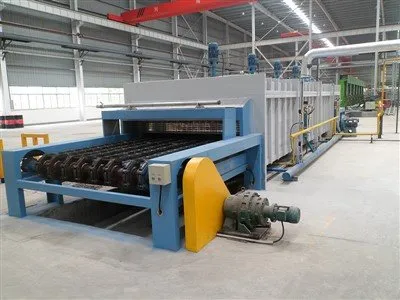
Hey there! As a supplier of Hot Air Drying Furnaces, I've got a ton of knowledge about the different heat sources available for these nifty machines. In this blog, I'm gonna break down the various heat sources, their pros and cons, and how they can impact your drying process.

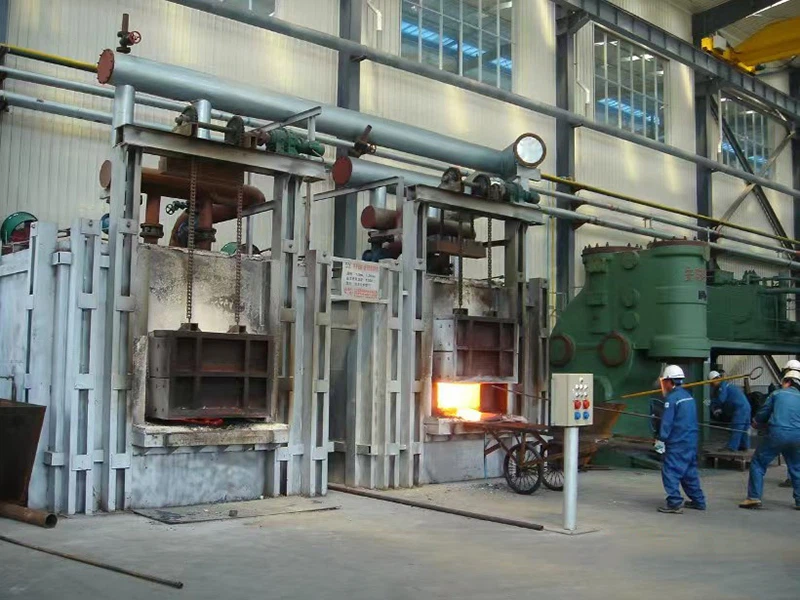
Gas Burners
Gas burners are one of the most common heat sources for hot air drying furnaces. They're popular because they're relatively inexpensive and can provide a high amount of heat quickly. Natural gas and propane are the two main types of gas used in these burners.
Natural gas is a widely available and cost - effective option. It burns cleanly, which means less pollution and fewer maintenance issues for your furnace. Propane, on the other hand, is more portable and can be a great choice if you don't have access to a natural gas line. It's also known for providing a very consistent flame, which is crucial for maintaining a stable temperature in the drying process.
However, gas burners do have some drawbacks. They require a proper ventilation system to ensure that the exhaust gases are safely removed. There's also a small risk of gas leaks, which can be dangerous if not detected and fixed promptly.
Electric Heaters
Electric heaters are another popular choice for hot air drying furnaces. They're easy to install and control, and they don't produce any emissions. This makes them a great option for environments where air quality is a concern, like in food processing plants or clean rooms.
One of the biggest advantages of electric heaters is their precision. You can easily adjust the temperature to meet the specific requirements of your drying process. They also have a long lifespan and require very little maintenance.
But electric heaters can be more expensive to operate than gas burners, especially in areas where electricity rates are high. They also take a bit longer to heat up compared to gas burners, which can slow down your production process.
Oil Burners
Oil burners are less common than gas or electric heaters, but they still have their place in certain industries. They use fuel oil, such as diesel or heating oil, to generate heat. Oil burners can provide a large amount of heat and are often used in industrial settings where high - temperature drying is required.
One of the benefits of oil burners is their reliability. They can operate in a wide range of temperatures and conditions, and they're not affected by power outages like electric heaters. However, oil burners require regular maintenance to keep them running efficiently. They also produce exhaust emissions, so proper ventilation is necessary.
Biomass Burners
Biomass burners are a more sustainable option for hot air drying furnaces. They use organic materials, such as wood chips, sawdust, or agricultural waste, as fuel. Biomass is a renewable resource, which means it's better for the environment compared to fossil fuels.
Biomass burners can be a cost - effective solution, especially if you have access to a local supply of biomass materials. They also help to reduce waste by using materials that would otherwise be discarded. However, biomass burners require a larger storage space for the fuel, and they may need more frequent cleaning to prevent the buildup of ash.
Solar Energy
Solar energy is an emerging heat source for hot air drying furnaces. It's a clean and renewable energy source that can significantly reduce your operating costs in the long run. Solar collectors can be used to heat air, which is then circulated through the drying furnace.
The main advantage of solar energy is its environmental friendliness. It doesn't produce any emissions or pollutants, and it can help you meet your sustainability goals. However, solar energy is dependent on sunlight, which means it may not be a reliable option in areas with limited sunlight or during cloudy days. You may also need to invest in a backup heat source to ensure continuous operation.
Heat Pumps
Heat pumps are a relatively new technology in the world of hot air drying furnaces. They work by transferring heat from one place to another, rather than generating heat directly. Heat pumps can be very energy - efficient, as they can move more heat than the amount of energy they consume.
They're suitable for a wide range of drying applications and can operate at different temperatures. Heat pumps also have a long lifespan and require minimal maintenance. However, they can be more expensive to install compared to other heat sources, and their performance can be affected by the ambient temperature.
Choosing the Right Heat Source
When choosing a heat source for your hot air drying furnace, there are several factors you need to consider. First, think about your budget. Gas burners and biomass burners are generally more cost - effective to operate, while electric heaters and heat pumps may have a higher upfront cost but can save you money in the long run.
Next, consider the specific requirements of your drying process. If you need to maintain a very precise temperature, electric heaters or heat pumps may be the best choice. If you're dealing with large - scale industrial drying, gas or oil burners may be more suitable.
The location of your furnace also matters. If you're in an area with strict environmental regulations, you may want to choose a clean - burning heat source like electric heaters or solar energy. And if you have limited space, you may need to opt for a more compact heat source.
As a supplier of Hot Air Drying Furnace, I can help you evaluate your options and choose the right heat source for your needs. We also offer a range of other mechanical equipment, such as Forging Furnace and Trolley Heating Furnace.
If you're interested in learning more about our products or have any questions about the heat sources for hot air drying furnaces, don't hesitate to reach out. We're here to help you make the best decision for your business and ensure that your drying process runs smoothly and efficiently.
References
- "Industrial Drying Technology" by Mujumdar, A. S.
- "Handbook of Heating, Ventilation, and Air Conditioning" by McQuiston, F. C., Parker, J. D., & Spitler, J. D.
- "Renewable Energy Systems and Applications" by Twidell, J., & Weir, T.