How to use a slag skimmer in a melting furnace?
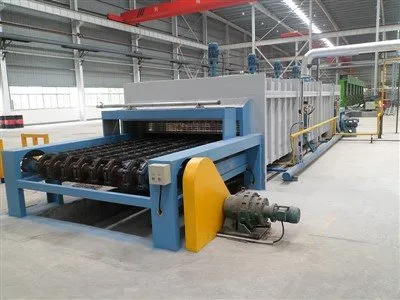
A melting furnace is an essential piece of equipment in various industries, such as metalworking, foundry, and glass production. It is used to heat and melt raw materials to a liquid state for further processing. Within the melting process, slag - a by - product composed of impurities, oxides, and other non - metallic substances - forms on the surface of the molten material. A slag skimmer plays a crucial role in removing this slag, which helps maintain the quality of the molten metal or other materials. As a Melting Furnace Melting Furnace supplier, we understand the importance of using slag skimmers effectively. In this blog, we will guide you through the process of using a slag skimmer in a melting furnace.
Pre - operation Preparation
Before using a slag skimmer, it is essential to conduct a series of pre - operation checks and preparations. First, ensure the melting furnace is in proper working condition. Check the temperature of the molten material. The ideal temperature for slag removal depends on the type of material being melted. For example, in the case of iron melting, the temperature might typically be around 1400 - 1600 °C. If the temperature is too low, the slag may become too viscous to be skimmed effectively.
Inspect the slag skimmer itself. Make sure it is made of a suitable material that can withstand the high temperatures of the molten material and the corrosive nature of the slag. Materials like high - grade steel or refractory alloys are commonly used for slag skimmers. Check for any signs of damage, such as cracks or excessive wear. A damaged slag skimmer may break during use, which can contaminate the molten material and pose a safety hazard.
Wear appropriate personal protective equipment (PPE). This includes heat - resistant gloves, a face shield, and a fire - resistant apron. The high - temperature environment around the melting furnace can cause severe burns, so proper protection is crucial.
Positioning the Slag Skimmer
Once the pre - operation preparations are complete, it's time to position the slag skimmer. Approach the melting furnace carefully and slowly. The slag skimmer should be inserted into the molten material at an appropriate angle. Generally, an angle of about 30 - 45 degrees is recommended. This angle allows the skimmer to effectively scoop up the slag floating on the surface of the molten material.
Position the skimmer close to the edge of the furnace where the slag tends to accumulate. As the molten material is stirred or agitated during the melting process, the slag often migrates to the edges of the furnace due to the movement and density differences. By positioning the skimmer at the edge, you can maximize the amount of slag that can be removed in each scoop.
Skimming the Slag
Gently lower the slag skimmer into the molten material until it touches the surface of the slag layer. Be cautious not to plunge it too deeply into the molten material, as this can cause the molten metal or other material to splash out, which is extremely dangerous.
Once the skimmer is in contact with the slag, use a smooth and steady motion to scoop up the slag. Try to keep the skimmer level as much as possible to ensure an even collection of the slag. If the slag is thick or has clumped together, you may need to use a little more force to break it up and scoop it onto the skimmer.
As you scoop up the slag, lift the skimmer slowly out of the molten material. Make sure to hold it steadily to prevent the slag from spilling back into the furnace. Transfer the collected slag to a designated slag container. The slag container should be made of a heat - resistant material and placed at a safe distance from the melting furnace.
Multiple Skimming Cycles
In most cases, a single skimming operation is not sufficient to remove all the slag from the melting furnace. You may need to perform multiple skimming cycles. After each skimming cycle, take a moment to assess the amount of remaining slag on the surface of the molten material. If there is still a significant amount of slag, repeat the positioning and skimming process.
During the multiple skimming cycles, it's important to be aware of the changing conditions in the furnace. As the slag is removed, the composition and properties of the molten material may change slightly. This can affect the temperature distribution and the behavior of the remaining slag. Adjust your skimming technique accordingly.
Post - operation Maintenance
After you have completed skimming the slag, it's time to perform post - operation maintenance. First, clean the slag skimmer thoroughly. Use a wire brush or other suitable cleaning tools to remove any remaining slag from the skimmer. This helps prevent the build - up of slag on the skimmer, which can reduce its effectiveness over time.
Inspect the skimmer again for any signs of damage that may have occurred during the skimming process. If there is any damage, repair or replace the skimmer as necessary.
For the melting furnace, monitor its temperature and other operating parameters closely after the slag has been removed. This helps ensure that the furnace continues to operate smoothly and that the quality of the molten material remains stable.
Other Considerations and Related Furnaces
In addition to the basic operation of using a slag skimmer in a melting furnace, it's also worth considering other related types of furnaces. For example, a Hot Air Drying Furnace can be used to dry raw materials before they are fed into the melting furnace. This helps reduce the moisture content in the materials, which can improve the melting efficiency and reduce the formation of slag.
A Storing Heat Heating Furnace is another useful piece of equipment. It can store heat during off - peak hours and release it during the melting process, which helps save energy and reduce operating costs.

Contact for Purchase and Consultation
If you are in the market for a high - quality melting furnace or need more information on using slag skimmers effectively, we are here to help. Our team of experts has extensive experience in the field and can provide you with the right solutions tailored to your specific needs. Whether you are a small - scale workshop or a large - scale industrial enterprise, we have the products and services to meet your requirements. Reach out to us to start a discussion about your procurement needs.
References
- Smith, J. (2018). Metal Melting Technologies. Industrial Press.
- Brown, A. (2019). Furnace Operations and Maintenance Handbook. Wiley.
- Chen, L. (2020). Advances in Slag Management in Melting Processes. Elsevier.