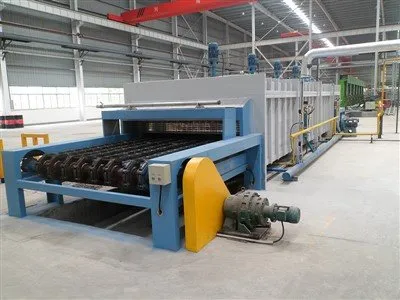
Hey there! As a forging furnace supplier, I've seen firsthand how important it is to know how to operate a batch-type forging furnace properly. In this blog, I'll share some tips and tricks to help you get the most out of your furnace.
Understanding the Basics
First things first, let's talk about what a batch-type forging furnace is. Unlike continuous furnaces that run non-stop, batch-type furnaces heat materials in batches. This means you load a certain amount of material into the furnace, heat it up, and then remove it once it reaches the desired temperature.


The main components of a batch-type forging furnace include the furnace chamber, heating elements, a temperature control system, and a loading/unloading mechanism. The furnace chamber is where the material is heated, and the heating elements provide the heat. The temperature control system ensures that the furnace maintains the right temperature, and the loading/unloading mechanism helps you get the material in and out of the furnace safely.
Preparing for Operation
Before you start operating the furnace, there are a few things you need to do. First, make sure the furnace is clean and free of any debris. Any dirt or debris in the furnace can affect the heating process and even damage the furnace. You can use a brush or a vacuum cleaner to clean the furnace chamber.
Next, check the heating elements to make sure they are in good condition. If any of the heating elements are damaged, they should be replaced before you start the furnace. You should also check the temperature control system to ensure it is working properly. You can do this by setting the temperature to a known value and checking if the furnace reaches and maintains that temperature.
Also, make sure you have the right safety equipment on hand. This includes heat-resistant gloves, goggles, and a fire extinguisher. Safety should always be your top priority when operating a forging furnace.
Loading the Furnace
Once you've prepared the furnace, it's time to load the material. When loading the material, make sure it is evenly distributed in the furnace chamber. Uneven loading can cause hot spots and cold spots in the furnace, which can affect the quality of the forging.
You should also make sure not to overfill the furnace. Overfilling can prevent proper air circulation in the furnace, which can lead to uneven heating. Follow the manufacturer's guidelines for the maximum loading capacity of your furnace.
Starting the Furnace
After loading the material, you can start the furnace. Turn on the power switch and set the desired temperature on the temperature control system. The furnace will start to heat up, and it may take some time for it to reach the set temperature.
While the furnace is heating up, keep an eye on the temperature gauge to make sure the temperature is rising steadily. If the temperature is not rising as expected, there may be a problem with the heating elements or the temperature control system.
Monitoring the Heating Process
Once the furnace reaches the set temperature, you need to monitor the heating process. The length of time the material needs to be heated depends on the type of material and the desired forging temperature. You can use a pyrometer to measure the temperature of the material directly.
During the heating process, make sure the temperature remains stable. Fluctuations in temperature can affect the quality of the forging. If the temperature starts to deviate from the set value, adjust the temperature control system accordingly.
Unloading the Furnace
Once the material has reached the desired temperature, it's time to unload the furnace. Use the loading/unloading mechanism to carefully remove the heated material from the furnace. Make sure you wear your heat-resistant gloves and goggles to protect yourself from the heat.
After unloading the material, you can start the next batch if needed. Remember to clean the furnace chamber again before loading the next batch to prevent any contamination.
Types of Batch-Type Forging Furnaces
There are several types of batch-type forging furnaces available in the market. For example, the Storing Heat Heating Furnace is designed to store heat efficiently, which can save energy and reduce operating costs. The Spitfire Furnace is known for its high heating speed and excellent temperature uniformity. And the Trolley Heating Furnace is very convenient for loading and unloading large and heavy materials.
Maintenance and Troubleshooting
Regular maintenance is essential to keep your batch-type forging furnace in good working condition. This includes cleaning the furnace, checking the heating elements and the temperature control system, and lubricating the moving parts if any.
If you encounter any problems with the furnace, such as the furnace not heating up or the temperature not being stable, don't panic. First, check the power supply to make sure the furnace is getting enough power. Then, check the heating elements and the temperature control system for any signs of damage. If you can't figure out the problem, it's best to contact a professional technician.
Conclusion
Operating a batch-type forging furnace requires some knowledge and skills, but with the right preparation and attention to detail, you can get great results. Remember to follow the safety guidelines, monitor the heating process, and perform regular maintenance on the furnace.
If you're in the market for a new forging furnace or need to replace an old one, we're here to help. As a forging furnace supplier, we offer a wide range of high-quality batch-type forging furnaces to meet your specific needs. Contact us for more information and let's start a great business relationship!
References
- "Forging Furnace Operation Manual" - Generic industry manual
- "Advanced Forging Techniques" - A technical book on forging processes