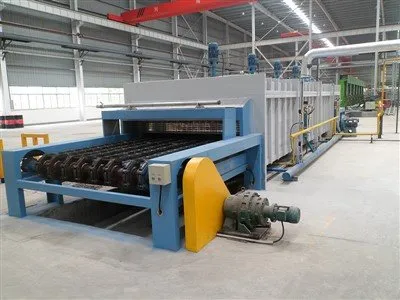
Hey there! As a supplier of mechanical equipments, I've seen firsthand how crucial it is to install these machines correctly. A proper installation not only ensures the equipment works at its best but also extends its lifespan and keeps everyone safe. In this blog, I'll share some tips on how to install mechanical equipments correctly.


Preparation Before Installation
Before you even start unpacking the equipment, there are a few things you need to do. First off, find a suitable location. The area should be level, clean, and have enough space for the equipment and any associated machinery. You also need to make sure there's proper ventilation, especially for equipment that generates heat or fumes, like the Hot Air Drying Furnace.
Next, gather all the necessary tools. This might include wrenches, screwdrivers, and measuring tapes. Having the right tools on hand will make the installation process go much smoother. It's also a good idea to read through the installation manual thoroughly. The manual will have specific instructions for your equipment, so don't skip this step!
Unpacking and Inspection
Once you've got your location and tools ready, it's time to unpack the equipment. Be careful when removing the packaging to avoid damaging the machine. As you unpack, inspect all the parts for any signs of damage or missing pieces. If you find anything wrong, contact us right away. We want to make sure you get a fully functional piece of equipment.
Assembly
Now comes the fun part - assembling the equipment. Follow the instructions in the manual step by step. It might seem like a hassle, but taking your time and doing it right will save you a lot of headaches later. Some equipment, like the Forging Furnace, might have complex components that need to be installed in a specific order.
When assembling, make sure all the parts are properly aligned and tightened. Loose parts can cause the equipment to malfunction or even pose a safety risk. Use the tools you gathered earlier to ensure everything is secure. If you're unsure about any step, don't hesitate to give us a call. We're here to help!
Electrical and Plumbing Connections
If your equipment requires electrical or plumbing connections, this is a critical step. Always follow local electrical and plumbing codes. If you're not experienced in these areas, it's best to hire a professional. Improper electrical or plumbing connections can lead to serious problems, including electrical shocks, fires, or water damage.
For electrical connections, make sure the power is turned off before you start. Double-check the voltage requirements of the equipment and ensure the wiring is compatible. For plumbing connections, check for leaks and make sure all the pipes are properly sealed.
Testing and Calibration
Once the equipment is assembled and all the connections are made, it's time to test it. Start by running a few basic tests to make sure everything is working as it should. Check for any unusual noises, vibrations, or leaks. If you notice anything abnormal, stop the equipment immediately and investigate the problem.
Calibration is also an important part of the installation process. Many mechanical equipments need to be calibrated to ensure accurate operation. Follow the calibration instructions in the manual carefully. This might involve adjusting settings, using calibration tools, or running calibration programs.
Safety Measures
Throughout the installation process, safety should be your top priority. Wear appropriate safety gear, such as gloves, safety glasses, and hard hats. Make sure the work area is well-lit and free of hazards. If you're working with heavy equipment, use proper lifting techniques or equipment to avoid injuries.
Also, make sure to train anyone who will be using the equipment on proper safety procedures. This includes how to operate the equipment safely, what to do in case of an emergency, and how to maintain the equipment.
Maintenance and Support
After the equipment is installed and running smoothly, it's important to keep up with regular maintenance. Follow the maintenance schedule in the manual to ensure the equipment stays in good condition. This might include tasks like lubricating moving parts, cleaning filters, and checking for wear and tear.
If you ever have any questions or run into problems with the equipment, don't hesitate to contact us. We offer support and maintenance services to keep your equipment running at its best. We want to make sure you're satisfied with your purchase and that your equipment serves you well for years to come.
Conclusion
Installing mechanical equipments correctly is a process that requires careful planning, attention to detail, and a commitment to safety. By following these tips, you can ensure that your equipment is installed properly and will operate efficiently for a long time.
If you're in the market for mechanical equipments, we're here to help. We offer a wide range of high-quality products, including the Hot Air Drying Furnace, Forging Furnace, and Trolley Heating Furnace. Contact us today to discuss your needs and get a quote. We look forward to working with you!
References
- Manufacturer's installation manuals for mechanical equipments.
- Local electrical and plumbing codes.
- Industry best practices for mechanical equipment installation.