Hey there! I'm a supplier of mechanical equipments, and I've been in this industry for quite a while. Over the years, I've seen firsthand how important it is for mechanical equipment to operate with flexibility. In this blog, I'm gonna share some tips on how to improve the flexibility of mechanical equipment operation.
1. Regular Maintenance and Inspection
First things first, regular maintenance and inspection are crucial. Just like a car needs regular tune - ups, mechanical equipment also requires proper care. When we neglect maintenance, small issues can turn into big problems, which can limit the equipment's flexibility.
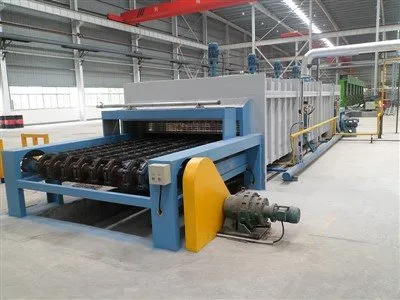
For example, in our Trolley Heating Furnace, the moving parts need to be lubricated regularly. If the lubrication is not done on time, the friction between the parts will increase. This can cause the trolley to move less smoothly, reducing its operational flexibility.
We should also conduct routine inspections of the electrical systems, control panels, and sensors. Faulty sensors can give incorrect readings, leading to improper operation of the equipment. By regularly checking these components, we can catch potential issues early and fix them before they cause major disruptions.
2. Upgrade Control Systems
Another key aspect is upgrading the control systems. Old - fashioned control systems may not be able to adapt to different operating conditions as effectively as modern ones.
Modern control systems often come with programmable logic controllers (PLCs) that can be easily reprogrammed. For instance, our Melting Furnace can be set to different melting rates and temperatures according to the specific requirements of different materials. With an upgraded control system, operators can make these adjustments quickly and accurately, improving the flexibility of the furnace's operation.
Moreover, some advanced control systems are equipped with artificial intelligence and machine learning algorithms. These can analyze the equipment's operating data in real - time and make automatic adjustments to optimize performance. This means that the equipment can adapt to changes in the input materials, environmental conditions, and production demands without much human intervention.
3. Training for Operators
The skills and knowledge of operators play a huge role in the flexibility of equipment operation. If operators are not well - trained, they may not be able to fully utilize the equipment's capabilities.

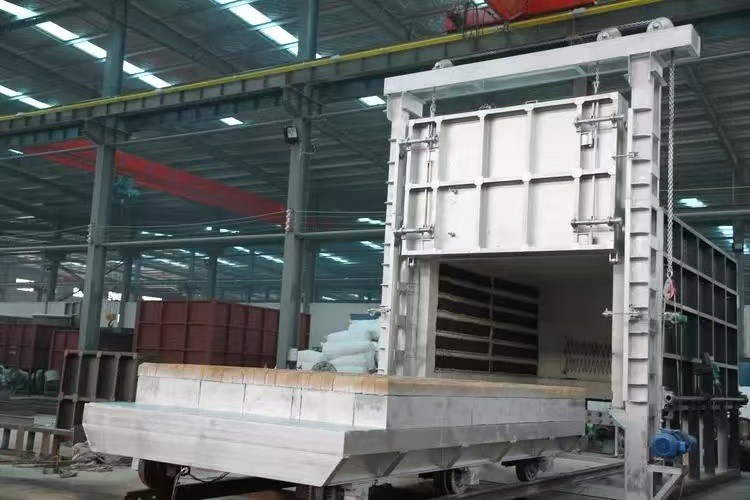
We should provide comprehensive training programs for our operators. These programs should cover not only the basic operation of the equipment but also troubleshooting and advanced features. For example, when operating our Storing Heat Heating Furnace, operators need to know how to adjust the heat - storing parameters based on the production schedule. A well - trained operator can make these adjustments on the fly, ensuring that the furnace operates flexibly to meet different production needs.
In addition, we can organize regular refresher courses to keep operators updated with the latest technologies and best practices. This way, they can continuously improve their skills and be more confident in handling various situations during equipment operation.
4. Modular Design
Modular design is a great way to enhance the flexibility of mechanical equipment. Instead of having a one - piece, monolithic design, we can break the equipment into smaller, independent modules.
Each module can perform a specific function, and these modules can be easily replaced or added. For example, in some of our equipment, if a particular module fails, we can simply swap it out with a new one without having to shut down the entire system for a long time. This reduces downtime and allows the equipment to resume operation quickly.
Moreover, modular design also makes it easier to upgrade the equipment. We can add new modules with advanced features to improve the overall performance and flexibility of the equipment. For instance, we can add a new sensor module to an existing piece of equipment to enhance its monitoring capabilities.
5. Adaptability to Different Inputs
Mechanical equipment should be designed to be adaptable to different types of inputs. In many industrial processes, the raw materials can vary in terms of quality, size, and composition.
Our equipment needs to be able to handle these variations without significant loss of performance. For example, in a material - processing machine, it should be able to adjust its processing parameters automatically based on the characteristics of the input material. This can be achieved through advanced sensors and control algorithms.
If the equipment can't adapt to different inputs, it may require frequent manual adjustments or even modifications, which can be time - consuming and costly. By ensuring adaptability, we can make the equipment more flexible and efficient in different production scenarios.
6. Integration with Other Systems
In today's industrial environment, mechanical equipment rarely operates in isolation. It needs to be integrated with other systems such as production management systems, quality control systems, and inventory management systems.
When our equipment is well - integrated with these systems, it can receive real - time information and instructions. For example, it can adjust its production rate based on the inventory levels or the quality requirements from the quality control system. This integration allows for a more coordinated and flexible production process.
We can use technologies like the Internet of Things (IoT) to achieve seamless integration. By connecting the equipment to a network, it can communicate with other systems and share data, enabling better decision - making and more flexible operation.
Conclusion
Improving the flexibility of mechanical equipment operation is essential for meeting the ever - changing demands of the industrial market. By implementing regular maintenance and inspection, upgrading control systems, providing training for operators, using modular design, ensuring adaptability to different inputs, and integrating with other systems, we can make our equipment more flexible, efficient, and reliable.
If you're interested in our mechanical equipments or have any questions about improving equipment flexibility, feel free to reach out to us. We're always happy to have a chat and discuss how we can help you optimize your production processes.
References
- [1] Smith, J. (2020). Modern Control Systems for Industrial Equipment. Industrial Press.
- [2] Johnson, A. (2019). Maintenance Best Practices for Mechanical Equipment. Manufacturing Journal.
- [3] Brown, C. (2021). Modular Design in Industrial Machinery. Engineering Review.