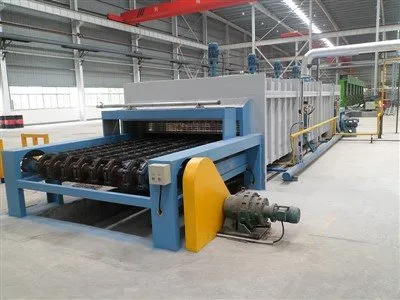
As a forging furnace supplier, I understand the importance of energy efficiency in industrial operations. Forging furnaces are essential in the metalworking industry, but they are also significant energy consumers. Improving the energy efficiency of a forging furnace not only reduces operational costs but also contributes to environmental sustainability. In this blog, I will share some practical strategies to enhance the energy efficiency of forging furnaces.
1. Regular Maintenance and Inspection
Regular maintenance is the cornerstone of maintaining high energy efficiency in forging furnaces. Over time, wear and tear can lead to leaks, inefficient combustion, and other issues that waste energy. Here are some key maintenance tasks:
-
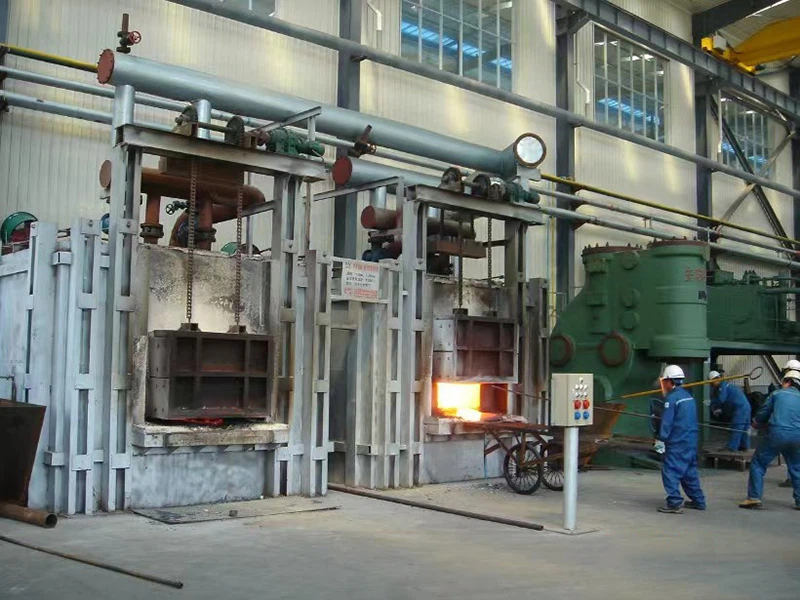
Inspect and Repair Leaks: Check the furnace for any air or gas leaks. Even small leaks can result in significant energy losses. Seal any cracks or gaps in the furnace walls, doors, and pipes. A well - sealed furnace ensures that heat is contained within the system, reducing the need for additional energy to maintain the desired temperature.

-
Clean and Tune Burners: Dirty or misaligned burners can cause incomplete combustion, which wastes fuel. Clean the burners regularly to remove any carbon deposits or debris. Also, ensure that they are properly tuned to achieve optimal combustion efficiency. This may involve adjusting the air - fuel ratio to ensure that the right amount of air is mixed with the fuel for complete burning.
-
Check Insulation: The insulation of the forging furnace plays a crucial role in preventing heat loss. Inspect the insulation regularly for signs of damage or degradation. Replace any worn - out insulation to maintain the thermal efficiency of the furnace. Good insulation not only saves energy but also improves the working environment by reducing heat radiation outside the furnace.
2. Upgrade to High - Efficiency Burners
Burners are the heart of a forging furnace, and upgrading to high - efficiency burners can significantly improve energy efficiency. Modern high - efficiency burners are designed to provide better combustion control, resulting in more complete burning of fuel and less waste.
- Low - NOx Burners: These burners are designed to reduce nitrogen oxide (NOx) emissions while improving combustion efficiency. They use advanced combustion techniques, such as staged combustion and flue gas recirculation, to achieve a more uniform and efficient burning process. By reducing NOx emissions, low - NOx burners not only meet environmental regulations but also save energy by optimizing the combustion process.
- Oxygen - Enriched Combustion Burners: Oxygen - enriched combustion involves adding extra oxygen to the combustion air, which increases the flame temperature and combustion efficiency. This allows for faster heating of the metal in the furnace, reducing the overall energy consumption. Oxygen - enriched combustion burners can be particularly effective in high - temperature forging processes.
3. Implement Heat Recovery Systems
Heat recovery systems are an effective way to capture and reuse the waste heat generated by the forging furnace. This waste heat can be used for various purposes, such as preheating the combustion air, heating water, or powering other industrial processes.
- Air Preheating: One of the most common heat recovery methods is to preheat the combustion air using the waste heat from the furnace exhaust. By preheating the air, less energy is required to heat it to the combustion temperature, resulting in fuel savings. Air preheaters can be installed in the exhaust duct of the furnace to transfer heat from the hot exhaust gases to the incoming combustion air.
- Waste Heat Boilers: Waste heat boilers can be used to generate steam or hot water using the waste heat from the forging furnace. The steam or hot water can then be used for other industrial processes, such as heating, cleaning, or power generation. This not only saves energy but also reduces the need for additional boilers or heating systems.
4. Optimize Furnace Operation
Proper furnace operation is essential for achieving high energy efficiency. By optimizing the operating parameters and processes, you can reduce energy consumption without sacrificing the quality of the forging.
- Load Management: Ensure that the furnace is loaded with the appropriate amount of metal. Overloading the furnace can lead to longer heating times and increased energy consumption, while underloading can result in inefficient use of energy. Develop a loading schedule that maximizes the use of the furnace capacity while maintaining the desired heating rate.
- Temperature Control: Use advanced temperature control systems to maintain the optimal temperature in the furnace. Precise temperature control ensures that the metal is heated to the right temperature without overheating, which can waste energy. Modern temperature control systems use sensors and controllers to adjust the fuel supply and burner operation based on the actual temperature in the furnace.
- Cycle Time Optimization: Analyze the forging process to identify opportunities to reduce the cycle time. A shorter cycle time means less time the furnace needs to be operating at high temperatures, resulting in energy savings. This may involve optimizing the heating and cooling rates, as well as the transfer time between different stages of the forging process.
5. Use Advanced Furnace Designs
Advancements in furnace design have led to the development of more energy - efficient forging furnaces. When considering a new furnace or an upgrade, look for designs that incorporate the latest energy - saving features.
- Continuous Forging Furnaces: Continuous forging furnaces are designed to operate continuously, with a steady flow of metal through the furnace. This eliminates the need for repeated heating and cooling cycles, which can waste energy. Continuous furnaces also allow for better temperature control and more efficient use of fuel.
- Induction Forging Furnaces: Induction forging furnaces use electromagnetic induction to heat the metal. They are highly efficient because they directly heat the metal without the need for a combustion process. Induction furnaces can heat the metal quickly and precisely, reducing energy consumption and improving the quality of the forging.
Conclusion
Improving the energy efficiency of a forging furnace is a multi - faceted approach that involves regular maintenance, upgrading equipment, implementing heat recovery systems, optimizing operation, and using advanced furnace designs. By implementing these strategies, you can significantly reduce the energy consumption of your forging furnace, lower operational costs, and contribute to a more sustainable future.
If you are interested in learning more about energy - efficient forging furnaces or are looking to upgrade your existing equipment, please feel free to contact us for a consultation. We are a leading Forging Furnace supplier with a wide range of high - quality and energy - efficient products. We also offer Hot Air Drying Furnace and Melting Furnace solutions to meet your diverse industrial needs.
References
- ASM Handbook Committee. (2008). ASM Handbook, Volume 14A: Metalworking: Forging. ASM International.
- Boyer, H. E. (Ed.). (1985). Metals Handbook: Volume 4: Heat Treating. ASM International.
- Kohl, A. L., & Nielsen, R. B. (1997). Gas Purification. Gulf Publishing Company.