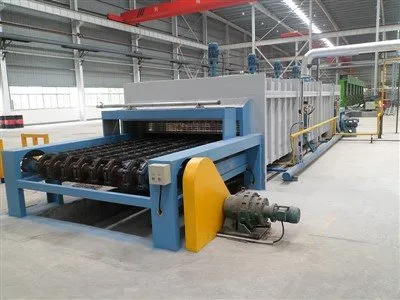
Importing a foreign roller type heating furnace can be a game - changer for your business, especially if you're in the steel pipe manufacturing or heat - treatment industry. As a Roller Type Heating Furnace supplier, I've seen firsthand how these furnaces can enhance production efficiency and product quality. In this blog, I'll share some insights on how to go about importing one.
1. Know Your Requirements
Before you even start looking for a foreign supplier, you need to have a clear understanding of your requirements. Consider factors like the size of the steel pipes you'll be heating, the required heating temperature, and the production capacity. For example, if you're dealing with large - diameter seamless steel pipes, you'll need a furnace with a bigger heating chamber and more powerful heating elements.
If you're interested in other related equipment, like the Seamless Steel Pipe Walking Beam Heating Furnace, it's also a good idea to evaluate if it could complement your operations. The walking beam furnace can be great for handling large - scale and heavy - duty heating tasks.
2. Research Suppliers
Once you've defined your needs, it's time to start researching foreign suppliers. You can use online platforms, industry trade shows, and business directories to find potential suppliers. Look for suppliers with a good reputation, positive customer reviews, and a proven track record in manufacturing roller type heating furnaces.
Check if they have experience in exporting to your country. Some suppliers might have better knowledge of international shipping regulations, customs procedures, and after - sales service in your region. You can also ask for references from other businesses that have imported similar equipment from them.
3. Product Quality and Standards
Quality is of utmost importance when it comes to importing a heating furnace. You want a furnace that is built to last and can perform consistently. Inquire about the materials used in the construction of the furnace, the manufacturing processes, and the quality control measures in place.
Make sure the furnace meets international and local standards. For example, in the steel pipe industry, there are standards related to safety, energy efficiency, and heating performance. A reliable supplier will be able to provide documentation to prove that their Roller Type Heating Furnace meets these standards.
4. Pricing and Negotiation
Pricing is always a key factor. Get quotes from multiple suppliers and compare them. However, don't just go for the cheapest option. A low - priced furnace might come with compromises in quality or after - sales service.
Once you've shortlisted a few suppliers, start negotiating. You can try to get a better price, discounts for bulk orders, or additional services like installation and training. Be clear about what you expect in terms of the price and what is included in the package. For instance, does the price cover shipping, customs duties, and installation?
5. Shipping and Logistics
Shipping a large and heavy roller type heating furnace from a foreign country can be complex. Work with your supplier to understand their shipping options. They might have partnerships with freight forwarders who can handle the transportation, insurance, and customs clearance.
You need to be aware of the shipping time, which can vary depending on the origin of the furnace and the shipping method. For example, sea freight is usually cheaper but takes longer, while air freight is faster but more expensive. Make sure you have a plan in place for receiving the furnace at your facility and getting it to the installation site.
6. Installation and Training
A new roller type heating furnace needs to be installed correctly to ensure optimal performance. Ask your supplier if they offer installation services. Some suppliers have a team of technicians who can come to your site and install the furnace for you.


Training is also crucial. Your operators need to know how to operate the furnace safely and efficiently. The supplier should provide training materials, either in - person or online, to teach your staff about the furnace's features, controls, maintenance, and troubleshooting.
7. After - Sales Service
Good after - sales service is essential. You want a supplier who will be there to help you if you encounter any problems with the furnace after it's installed. Inquire about their warranty policy, response time for service requests, and availability of spare parts.
If you need to expand your operations in the future and require additional equipment, like a Steel Pipe Automatic Feeding Machine, a supplier with good after - sales service will be more likely to support you.
Conclusion
Importing a foreign roller type heating furnace can be a complex but rewarding process. By following these steps, you can increase your chances of getting a high - quality furnace that meets your business needs. If you're interested in learning more about our roller type heating furnaces or have any questions about the import process, feel free to reach out. We're here to help you make the right decision for your business.
References
- General knowledge and experience in the steel pipe heat - treatment equipment industry.
- Industry reports on importing industrial equipment.