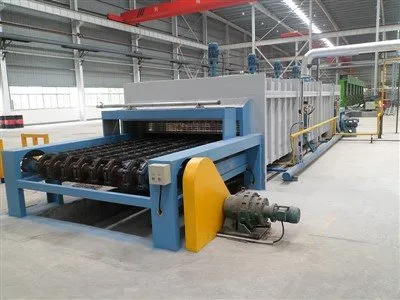
Designing a multi - zone heating system with a storing heat heating furnace is a complex yet rewarding task. As a supplier of storing heat heating furnaces, I've had the privilege of working on numerous projects that involve creating efficient and effective multi - zone heating solutions. In this blog, I'll share some key insights and steps on how to design such a system.
Understanding the Basics of a Storing Heat Heating Furnace
A storing heat heating furnace is a remarkable piece of equipment. It stores thermal energy during off - peak hours and releases it when needed. This not only helps in reducing energy costs but also provides a more stable heat source. Our furnaces are designed with high - quality materials to ensure maximum heat storage capacity and long - term durability.
One of the main advantages of using a storing heat heating furnace in a multi - zone system is its ability to distribute heat evenly. Different zones in a building may have different heating requirements, and the furnace can be adjusted to meet these needs precisely.
Assessing the Heating Requirements of Different Zones
The first step in designing a multi - zone heating system is to assess the heating requirements of each zone. This involves considering factors such as the size of the zone, the insulation level, the number of occupants, and the intended use of the space.
For example, a large industrial warehouse may require a high - intensity heating system due to its large volume and high heat loss. On the other hand, a small office room with good insulation may need a relatively low - power heating source. By conducting a detailed heat load calculation for each zone, we can determine the appropriate heating capacity required.
We use advanced software tools to perform these calculations accurately. These tools take into account factors like outdoor temperature, solar radiation, and air infiltration. Once we have a clear understanding of the heat load for each zone, we can proceed to the next step of the design process.
Selecting the Right Storing Heat Heating Furnace
Based on the heating requirements of the different zones, we need to select the right storing heat heating furnace. Our product range includes various models with different capacities and features.
When choosing a furnace, it's important to consider the total heat output needed for all the zones combined. We also need to ensure that the furnace can be easily integrated with the multi - zone distribution system. For instance, some of our furnaces are equipped with advanced control systems that allow for precise temperature regulation in each zone.
It's worth noting that our furnaces are not only suitable for multi - zone heating in commercial buildings but also in residential properties. Whether you're looking to heat a large apartment complex or a single - family home, we have a furnace that can meet your needs.
Designing the Distribution System
The distribution system is a crucial part of the multi - zone heating system. It is responsible for delivering the heated air or water from the furnace to the different zones. There are two main types of distribution systems: forced - air and hydronic.
Forced - Air Distribution System
A forced - air system uses ducts to distribute heated air throughout the building. This system is relatively easy to install and can be used in both new and existing buildings. When designing a forced - air distribution system for a multi - zone setup, we need to ensure that each zone has its own set of dampers. These dampers can be adjusted to control the amount of air flowing into each zone.
Hydronic Distribution System
A hydronic system uses water to transfer heat. Pipes are used to circulate the heated water to radiators or baseboard heaters in each zone. Hydronic systems are known for their energy efficiency and quiet operation. When designing a hydronic multi - zone system, we need to consider factors such as pipe sizing, pump selection, and the installation of zone valves.
Incorporating Control Systems
Control systems play a vital role in a multi - zone heating system. They allow users to set different temperatures for each zone and ensure that the furnace operates efficiently. Our storing heat heating furnaces can be integrated with a variety of control systems, including programmable thermostats and smart home automation systems.
With a programmable thermostat, users can set different temperature schedules for each zone based on their daily routines. For example, the temperature in a living room can be set to a lower level during the day when no one is home and then increased in the evening. Smart home automation systems take this a step further by allowing users to control the heating system remotely using their smartphones or other devices.
Maintenance and Monitoring
Once the multi - zone heating system is installed, regular maintenance is essential to ensure its optimal performance. Our company provides comprehensive maintenance services to keep the storing heat heating furnace and the distribution system in top condition.
We also offer monitoring solutions that allow us to remotely monitor the performance of the system. This helps us detect any potential issues early and take proactive measures to prevent breakdowns. By regularly maintaining and monitoring the system, we can extend its lifespan and reduce energy consumption.
Related Furnace Products
If you're interested in other types of furnaces, we also offer a range of products such as the Forging Furnace, Spitfire Furnace, and Hot Air Drying Furnace. These furnaces are designed for specific industrial applications and are built to meet the highest standards of quality and performance.


Conclusion
Designing a multi - zone heating system with a storing heat heating furnace requires careful planning and consideration. By understanding the heating requirements of each zone, selecting the right furnace, designing an efficient distribution system, incorporating advanced control systems, and providing proper maintenance and monitoring, we can create a heating system that is both energy - efficient and comfortable.
If you're interested in learning more about our storing heat heating furnaces or need assistance in designing a multi - zone heating system, please don't hesitate to contact us. Our team of experts is ready to help you with your heating needs.
References
- ASHRAE Handbook - HVAC Systems and Equipment. American Society of Heating, Refrigerating and Air - Conditioning Engineers.
- Duffie, J. A., & Beckman, W. A. (2013). Solar Engineering of Thermal Processes. John Wiley & Sons.
- Stoecker, W. F., & Jones, J. W. (1982). Refrigeration and Air Conditioning. McGraw - Hill.