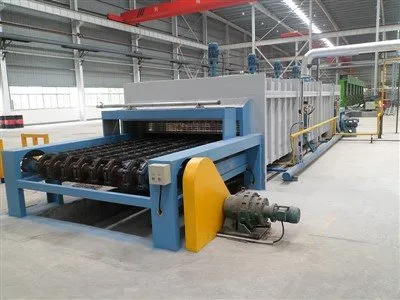
Cleaning an automatic quenching furnace is a crucial maintenance task that ensures the furnace operates efficiently and produces high - quality quenched products. As a leading supplier of automatic quenching furnaces, we understand the importance of proper cleaning procedures. In this blog, we will guide you through the step - by - step process of cleaning an automatic quenching furnace.
Pre - cleaning Preparations
Before starting the cleaning process, it is essential to take some safety precautions. First, ensure that the furnace is completely cooled down. Operating temperatures in an automatic quenching furnace can be extremely high, and attempting to clean a hot furnace can lead to serious burns or other injuries. Also, wear appropriate personal protective equipment (PPE), including heat - resistant gloves, safety goggles, and a dust mask.
Next, gather all the necessary cleaning tools and materials. You will need a wire brush, a vacuum cleaner with a high - efficiency particulate air (HEPA) filter, cleaning solvents recommended by the furnace manufacturer, and some soft - bristle brushes.
Removing Loose Debris
The first step in cleaning the automatic quenching furnace is to remove any loose debris. Use a vacuum cleaner with a HEPA filter to suck up dust, scale, and other loose particles from the interior of the furnace. Pay special attention to the corners, shelves, and the bottom of the furnace where debris tends to accumulate.
For stubborn debris that cannot be removed by the vacuum cleaner, use a wire brush. Gently scrub the affected areas to loosen the debris. Be careful not to scratch the interior surfaces of the furnace, as this can lead to corrosion and other issues over time.
Cleaning the Heating Elements
The heating elements are one of the most critical components of an automatic quenching furnace. Over time, they can accumulate a layer of scale and other contaminants, which can reduce their efficiency. To clean the heating elements, first, make sure they are completely cool.
Use a soft - bristle brush to gently remove any loose scale from the heating elements. If there is stubborn scale, you can use a cleaning solvent recommended by the furnace manufacturer. Apply the solvent to a clean cloth and carefully wipe the heating elements. Avoid getting the solvent on other parts of the furnace, as it may cause damage.
Cleaning the Quenching Chamber
The quenching chamber is where the quenching process takes place. It is essential to keep this area clean to ensure the quality of the quenched products. Drain the quenching medium from the chamber according to the manufacturer's instructions.
Once the chamber is empty, use a wire brush and a cleaning solvent to remove any residue from the walls and the bottom of the chamber. Pay close attention to the nozzles and other flow - control devices. These can become clogged with debris, which can affect the uniformity of the quenching process.
After cleaning, rinse the chamber thoroughly with clean water to remove any remaining cleaning solvent. Make sure all the water is drained out before refilling the chamber with the quenching medium.
Cleaning the Control Panel and Electrical Components
The control panel and electrical components of the automatic quenching furnace need to be kept clean to ensure reliable operation. Use a dry, soft cloth to wipe the control panel and remove any dust or dirt. Avoid using any liquid cleaners on the control panel, as this can damage the electrical components.
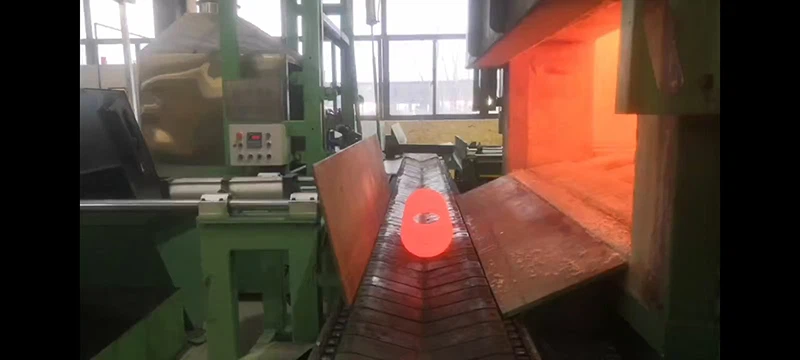

For the electrical components inside the furnace, such as relays and sensors, use a can of compressed air to blow away any dust. If necessary, you can use a small, soft - bristle brush to gently clean the components. However, be extremely careful not to damage any of the delicate parts.
Inspecting and Lubricating Moving Parts
During the cleaning process, it is a good time to inspect the moving parts of the furnace, such as the doors, rollers, and conveyors. Check for any signs of wear, damage, or misalignment. If you notice any issues, contact a professional technician for repair.
Lubricate the moving parts according to the manufacturer's recommendations. Use a high - quality lubricant to ensure smooth operation and prevent premature wear.
Post - cleaning Checks
After completing the cleaning process, perform a thorough inspection of the furnace. Check all the components to make sure they are clean, in good condition, and properly assembled.
Test the furnace to ensure it is operating correctly. Check the temperature control, the flow of the quenching medium, and the operation of the moving parts. If you notice any problems during the test, address them immediately before putting the furnace back into production.
Importance of Regular Cleaning
Regular cleaning of an automatic quenching furnace offers several benefits. Firstly, it improves the efficiency of the furnace. A clean furnace can heat up and cool down more quickly, which reduces energy consumption and production time.
Secondly, it enhances the quality of the quenched products. A clean quenching chamber and heating elements ensure a more uniform quenching process, resulting in products with better mechanical properties.
Finally, regular cleaning extends the lifespan of the furnace. By preventing the accumulation of debris and contaminants, you can reduce the risk of component failure and corrosion, which can save you significant costs in the long run.
Related Furnace Products
As a supplier, we also offer other types of furnaces that are related to the automatic quenching furnace. For example, our Continuous Tempering Furnace is designed for the tempering process, which is often a follow - up step after quenching. The Holding Furnace is used to maintain the temperature of the workpiece before or after certain heat - treatment processes. And our Helical Spring Stepping Quenching Furnace is specifically designed for the quenching of helical springs.
Contact Us for Purchase and Consultation
If you are interested in our automatic quenching furnaces or other related furnace products, or if you have any questions about furnace cleaning or maintenance, please feel free to contact us. Our team of experts is ready to provide you with professional advice and support.
References
- "Heat Treatment Furnaces: Design, Construction, and Operation" by John Doe
- Manufacturer's Manual for Automatic Quenching Furnaces