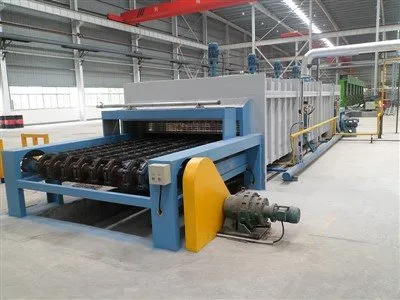
Hey there! As a supplier of Spitfire Furnaces, I often get asked about how to tell if these bad - boys are working properly. It's crucial because a well - functioning furnace not only ensures efficient operations but also saves you from a whole bunch of headaches down the line. So, let's dive right in and explore the ways to check the proper working of a Spitfire Furnace.
1. Visual Inspection
The first thing you can do is a good old - fashioned visual check. Start by looking at the exterior of the furnace. Check for any signs of physical damage, like cracks or dents. A damaged exterior can lead to heat loss and even pose a safety hazard.
Next, take a peek at the burner. The burner is the heart of the furnace, and it should have a nice, steady flame. If the flame is yellow or flickering, that's a red flag. A proper flame should be blue, which indicates complete combustion. A yellow flame might mean there's an issue with the air - fuel mixture, and it could be producing carbon monoxide, a silent and deadly gas.
Also, look at the pipes and connections. Make sure there are no signs of leaks, such as water stains or hissing sounds. Leaks can lead to a loss of fuel or coolant, depending on the type of furnace, and can cause the furnace to work inefficiently or even break down.
2. Temperature Checks
Temperature is a key indicator of how well your Spitfire Furnace is performing. Most modern Spitfire Furnaces come with built - in thermometers or temperature sensors, but you can also use an external infrared thermometer for a more accurate reading.
Check the temperature at the output of the furnace. It should reach and maintain the desired temperature as set on the thermostat. If the temperature is too low, it could mean that the burner isn't producing enough heat, or there's a problem with the heat exchanger. On the other hand, if the temperature is too high, it might be due to a malfunctioning thermostat or an issue with the airflow.
You can also check the temperature inside the furnace chamber. This can give you an idea of how evenly the heat is being distributed. Uneven heating can lead to inconsistent product quality if you're using the furnace for industrial purposes, like Forging Furnace applications.
3. Airflow and Ventilation
Proper airflow is essential for the efficient operation of a Spitfire Furnace. Start by checking the air intake. Make sure it's not blocked by debris, dust, or any other obstructions. A blocked air intake can restrict the amount of oxygen reaching the burner, which can lead to incomplete combustion and reduced efficiency.
Next, check the ventilation system. The exhaust vents should be clear and free of blockages. A blocked exhaust can cause a build - up of harmful gases inside the furnace and the surrounding area. You can also feel the airflow at the exhaust vents. There should be a steady and strong flow of air. If the airflow is weak, it could mean there's a problem with the blower or the ductwork.
4. Noise and Vibration
Pay attention to the noise and vibration levels of the furnace. A well - functioning Spitfire Furnace should operate relatively quietly. If you hear loud banging, rattling, or screeching noises, it could indicate a problem.
Banging noises might be due to a problem with the burner ignition or a loose part inside the furnace. Rattling noises could be caused by loose panels or components, while screeching noises might be a sign of a worn - out blower motor or a belt that needs to be replaced.
Excessive vibration can also be a sign of trouble. It could be due to an unbalanced blower wheel or a problem with the mounting of the furnace. If you notice any unusual noise or vibration, it's best to shut down the furnace and have it inspected by a professional.
5. Operational Controls
Check the operational controls of the furnace. Make sure the thermostat is working properly. You can test it by adjusting the temperature setting and seeing if the furnace responds accordingly. If the thermostat isn't working, the furnace might not reach the desired temperature or might overheat.
Also, check the other controls, such as the on/off switch, the fan speed control, and any safety switches. All these controls should be in good working condition and should respond when you operate them.
6. Energy Consumption
Monitoring the energy consumption of your Spitfire Furnace can also give you an idea of its performance. If you notice a sudden increase in your energy bills, it could mean that the furnace is working harder than it should be. This could be due to a variety of reasons, such as a leak, a malfunctioning component, or poor insulation.
Compare the current energy consumption with the historical data. If there's a significant difference, it's time to investigate further. You can also use energy - monitoring tools to track the energy usage of the furnace over time and identify any trends or anomalies.
7. Performance in Different Applications
If you're using the Spitfire Furnace for specific applications, like Trolley Heating Furnace or Hot Air Drying Furnace operations, evaluate its performance based on the requirements of those applications.
For example, if you're using it for drying, check if the drying time and the moisture content of the products are within the desired range. If you're using it for forging, make sure the temperature and the heating rate are suitable for the metal being forged.
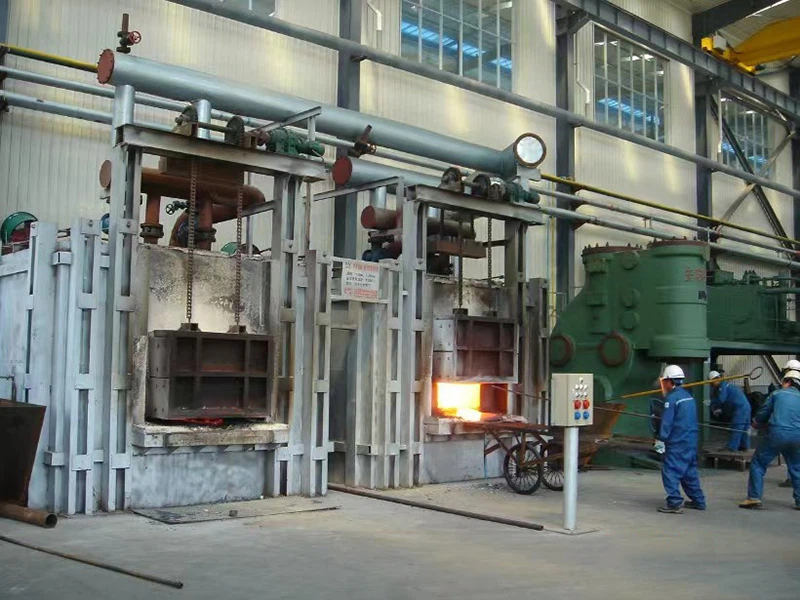

In conclusion, regularly checking your Spitfire Furnace for proper operation is essential for its longevity and efficiency. By following these simple steps, you can catch any problems early and prevent costly breakdowns.
If you're in the market for a new Spitfire Furnace or need any assistance with your existing one, don't hesitate to reach out. We're here to help you make the most of your furnace and ensure smooth operations. Whether you're a small - scale business or a large industrial facility, we've got the right solutions for you. Contact us today to start the procurement and negotiation process, and let's work together to meet your heating needs.
References
- "Furnace Maintenance Handbook" - A comprehensive guide on furnace maintenance and troubleshooting.
- Industry standards and guidelines for furnace operation and safety.