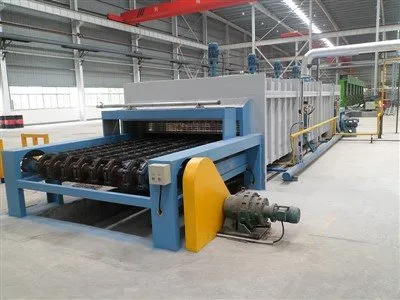
Calibrating temperature sensors in a trolley heating furnace is crucial for ensuring accurate temperature control and consistent performance. As a supplier of Trolley Heating Furnace, I've seen firsthand how proper calibration can make a huge difference in the efficiency and quality of your heating processes. In this blog post, I'll share some tips on how to calibrate the temperature sensors in your trolley heating furnace.
Why Calibration Matters
Before we dive into the calibration process, let's talk about why it's so important. Temperature sensors are the eyes and ears of your furnace, providing real-time data on the internal temperature. If these sensors are inaccurate, it can lead to a whole host of problems. For example, if the sensor reads a lower temperature than the actual one, the furnace might overheat, causing damage to the materials being processed and potentially shortening the lifespan of the furnace itself. On the other hand, if it reads higher, the furnace might not reach the required temperature, resulting in incomplete processing and poor-quality products.
Understanding Your Temperature Sensors
There are different types of temperature sensors used in trolley heating furnaces, such as thermocouples and resistance temperature detectors (RTDs). Each type has its own characteristics and calibration requirements.
- Thermocouples: These are the most commonly used sensors in industrial furnaces. They work based on the principle that when two different metals are joined at two junctions and there is a temperature difference between the junctions, a voltage is generated. The voltage is then converted into a temperature reading. Thermocouples are known for their wide temperature range and durability.
- RTDs: Resistance temperature detectors measure temperature by changes in electrical resistance. They are more accurate than thermocouples in a relatively narrow temperature range and are often used when high precision is required.
Pre - Calibration Checks
Before you start the calibration process, there are a few things you need to do:


- Visual Inspection: Check the sensors for any signs of physical damage, such as bent wires, cracked insulation, or corrosion. If you notice any damage, it's best to replace the sensor before calibration.
- Check the Installation: Make sure the sensors are properly installed in the furnace. They should be inserted to the correct depth and in the right location to ensure accurate temperature measurement. Incorrect installation can lead to inaccurate readings.
Calibration Process
Step 1: Gather the Necessary Tools
You'll need a reference temperature source, which can be a calibrated thermometer or a temperature - controlled bath. You'll also need a multimeter to measure the output of the sensor (voltage for thermocouples and resistance for RTDs).
Step 2: Select the Calibration Points
Choose at least three calibration points within the operating temperature range of your furnace. For example, if your furnace operates between 200°C and 800°C, you might choose 200°C, 500°C, and 800°C as your calibration points.
Step 3: Take Readings
- Thermocouples: Connect the thermocouple to the multimeter and place it in the reference temperature source. Wait for the temperature to stabilize, then record the voltage reading from the multimeter and the corresponding temperature from the reference source. Repeat this process for each calibration point.
- RTDs: For RTDs, measure the resistance using the multimeter at each calibration point. Again, make sure to wait for the temperature to stabilize before taking the reading.
Step 4: Compare and Adjust
Compare the readings from your sensor with the known values from the reference source. If there is a significant difference, you'll need to adjust the sensor. Some modern sensors can be adjusted electronically, while others may require mechanical adjustment or replacement of internal components.
Post - Calibration Checks
After calibration, it's important to perform some post - calibration checks to ensure that the sensors are now working accurately:
- Repeat the Readings: Take new readings at the calibration points to confirm that the sensor is now providing accurate results.
- Test in the Furnace: Run a test cycle in the furnace and monitor the temperature readings. Compare them with the expected values based on your process requirements. If there are still discrepancies, you may need to repeat the calibration process.
Regular Maintenance and Calibration Schedule
Calibration is not a one - time thing. Temperature sensors can drift over time due to factors such as aging, exposure to high temperatures, and chemical reactions. It's recommended to establish a regular calibration schedule. For most industrial applications, calibrating the sensors at least once a year is a good practice. However, if your furnace operates in a harsh environment or is used for critical processes, more frequent calibration may be necessary.
Other Considerations
Environmental Factors
The environment in which the furnace operates can affect the accuracy of the temperature sensors. For example, if the furnace is located in an area with high electromagnetic interference, it can cause noise in the sensor readings. Make sure to shield the sensors and their cables to minimize the impact of external factors.
Training
Proper calibration requires some technical knowledge and skills. Make sure your operators are trained on how to calibrate the temperature sensors correctly. This will not only ensure accurate calibration but also prevent damage to the sensors during the process.
Conclusion
Calibrating the temperature sensors in your trolley heating furnace is an essential part of maintaining the efficiency and quality of your heating processes. By following the steps outlined in this blog post, you can ensure that your sensors are providing accurate temperature readings, which in turn will lead to better product quality and longer furnace lifespan.
If you're in the market for a new Trolley Heating Furnace, or you need help with sensor calibration for your existing furnace, don't hesitate to reach out. We also offer a wide range of other industrial furnaces, such as Melting Furnace and Forging Furnace. Contact us to start a discussion about your specific needs and how we can help you optimize your heating processes.
References
- "Industrial Temperature Measurement Handbook"
- Manufacturer's manuals for temperature sensors and trolley heating furnaces