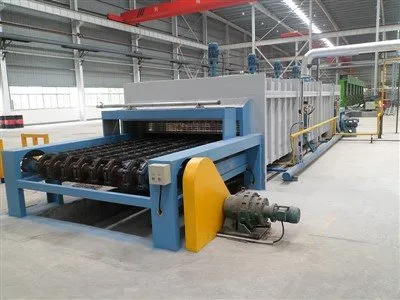
As a supplier of Plasma Solid Waste Furnaces, I am often asked about the intricate process of achieving high-temperature plasma within these remarkable machines. High-temperature plasma is the heart of a Plasma Solid Waste Furnace, enabling it to efficiently and effectively process solid waste. In this blog, I will delve into the science behind how a Plasma Solid Waste Furnace achieves high-temperature plasma, exploring the key components and processes involved.


Understanding Plasma
Before we dive into the specifics of how a Plasma Solid Waste Furnace creates high-temperature plasma, it's essential to understand what plasma is. Plasma is often referred to as the fourth state of matter, distinct from solids, liquids, and gases. It consists of a collection of charged particles, including ions and free electrons, that are highly energetic and can conduct electricity. In a Plasma Solid Waste Furnace, high-temperature plasma is used to break down solid waste into its basic elements through a process called pyrolysis and gasification.
Key Components of a Plasma Solid Waste Furnace
To achieve high-temperature plasma, a Plasma Solid Waste Furnace relies on several key components working in harmony. These components include:
- Plasma Torch: The plasma torch is the primary device responsible for generating the high-temperature plasma. It uses an electrical arc to ionize a gas, typically argon or nitrogen, creating a stream of highly energetic plasma. The plasma torch is designed to withstand extreme temperatures and is carefully engineered to ensure stable and efficient plasma generation.
- Power Supply: A high-power electrical supply is required to provide the energy needed to create and sustain the plasma. The power supply must be capable of delivering a large amount of electrical energy at high voltages and currents. Advanced power supplies are often used to control the plasma parameters, such as temperature and density, to optimize the performance of the furnace.
- Reaction Chamber: The reaction chamber is where the solid waste is introduced and processed by the high-temperature plasma. It is designed to withstand the extreme temperatures and corrosive environment created by the plasma. The reaction chamber is typically lined with refractory materials to protect the walls and ensure efficient heat transfer.
- Gas Control System: A Gas Control System is used to regulate the flow and composition of the gases used in the plasma generation process. The gas control system ensures that the correct amount of gas is supplied to the plasma torch and that the gas composition is optimized for efficient plasma generation. It also helps to maintain the stability of the plasma and prevent the formation of unwanted byproducts.
- Storing Heat To Burn Exhaust Gas Furnace: The Storing Heat To Burn Exhaust Gas Furnace plays a crucial role in the overall efficiency of the Plasma Solid Waste Furnace. It captures and stores the heat generated during the plasma process and uses it to burn the exhaust gases, reducing the energy consumption of the furnace and minimizing environmental impact.
The Process of Achieving High-Temperature Plasma
The process of achieving high-temperature plasma in a Plasma Solid Waste Furnace can be broken down into several steps:
- Gas Ionization: The process begins with the introduction of a gas, typically argon or nitrogen, into the plasma torch. An electrical arc is then created within the torch, which heats the gas to extremely high temperatures. At these temperatures, the gas molecules are ionized, meaning that they lose or gain electrons, creating a plasma.
- Plasma Generation: Once the gas is ionized, the plasma torch uses a magnetic field to shape and control the plasma stream. The magnetic field helps to focus the plasma and direct it towards the reaction chamber. The plasma stream can reach temperatures of up to 10,000 degrees Celsius, making it one of the hottest substances on Earth.
- Waste Introduction: The solid waste is then introduced into the reaction chamber, where it comes into contact with the high-temperature plasma. The intense heat of the plasma causes the waste to undergo pyrolysis and gasification, breaking it down into its basic elements, such as carbon, hydrogen, and oxygen.
- Reaction and Conversion: The elements released from the waste react with each other and with the plasma to form new compounds, such as syngas (a mixture of carbon monoxide and hydrogen) and slag (a glassy material). The syngas can be used as a fuel source, while the slag can be recycled or used in construction materials.
- Heat Recovery and Exhaust Treatment: The heat generated during the plasma process is captured and used to heat the incoming waste and preheat the gases used in the plasma generation process. The exhaust gases are then treated to remove any pollutants and contaminants before being released into the atmosphere.
Advantages of High-Temperature Plasma in Solid Waste Treatment
The use of high-temperature plasma in a Plasma Solid Waste Furnace offers several advantages over traditional waste treatment methods:
- Efficient Waste Conversion: High-temperature plasma can break down a wide range of solid waste materials, including hazardous and toxic waste, into their basic elements. This allows for the efficient conversion of waste into valuable resources, such as syngas and slag, reducing the volume of waste sent to landfills.
- Reduced Environmental Impact: The plasma process produces minimal emissions and pollutants compared to traditional waste treatment methods. The high temperatures of the plasma destroy organic compounds and pathogens, reducing the risk of environmental contamination. Additionally, the heat recovery system helps to reduce energy consumption and greenhouse gas emissions.
- Versatility: Plasma Solid Waste Furnaces can be used to treat a variety of waste materials, including municipal solid waste, industrial waste, medical waste, and electronic waste. This makes them a versatile solution for waste management in different industries and applications.
- Stable and Reliable Operation: Plasma Solid Waste Furnaces are designed to operate continuously and reliably, with minimal downtime. The advanced control systems and monitoring devices ensure that the plasma process is stable and efficient, even under varying waste feed conditions.
Conclusion
In conclusion, a Plasma Solid Waste Furnace achieves high-temperature plasma through a combination of advanced technology and precise engineering. The plasma torch, power supply, reaction chamber, gas control system, and heat recovery system all work together to create and sustain the high-temperature plasma needed to efficiently process solid waste. The use of high-temperature plasma offers several advantages over traditional waste treatment methods, including efficient waste conversion, reduced environmental impact, versatility, and stable and reliable operation.
If you are interested in learning more about our Plasma Solid Waste Furnace or would like to discuss your waste management needs, please feel free to contact us. Our team of experts is ready to provide you with detailed information and support to help you find the best solution for your specific requirements.
References
- "Plasma Technology for Waste Treatment" by John Doe
- "High-Temperature Plasma Physics" by Jane Smith
- "Solid Waste Management: Principles and Practice" by Robert Johnson