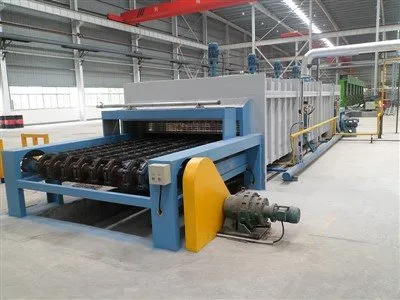
A conveyor chain drive system is a crucial component in numerous industrial applications, facilitating the smooth and efficient movement of materials. As a conveyor chain supplier, I have witnessed firsthand the significance and functionality of these systems. In this blog, I will delve into how a conveyor chain drive system works, exploring its components, operation principles, and applications.
Components of a Conveyor Chain Drive System
Conveyor Chain
At the heart of the system is the Conveyor Chain. Conveyor chains are designed to carry and transport various materials, from small parts to heavy loads. They are typically made of high - strength steel or other durable materials to withstand the rigors of continuous use. The chain consists of a series of interconnected links, which can be of different shapes and sizes depending on the specific application. For example, roller chains are commonly used in applications where smooth movement and high load - carrying capacity are required. The rollers on the chain reduce friction as it moves along the sprockets, allowing for efficient power transmission.
Sprockets
Sprockets are toothed wheels that mesh with the conveyor chain. They are essential for transferring power from the drive source to the chain. There are two main types of sprockets in a conveyor chain drive system: drive sprockets and idler sprockets. The drive sprocket is connected to the power source, such as an electric motor. As the motor rotates, it turns the drive sprocket, which in turn moves the conveyor chain. The idler sprockets, on the other hand, are used to guide the chain and maintain proper tension. They do not receive power directly but play a crucial role in ensuring the chain's smooth operation.
Drive Unit
The drive unit is responsible for providing the power needed to move the conveyor chain. It usually consists of an electric motor, a gearbox, and a coupling. The electric motor generates the rotational force, and the gearbox is used to adjust the speed and torque of the motor to match the requirements of the conveyor system. The coupling connects the motor and the gearbox, ensuring a secure and efficient transfer of power.
Frame and Supports
The frame and supports provide the structural foundation for the conveyor chain drive system. They hold the chain, sprockets, and drive unit in place and ensure the stability of the entire system. The frame is typically made of steel or aluminum, and it can be customized to fit the specific layout and requirements of the application. Supports are used to prevent the chain from sagging and to maintain its proper alignment.
How the Conveyor Chain Drive System Operates
Power Transmission
The operation of a conveyor chain drive system begins with the power source. When the electric motor is turned on, it starts to rotate. The rotational motion is transmitted through the coupling to the gearbox. The gearbox then adjusts the speed and torque according to the system's needs. The output shaft of the gearbox is connected to the drive sprocket. As the drive sprocket rotates, its teeth engage with the links of the conveyor chain, pulling the chain along.
Chain Movement
Once the chain starts moving, it travels along the path defined by the sprockets and the frame. The idler sprockets help to guide the chain and keep it in the correct position. The chain moves in a continuous loop, carrying the materials placed on it from one point to another. The speed of the chain can be adjusted by changing the speed of the motor or the gear ratio of the gearbox.
Material Handling
The conveyor chain is designed to carry materials in a variety of ways. In some applications, the materials are placed directly on the chain. For example, in a food processing plant, the chain may carry food products from one processing station to another. In other cases, the chain may be equipped with attachments, such as buckets or pallets, to hold the materials. These attachments can be customized to suit the specific shape and size of the materials being transported.
Applications of Conveyor Chain Drive Systems
Manufacturing Industry
In the manufacturing industry, conveyor chain drive systems are widely used for assembly lines. They can transport parts and components between different workstations, allowing for efficient mass production. For example, in an automobile manufacturing plant, conveyor chains are used to move car bodies along the assembly line, where various components are added at each stage.
Mining and Quarrying
In the mining and quarrying industry, conveyor chain drive systems are used to transport large quantities of minerals and rocks. The chains are designed to withstand the harsh conditions, including heavy loads and abrasive materials. They can move the mined materials from the extraction site to the processing plant or storage area.
Heat Treatment
In heat treatment processes, conveyor chain drive systems play a vital role. For instance, in a Holding Furnace or a Continuous Tempering Furnace, the chain is used to transport the workpieces through the furnace at a controlled speed. This ensures uniform heating and cooling of the materials, which is essential for achieving the desired mechanical properties.
Advantages of Conveyor Chain Drive Systems
High Efficiency
Conveyor chain drive systems are highly efficient in transporting materials. They can move large quantities of materials over long distances with minimal energy consumption. The continuous movement of the chain allows for a steady flow of materials, reducing the need for manual handling and increasing productivity.
Versatility
These systems are very versatile and can be customized to suit a wide range of applications. The conveyor chain can be made in different sizes and configurations, and the attachments can be tailored to the specific requirements of the materials being transported. This makes them suitable for various industries, from food processing to heavy manufacturing.
Durability
Conveyor chains are made of high - quality materials, which makes them highly durable. They can withstand heavy loads, high temperatures, and harsh environments. With proper maintenance, a conveyor chain drive system can have a long service life, reducing the need for frequent replacements.


Maintenance and Troubleshooting
Regular Maintenance
To ensure the reliable operation of a conveyor chain drive system, regular maintenance is essential. This includes lubricating the chain, checking the tension of the chain, and inspecting the sprockets for wear. Lubrication helps to reduce friction and wear on the chain and sprockets, extending their service life. Checking the chain tension is important because an overly loose or tight chain can cause problems such as chain slippage or excessive wear.
Troubleshooting
Common problems in a conveyor chain drive system include chain breakage, sprocket wear, and misalignment. Chain breakage can be caused by overloading, fatigue, or improper installation. Sprocket wear can occur due to friction and the abrasive nature of the materials being transported. Misalignment of the chain or sprockets can lead to uneven wear and reduced efficiency. When these problems occur, it is important to identify the root cause and take appropriate measures to fix them.
Conclusion
In conclusion, a conveyor chain drive system is a complex yet highly effective mechanism for transporting materials in various industries. Its components work together in harmony to ensure the smooth and efficient movement of materials. As a conveyor chain supplier, I understand the importance of providing high - quality products and excellent customer service. If you are in need of a conveyor chain drive system for your business, whether it is for a manufacturing plant, a mining operation, or a heat treatment process, I encourage you to contact me for a detailed discussion. We can work together to find the most suitable solution for your specific requirements.
References
- "Conveyor Chain Handbook" by Chain Manufacturer's Association
- "Industrial Conveyor Systems: Design and Operation" by John Doe