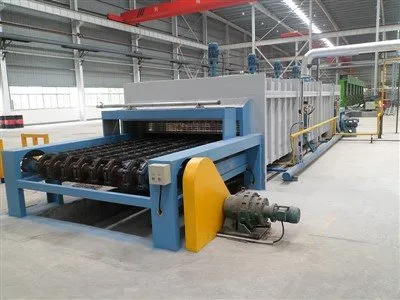
As a supplier of the Spitfire Furnace, I often encounter various inquiries about the applications of our products. One rather unusual question that has popped up is, "Can the Spitfire Furnace be used in a library?" At first glance, this might seem like an outlandish idea, but let's take a scientific and rational approach to analyze this query.
Understanding the Spitfire Furnace
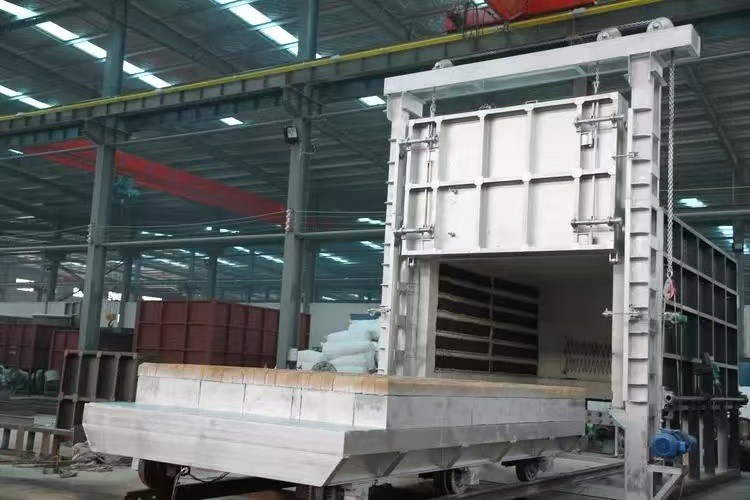
Before delving into its potential use in a library, it's essential to understand what the Spitfire Furnace is. The Spitfire Furnace is a high - performance industrial furnace known for its efficiency and power. It is designed primarily for applications in forging and melting processes.
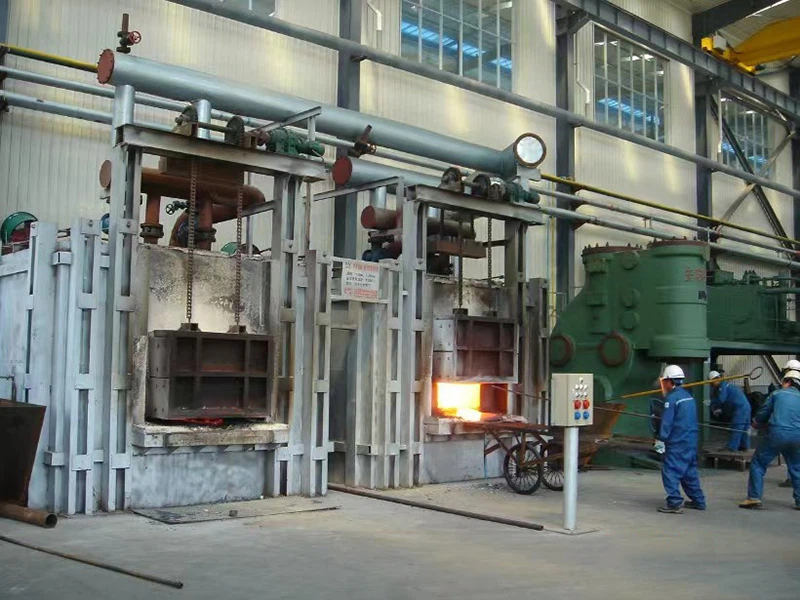
In forging operations, the Spitfire Furnace can heat metals to extremely high temperatures, making them malleable for shaping. This is crucial in industries such as automotive manufacturing, where precision - forged parts are required. The furnace's advanced heating elements and insulation ensure rapid and uniform heating, reducing production time and energy consumption. You can learn more about forging applications in our Forging Furnace section.
For melting purposes, the Spitfire Furnace can handle a variety of metals, including aluminum, copper, and steel. Its robust construction and precise temperature control make it a reliable choice for foundries and metalworking shops. If you're interested in melting operations, our Melting Furnace page provides detailed information.
Conditions in a Library
Libraries are places dedicated to the preservation and dissemination of knowledge. They house a vast collection of books, manuscripts, and digital media. The environment in a library needs to be carefully controlled to ensure the longevity of these materials.
Temperature and humidity are two critical factors. Most libraries maintain a temperature range between 68 - 72°F (20 - 22°C) and a relative humidity of 40 - 60%. This stable environment helps prevent the degradation of paper, leather, and other materials commonly found in books.
In addition, libraries require good air quality. Dust, pollutants, and harmful gases can damage the collections and pose a health risk to patrons and staff. Adequate ventilation systems are in place to ensure a constant supply of fresh air and to remove any contaminants.
Compatibility of the Spitfire Furnace with Library Conditions
Now, let's assess whether the Spitfire Furnace can be used in a library.
Temperature
The Spitfire Furnace operates at extremely high temperatures. During forging or melting processes, the internal temperature of the furnace can reach several hundred degrees Celsius. This heat generation would have a significant impact on the temperature in a library. Even with proper insulation, some heat would inevitably leak into the surrounding environment, causing the temperature in the library to rise well above the recommended range. This could lead to the drying out of paper, warping of book bindings, and the acceleration of chemical reactions that damage the materials.
Humidity
The heat from the furnace would also affect the humidity levels. As the air in the library heats up, its capacity to hold moisture increases. This would result in a decrease in relative humidity, which could be detrimental to the books and other materials. Low humidity can cause paper to become brittle and crack, and it can also damage leather bindings.
Air Quality
The operation of the Spitfire Furnace involves the combustion of fuels or the use of electrical heating elements. This can produce exhaust gases, dust, and particulate matter. These pollutants would contaminate the air in the library, posing a threat to the collections and the health of the people inside. Libraries have strict air quality standards, and the presence of these contaminants would violate those standards.
Noise
Industrial furnaces like the Spitfire Furnace are often noisy during operation. The fans, pumps, and other mechanical components generate a significant amount of noise. This would be a major distraction in a library, where a quiet environment is essential for studying and reading.
Potential Alternative Uses in a Library - Adjacent Context
While the direct use of the Spitfire Furnace in a traditional library setting is not feasible, there might be some alternative scenarios where a modified version or a related application could be considered.
For example, in a library that is part of a historical or cultural complex with a focus on metalworking or craftsmanship, a non - operational Spitfire Furnace could be used as a display piece. It could serve as an educational tool to teach visitors about the history of metalworking and the technology behind industrial furnaces.
Another possibility is in a research library associated with a technical university or a metalworking institute. Here, the furnace could be used in a separate, well - ventilated laboratory area for small - scale research projects related to metal properties or heat treatment. However, strict safety and environmental regulations would need to be followed to ensure that there is no impact on the main library area.
Conclusion
In conclusion, the Spitfire Furnace is not suitable for use in a standard library environment. The high temperatures, potential impact on humidity and air quality, and noise levels associated with its operation are incompatible with the requirements of a library. However, with some creative thinking and proper safety measures, there could be alternative uses in related contexts.
If you have any further questions about the Spitfire Furnace or our other products, or if you're interested in exploring potential applications in a non - traditional setting, please feel free to reach out. We're always happy to engage in discussions and provide solutions tailored to your specific needs. Whether you're involved in forging, melting, or other industrial processes, our team of experts can assist you in finding the right equipment for your operations. Contact us today to start a procurement discussion and find out how our products can benefit your business.
References
- American Library Association. (2023). Guidelines for Library Environmental Quality.
- Industrial Furnace Association. (2023). Handbook of Industrial Furnace Operation and Maintenance.