Can Spiral Round Spring Equipment Be Used in Electromagnetic Fields?
As a supplier of spiral round spring equipment, I often encounter various inquiries from customers regarding the application scenarios and capabilities of our products. One question that has come up more frequently lately is whether our spiral round spring equipment can be used in electromagnetic fields. In this blog post, I'll delve into the science behind this query and provide a comprehensive answer based on our expertise and industry knowledge.
Understanding Spiral Round Spring Equipment
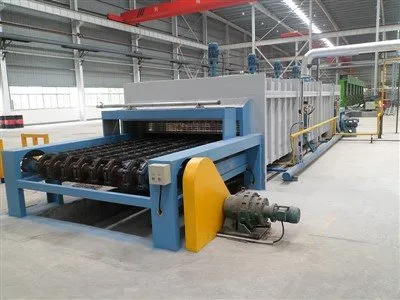
Before we discuss the use of spiral round spring equipment in electromagnetic fields, it's essential to understand what this equipment entails. Spiral round springs are widely used in numerous industries due to their unique properties, such as high elasticity, durability, and the ability to store and release energy efficiently. Our company offers a range of equipment designed for the production, testing, and processing of these springs, including Helical Spring Stepping Quenching Furnace, Automatic Quenching Furnace, and Continuous Tempering Furnace.
These machines play a crucial role in the manufacturing process, ensuring that the spiral round springs meet the required specifications and quality standards. However, when it comes to using them in electromagnetic fields, we need to consider several factors.

Effects of Electromagnetic Fields on Equipment
Electromagnetic fields (EMFs) are produced by the movement of electric charges and can exist in various forms, such as static magnetic fields, alternating magnetic fields, and electromagnetic radiation. The impact of EMFs on equipment depends on several factors, including the strength of the field, the frequency of the electromagnetic waves, and the properties of the materials used in the equipment.
One of the primary concerns when using equipment in an electromagnetic field is the generation of eddy currents. Eddy currents are loops of electrical current induced within conductors by a changing magnetic field. These currents can cause heating, which may lead to thermal stress and damage to the equipment over time. Additionally, eddy currents can also create electromagnetic interference (EMI), which can disrupt the normal operation of the equipment and affect its accuracy and reliability.
Another potential issue is the interaction between the magnetic field and the magnetic properties of the materials used in the equipment. Some materials, such as ferromagnetic materials, are strongly attracted to magnetic fields and can be magnetized. This can cause changes in the mechanical properties of the equipment, such as stiffness and elasticity, and may also affect its performance.
Suitability of Spiral Round Spring Equipment in Electromagnetic Fields
The suitability of our spiral round spring equipment in electromagnetic fields depends on several factors, including the type of equipment, the strength and frequency of the electromagnetic field, and the specific application requirements.
In general, our equipment is designed to operate in a wide range of industrial environments, but the presence of strong electromagnetic fields may require additional precautions. For example, if the equipment is used in close proximity to high-power electrical equipment or in an environment with strong magnetic fields, we may need to use shielding materials to reduce the impact of the EMFs.
Shielding materials, such as mu-metal or conductive polymers, can be used to redirect or absorb the electromagnetic waves, reducing the amount of EMF that reaches the equipment. Additionally, we can also use grounding techniques to dissipate any induced currents and prevent them from causing damage to the equipment.
For some of our equipment, such as the Helical Spring Stepping Quenching Furnace and Automatic Quenching Furnace, which involve high-temperature processes, the impact of electromagnetic fields may be more significant. In these cases, we need to ensure that the equipment is designed to withstand the thermal and electrical stresses associated with the electromagnetic environment.
On the other hand, some of our equipment, such as the Continuous Tempering Furnace, may be less sensitive to electromagnetic fields, as they operate at lower temperatures and do not involve high-power electrical components. However, it's still important to consider the potential impact of EMFs on the control systems and sensors used in the equipment to ensure their proper operation.
Case Studies and Testing
To better understand the performance of our spiral round spring equipment in electromagnetic fields, we have conducted several case studies and tests in different industrial environments. These studies have shown that with proper shielding and grounding, our equipment can operate effectively in moderate electromagnetic fields without significant degradation in performance.
For example, in a recent test conducted in a manufacturing plant with high-power electrical machinery, we installed our Automatic Quenching Furnace with shielding materials and grounding techniques. The results showed that the equipment was able to maintain its temperature accuracy and process control within the specified limits, indicating that it was able to withstand the electromagnetic interference from the surrounding environment.
However, it's important to note that the performance of the equipment may vary depending on the specific characteristics of the electromagnetic field and the application requirements. Therefore, we recommend conducting a detailed site assessment and feasibility study before installing our equipment in an electromagnetic environment.
Conclusion
In conclusion, while our spiral round spring equipment can be used in electromagnetic fields, it requires careful consideration and appropriate precautions to ensure its reliable and efficient operation. The impact of electromagnetic fields on the equipment can be minimized through the use of shielding materials, grounding techniques, and proper design and installation.
At our company, we have the expertise and experience to provide customized solutions for customers who need to use our equipment in electromagnetic environments. We can work with you to assess your specific requirements, recommend the appropriate shielding and grounding measures, and ensure that the equipment is installed and commissioned correctly.
If you are interested in learning more about our spiral round spring equipment and its suitability for your electromagnetic field application, please contact us. Our team of experts will be happy to discuss your needs and provide you with a detailed proposal. We look forward to the opportunity to work with you and help you achieve your manufacturing goals.
References
- "Electromagnetic Compatibility Engineering" by Henry W. Ott.
- "Industrial Electromagnetic Compatibility" by T. W. Williams.
- "Handbook of Electromagnetic Materials: Principles, Properties and Applications" edited by K. S. Varadan, V. K. Varadan, and J. J. Katz.