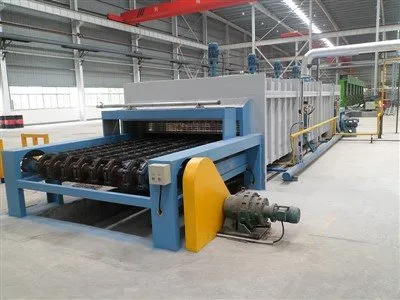
As a supplier of Volume Ear Furnaces, I often encounter questions from customers regarding the recyclability of these industrial equipment. In this blog post, I'll delve into the topic of whether a Volume Ear Furnace can be recycled, exploring the various aspects of recycling in the context of industrial furnaces.
Understanding the Volume Ear Furnace
Before we discuss recycling, it's essential to understand what a Volume Ear Furnace is. A Volume Ear Furnace is a specialized piece of equipment used in various industrial processes, particularly in the manufacturing of leaf springs and other metal components. It is designed to heat materials to specific temperatures, facilitating shaping and treatment processes. The Volume Ear Furnace is known for its efficiency and precision in temperature control, making it a valuable asset in the industrial sector.
Components of a Volume Ear Furnace
To assess the recyclability of a Volume Ear Furnace, we need to look at its components. A typical Volume Ear Furnace consists of several key parts:
- Shell and Structure: The outer shell is usually made of steel or other metals. These metals are highly recyclable and can be melted down and reused in the production of new metal products.
- Heating Elements: The heating elements, such as electric coils or gas burners, may contain various metals and alloys. Some of these materials, like nichrome in electric coils, can be recycled, but the process may be more complex due to the need to separate different metals.
- Insulation Materials: Insulation materials are used to prevent heat loss from the furnace. These materials can vary widely, including refractory bricks, ceramic fibers, and mineral wool. While some insulation materials can be recycled, others may pose challenges due to their composition or potential environmental hazards.
- Control Systems: The control systems of a Volume Ear Furnace include sensors, switches, and electronic components. These components often contain valuable metals like copper, gold, and silver, which can be recovered through recycling processes.
Recycling Processes for Volume Ear Furnaces
Recycling a Volume Ear Furnace involves several steps:


- Dismantling: The first step is to carefully dismantle the furnace into its individual components. This requires specialized tools and expertise to ensure the safe removal of all parts without causing damage.
- Sorting: Once the components are removed, they need to be sorted based on their material type. Metals are separated from non-metals, and different types of metals are further sorted to facilitate the recycling process.
- Metal Recycling: The recyclable metals, such as steel, aluminum, and copper, are sent to a metal recycling facility. At the facility, the metals are melted down and purified to remove impurities. The purified metals can then be used to manufacture new products.
- Non-Metal Recycling: Non-metal components, such as insulation materials and electronic waste, may require different recycling processes. Some insulation materials can be reused or repurposed, while electronic waste can be processed to recover valuable metals.
- Environmental Considerations: Throughout the recycling process, it's important to consider environmental factors. Recycling helps reduce the demand for virgin materials, conserve energy, and minimize waste sent to landfills. However, some recycling processes may generate emissions or waste products that need to be properly managed.
Challenges in Recycling Volume Ear Furnaces
While recycling Volume Ear Furnaces is possible, there are several challenges that need to be addressed:
- Complexity of Components: The complex composition of Volume Ear Furnaces, with a variety of metals, alloys, and non-metal materials, makes the recycling process more challenging. Specialized equipment and techniques are required to separate and recycle these materials effectively.
- Environmental Regulations: Recycling industrial equipment is subject to strict environmental regulations. These regulations aim to ensure that the recycling process is carried out in an environmentally responsible manner, minimizing the release of pollutants and hazardous substances.
- Cost: Recycling Volume Ear Furnaces can be costly, especially when considering the dismantling, sorting, and processing steps. The cost of recycling may be a deterrent for some companies, especially if the market value of the recycled materials is low.
- Lack of Awareness: Many companies may not be aware of the recyclability of Volume Ear Furnaces or the available recycling options. This lack of awareness can lead to these valuable assets being discarded instead of recycled.
Benefits of Recycling Volume Ear Furnaces
Despite the challenges, recycling Volume Ear Furnaces offers several benefits:
- Resource Conservation: Recycling helps conserve natural resources by reducing the demand for virgin materials. By reusing metals and other materials from old furnaces, we can minimize the environmental impact of mining and extraction.
- Energy Savings: Recycling metals requires less energy compared to producing new metals from virgin materials. This energy savings helps reduce greenhouse gas emissions and contributes to a more sustainable future.
- Waste Reduction: Recycling Volume Ear Furnaces reduces the amount of waste sent to landfills. This helps extend the lifespan of landfills and reduces the environmental impact of waste disposal.
- Economic Opportunities: The recycling industry creates jobs and economic opportunities. By recycling Volume Ear Furnaces, we can support the growth of the recycling sector and contribute to the local economy.
Related Industrial Furnaces and Their Recycling Potential
In addition to Volume Ear Furnaces, other industrial furnaces, such as the Walking Beam Reheating Furnace, also have recycling potential. The Walking Beam Reheating Furnace is used in the steel industry to heat steel billets or slabs before rolling. Similar to Volume Ear Furnaces, Walking Beam Reheating Furnaces consist of various components that can be recycled, including the steel structure, heating elements, and insulation materials. The recycling process for Walking Beam Reheating Furnaces is similar to that of Volume Ear Furnaces, involving dismantling, sorting, and recycling of different components. For more information on the production and features of Walking Beam Reheating Furnaces, you can visit the Walking Beam Reheating Furnace Factory.
Conclusion and Call to Action
In conclusion, a Volume Ear Furnace can be recycled, but the process requires careful planning, specialized equipment, and expertise. While there are challenges associated with recycling, the benefits of resource conservation, energy savings, waste reduction, and economic opportunities make it a worthwhile endeavor. As a supplier of Volume Ear Furnaces, I encourage our customers to consider recycling their old furnaces at the end of their useful life. By doing so, we can contribute to a more sustainable and environmentally friendly industrial sector.
If you're interested in purchasing a Volume Ear Furnace or have any questions about our products, please feel free to contact us. We're here to provide you with the best solutions for your industrial heating needs.
References
- "Recycling of Industrial Furnaces: A Review." Journal of Environmental Management.
- "Metals Recycling: Principles and Practice." McGraw-Hill Education.
- "Sustainable Manufacturing: Strategies for Reducing Environmental Impact." Wiley.