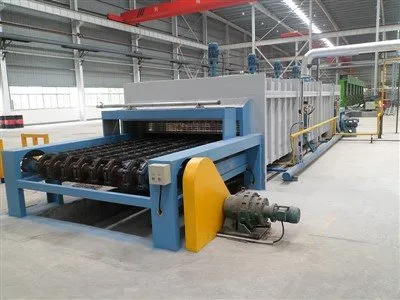
Can a quenching machine be used for mass production? That's a question I get asked a lot as a quenching machine supplier. And the answer is a resounding yes! Let's dive into why quenching machines are a great fit for mass - production environments.
First off, what exactly is quenching? Quenching is a heat - treatment process where a metal is heated to a specific temperature and then rapidly cooled. This process changes the metal's physical properties, making it harder, stronger, and more durable. It's used in a wide range of industries, from automotive to aerospace, to make parts like gears, shafts, and springs.
One of the key advantages of using a quenching machine for mass production is efficiency. Modern quenching machines are designed to handle large volumes of workpieces. They can heat and cool multiple parts simultaneously, which significantly cuts down on production time. For example, in an automotive manufacturing plant, hundreds or even thousands of engine components need to be quenched every day. A high - quality quenching machine can keep up with this demand without a hitch.
Another benefit is consistency. In mass production, it's crucial that every part meets the same quality standards. Quenching machines are equipped with advanced control systems that ensure precise temperature control and cooling rates. This means that each and every workpiece gets the exact same heat - treatment, resulting in consistent mechanical properties across the entire production run. Whether you're making 100 or 100,000 parts, you can count on the quenching machine to deliver the same high - quality results.
Cost - effectiveness is also a major plus. While the initial investment in a quenching machine might seem high, it pays off in the long run. By automating the quenching process, you reduce labor costs. You don't need a large team of workers to manually heat and cool each part. Additionally, because the machine provides consistent results, there's less waste due to defective parts. Fewer rejects mean lower production costs overall.
Now, let's talk about some of the features that make quenching machines suitable for mass production. Many quenching machines come with programmable logic controllers (PLCs). These allow you to set up different quenching programs for various types of workpieces. You can easily switch between programs depending on what you're producing, which is really handy when you have a diverse product line.

Some quenching machines also have conveyor systems. These systems can automatically load and unload workpieces, further streamlining the production process. The conveyor moves the parts through the heating and cooling zones in an orderly fashion, maximizing throughput.
But it's not just about the quenching machine itself. It can be integrated with other equipment in the production line. For instance, a Walking Beam Reheating Furnace can be used to pre - heat the workpieces before they enter the quenching machine. This combination ensures a more efficient and effective heat - treatment process. And if you need to drill holes in the quenched parts, an Automatic Drilling Machine can be added to the line. The integration of these machines allows for a seamless mass - production process.
There are, of course, some considerations when using a quenching machine for mass production. Maintenance is key. Regular maintenance ensures that the machine operates at peak performance and has a long service life. You need to keep an eye on things like the heating elements, cooling systems, and control panels. But most modern quenching machines are designed to be relatively easy to maintain, with user - friendly interfaces and accessible components.
You also need to choose the right quenching medium. Different metals and applications require different quenching media, such as water, oil, or polymer solutions. The choice of medium affects the cooling rate and, ultimately, the properties of the quenched part. So, it's important to do your research and select the most appropriate medium for your specific production needs.
In terms of safety, quenching machines have come a long way. They're equipped with safety features like emergency stop buttons, temperature sensors, and protective enclosures. However, it's still essential to train your workers on proper safety procedures when operating the machine.
To sum it up, quenching machines are definitely a viable option for mass production. They offer efficiency, consistency, and cost - effectiveness. With the right machine and proper maintenance, you can produce high - quality quenched parts in large quantities.
If you're in the market for a quenching machine for your mass - production needs, I'd love to have a chat. We've got a range of quenching machines that can be tailored to your specific requirements. Whether you're a small - scale manufacturer looking to ramp up production or a large corporation in need of a high - capacity solution, we can help. Get in touch, and let's discuss how we can take your production to the next level.
References
- ASM Handbook Volume 4: Heat Treating. ASM International.
- Heat Treatment Principles and Techniques. Elsevier.