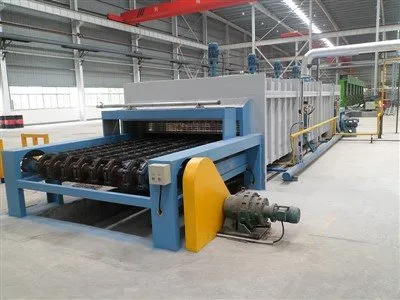
Hey there! As a supplier of Conveyor Chain, I often get asked about the ins and outs of conveyor chains and their components. One question that pops up quite a bit is, "What is the sprocket for a conveyor chain?" Well, let's dive right in and find out!
What's a Sprocket Anyway?
A sprocket is like the unsung hero of the conveyor chain system. It's a toothed wheel that meshes with the conveyor chain to transfer motion and power. Think of it as the key that unlocks the chain's potential. Without a properly functioning sprocket, your conveyor chain would just be a useless piece of metal, lying around doing nothing.
How Does a Sprocket Work with a Conveyor Chain?
The relationship between a sprocket and a conveyor chain is a beautiful symphony of mechanical engineering. When the sprocket rotates, its teeth engage with the links of the conveyor chain. This engagement causes the chain to move along, carrying whatever it's designed to transport - be it goods in a factory, materials in a mining operation, or products in a distribution center.
The size and shape of the sprocket teeth are crucial. They need to be precisely designed to fit the chain links perfectly. If the teeth are too big or too small, the chain won't engage properly, leading to issues like chain slippage, premature wear, and even system failure.
Types of Sprockets for Conveyor Chains
There are several types of sprockets available, each designed for specific applications and conveyor chain types. Here are some of the most common ones:
Single Strand Sprockets
These are the simplest type of sprockets. They're used with single-strand conveyor chains and are ideal for light to medium-duty applications. Single strand sprockets are easy to install and maintain, making them a popular choice for many industries.
Multiple Strand Sprockets
When you need to handle heavier loads or higher speeds, multiple strand sprockets come into play. These sprockets have multiple rows of teeth that engage with multiple strands of the conveyor chain. This design distributes the load more evenly, reducing wear and tear on the chain and sprocket.
Split Sprockets
Split sprockets are a game-changer when it comes to installation and maintenance. Unlike solid sprockets, which need to be installed by sliding them onto a shaft, split sprockets can be easily assembled around the shaft without having to remove other components. This makes them a great choice for applications where downtime needs to be minimized.
Importance of Choosing the Right Sprocket
Choosing the right sprocket for your conveyor chain is crucial for the overall performance and longevity of your system. Here's why:
Efficiency
A properly matched sprocket and chain combination ensures smooth and efficient operation. This means less energy consumption, which translates to cost savings in the long run.
Durability
The right sprocket will reduce wear and tear on the chain, extending its lifespan. This not only saves you money on replacement parts but also reduces downtime due to chain failures.
Safety
Using the wrong sprocket can lead to chain slippage, which can be dangerous in industrial settings. A well-matched sprocket and chain combination ensures safe and reliable operation.
Our Role as a Conveyor Chain Supplier
As a Conveyor Chain supplier, we understand the importance of providing high-quality sprockets that are perfectly matched to our chains. We offer a wide range of sprockets, including single strand, multiple strand, and split sprockets, to meet the diverse needs of our customers.
Our sprockets are made from high-quality materials and are precision-engineered to ensure a perfect fit with our conveyor chains. We also offer custom sprocket manufacturing services, so if you have specific requirements, we can design and produce a sprocket that's just right for your application.
The Manufacturing Process of Sprockets
The manufacturing process of sprockets is a complex one that requires precision and expertise. Here's a brief overview of how we make our sprockets:
Material Selection
We start by selecting the right material for the sprocket. This depends on factors such as the application, load capacity, and operating environment. Common materials include steel, stainless steel, and cast iron.
Machining
Once the material is selected, it's machined to the desired shape and size. This involves processes such as turning, milling, and drilling to create the teeth and other features of the sprocket.
Heat Treatment
To improve the hardness and durability of the sprocket, it undergoes heat treatment. This involves heating the sprocket to a specific temperature and then cooling it rapidly to change its physical properties.
Finishing
After heat treatment, the sprocket is finished to remove any rough edges and to improve its surface finish. This helps to reduce friction and wear, ensuring smooth operation.
Related Equipment in the Conveyor Chain System
In addition to sprockets and conveyor chains, there are other important pieces of equipment in a conveyor chain system. For example, Automatic Quenching Furnace and Helical Spring Stepping Quenching Furnace are used in the manufacturing process of conveyor chain components to improve their quality and performance.
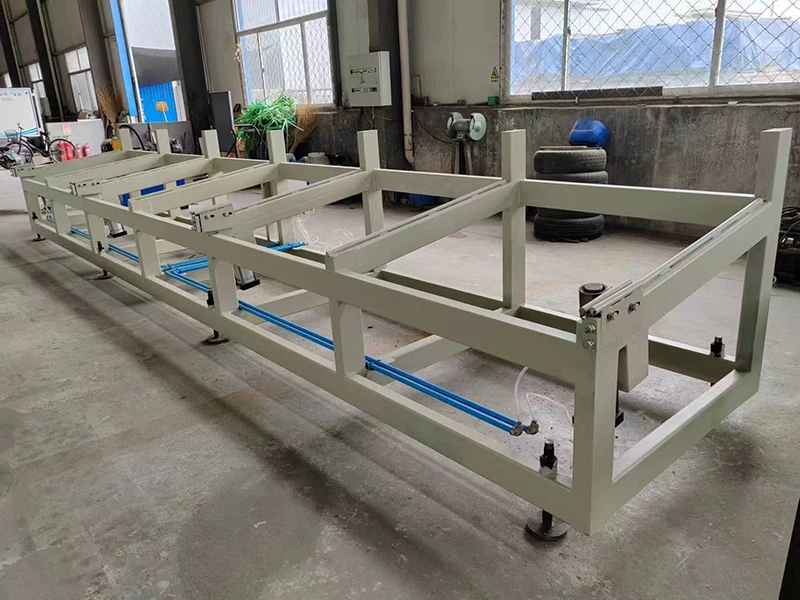

These furnaces play a crucial role in heat treatment, ensuring that the components are hardened to the right level. This helps to increase their resistance to wear and tear, making them more reliable and long-lasting.
Contact Us for Your Conveyor Chain and Sprocket Needs
If you're in the market for high-quality conveyor chains and sprockets, look no further. We're here to help you find the perfect solution for your application. Whether you need a standard sprocket or a custom-designed one, we've got you covered.
Don't hesitate to reach out to us for more information or to discuss your specific requirements. We're always happy to answer your questions and provide you with the best advice and solutions. Let's work together to make your conveyor chain system more efficient, reliable, and cost-effective.
References
- "Conveyor Chain Handbook" - Industry-standard guide on conveyor chains and their components.
- "Mechanical Engineering Design" - Textbook covering the principles of mechanical design, including sprockets and chains.