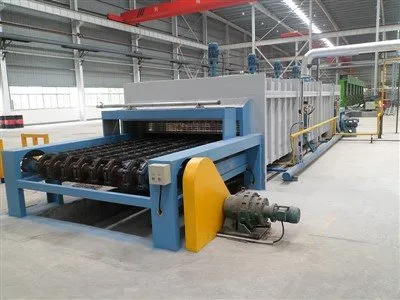
As a reliable supplier of Conveyor Chains, I am frequently asked about the safety factor for these essential industrial components. In this article, I will delve into what the safety factor of a conveyor chain is, why it matters, and how it impacts the performance and reliability of conveyor systems.
Understanding the Safety Factor
The safety factor is a crucial concept in engineering, and it plays a vital role in the design and selection of conveyor chains. In simple terms, the safety factor is the ratio of the ultimate strength of the chain to the maximum working load it is expected to carry. It provides a buffer against unexpected loads, dynamic forces, and unforeseen operating conditions.
Let's break this down further. The ultimate strength of a conveyor chain is the maximum load it can withstand before it fails, usually through breakage or excessive deformation. This value is determined through rigorous testing in a controlled environment. On the other hand, the maximum working load is the typical load that the chain will carry during normal operation.
For example, if a conveyor chain has an ultimate strength of 10,000 pounds and a maximum working load of 2,000 pounds, the safety factor would be 10,000 / 2,000 = 5. This means that the chain is designed to withstand five times the normal working load before failure.
Importance of the Safety Factor
The safety factor of a conveyor chain is of utmost importance for several reasons:
1. Reliability
A higher safety factor ensures that the chain can handle unexpected loads and fluctuations in the working environment. In industrial settings, it is not uncommon for conveyor systems to encounter sudden spikes in load, such as when a large or heavy item is introduced onto the conveyor. A chain with an appropriate safety factor can handle these situations without failing, reducing the risk of downtime and costly repairs.
2. Safety
Safety is a top priority in any industrial operation. A conveyor chain with an adequate safety factor reduces the risk of chain failure, which could lead to serious accidents, injuries, and damage to equipment. By ensuring that the chain can handle more than the normal working load, the safety of workers and the integrity of the overall system are protected.
3. Longevity
Conveyor chains are subject to wear and tear over time. A higher safety factor means that the chain is less likely to experience excessive stress during normal operation, which can extend its lifespan. This reduces the frequency of chain replacements, saving both time and money in the long run.
Factors Affecting the Safety Factor
Determining the appropriate safety factor for a conveyor chain depends on several factors:
1. Load Characteristics
The type of load that the conveyor chain will carry is a critical factor. If the load is uniform and predictable, a lower safety factor may be sufficient. However, if the load is variable, uneven, or subject to sudden changes, a higher safety factor is recommended. For example, a conveyor system used to transport heavy machinery parts may require a higher safety factor than one used for lightweight packages.

2. Operating Conditions
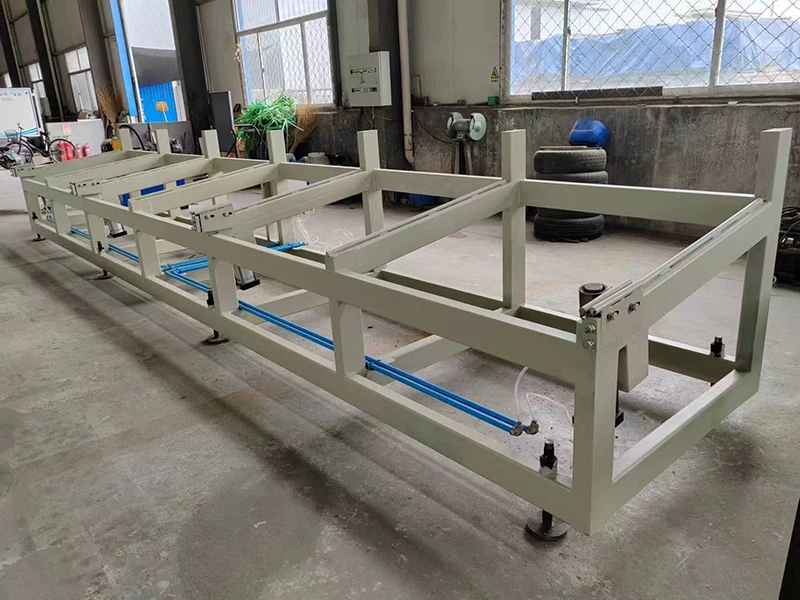
The environment in which the conveyor chain operates also affects the safety factor. Harsh conditions, such as high temperatures, high humidity, corrosive substances, or abrasive materials, can weaken the chain over time. In these cases, a higher safety factor is necessary to compensate for the additional stress and potential damage. For instance, a conveyor chain used in a Continuous Tempering Furnace where temperatures can reach extreme levels will need a higher safety factor than one used in a normal warehouse environment.
3. Chain Design and Quality
The design and quality of the conveyor chain itself play a significant role in determining the appropriate safety factor. Chains with better materials, manufacturing processes, and structural designs are generally more robust and can withstand higher loads. A high - quality chain may require a lower safety factor compared to a lower - quality chain to achieve the same level of reliability.
4. System Dynamics
The dynamic forces acting on the conveyor chain, such as acceleration, deceleration, and vibration, also need to be considered. Conveyor systems that start and stop frequently or operate at high speeds generate higher dynamic forces, which require a higher safety factor. For example, a high - speed conveyor in a packaging line may need a safety factor of 6 or more, while a slow - moving conveyor in a small workshop may only require a safety factor of 3.
Selecting the Right Safety Factor
When selecting a conveyor chain, it is essential to choose the appropriate safety factor based on the specific requirements of the application. Here are some general guidelines:
- For light - duty applications with stable loads and normal operating conditions, a safety factor of 3 to 4 may be sufficient.
- For medium - duty applications with some variability in load and normal operating conditions, a safety factor of 4 to 5 is recommended.
- For heavy - duty applications with high - variable loads, harsh operating conditions, or high - speed operation, a safety factor of 5 or higher is advisable.
It is also important to consult with an experienced engineer or a knowledgeable supplier like us. We have in - depth knowledge of conveyor chains and can provide expert advice on selecting the right chain with an appropriate safety factor for your specific needs. Our team of professionals can analyze your application, including the load characteristics, operating conditions, and system dynamics, to recommend the most suitable conveyor chain.
Our Conveyor Chain Offerings
As a leading supplier of Conveyor Chains, we offer a wide range of high - quality chains designed to meet the diverse needs of industrial applications. Our chains are manufactured using the latest technology and the highest quality materials to ensure maximum strength, durability, and reliability.
We understand that different applications require different safety factors, and we are committed to providing our customers with the right chain for their specific requirements. Whether you need a chain for a simple conveyor system in a small factory or a complex, high - speed conveyor in a large - scale manufacturing plant, we have the expertise and the products to meet your needs.
In addition to our standard conveyor chains, we also offer custom - made solutions. Our engineering team can work closely with you to design and manufacture a conveyor chain that is tailored to your exact specifications, including the appropriate safety factor.
Conclusion
The safety factor of a conveyor chain is a critical parameter that directly impacts the reliability, safety, and longevity of conveyor systems. By understanding the concept of safety factor, the factors that affect it, and how to select the right one for your application, you can ensure the optimal performance of your conveyor system.
As a trusted supplier of Conveyor Chains, we are dedicated to providing our customers with high - quality products and expert advice. If you are in the market for a conveyor chain or need assistance with determining the appropriate safety factor for your application, we invite you to contact us for a consultation. Our team of professionals is ready to help you find the perfect solution for your conveyor needs.
References
- Brown, R. W. (2003). Conveyor Design for Bulk Materials. Taylor & Francis.
- Oberg, E., et al. (2016). Machinery's Handbook. Industrial Press.
- ASME B29.1 - 2011. Roller Chains and Sprockets. American Society of Mechanical Engineers.