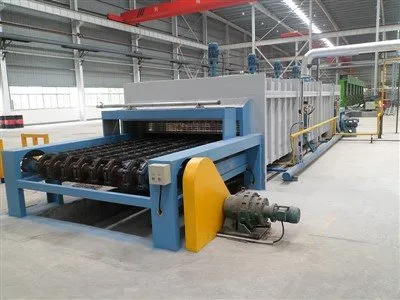
As a trusted supplier of Holding Furnaces, I've witnessed firsthand the pivotal role that burners play in these essential pieces of equipment. Holding furnaces are used across various industries, including metalworking, glass manufacturing, and food processing, to maintain a consistent temperature for materials. The burner is the heart of the holding furnace, and understanding its role is crucial for anyone involved in the operation or procurement of these systems.
The Basic Function of a Burner in a Holding Furnace
At its core, the burner in a holding furnace is responsible for generating the heat necessary to maintain the desired temperature inside the furnace. It achieves this by combusting a fuel source, such as natural gas, propane, or oil, in a controlled manner. The combustion process releases energy in the form of heat, which is then transferred to the materials inside the furnace.
The burner must be able to provide a stable and consistent flame to ensure uniform heating. This is particularly important in applications where precise temperature control is required, such as in the heat treatment of metals. A fluctuating flame can lead to uneven heating, which can result in defects in the final product.
Types of Burners Used in Holding Furnaces
There are several types of burners commonly used in holding furnaces, each with its own advantages and disadvantages. The choice of burner depends on factors such as the type of fuel, the required heat output, and the specific application.
1. Gas Burners
Gas burners are the most widely used type of burner in holding furnaces. They are popular because they are clean-burning, efficient, and easy to control. Natural gas and propane are the most common fuels used in gas burners.
Gas burners can be further classified into different types, such as premix burners and diffusion burners. Premix burners mix the fuel and air before combustion, resulting in a more efficient and complete combustion process. Diffusion burners, on the other hand, mix the fuel and air during combustion.
2. Oil Burners
Oil burners are used in applications where gas is not available or where a higher heat output is required. They can burn a variety of fuels, including diesel, heavy fuel oil, and waste oil.
Oil burners require more maintenance than gas burners because the fuel can leave residues and deposits in the burner and the furnace. However, they are still a popular choice in some industries, such as the glass manufacturing industry.
3. Electric Burners
Electric burners are used in applications where a clean and precise heat source is required. They are often used in laboratory furnaces and small-scale industrial furnaces.
Electric burners work by passing an electric current through a heating element, which then radiates heat. They are easy to control and can provide a very accurate temperature control. However, they are generally less efficient than gas or oil burners and can be more expensive to operate.

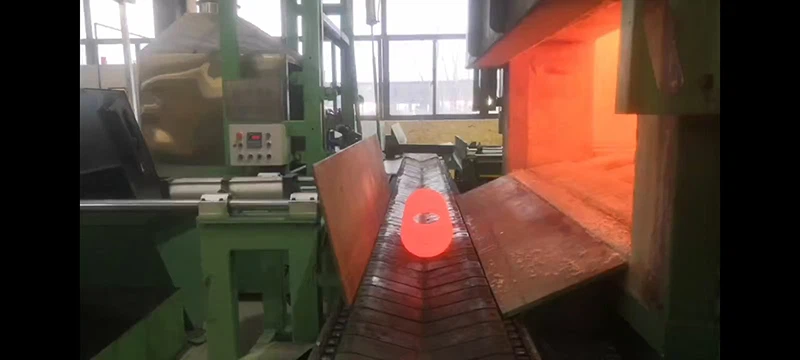
The Importance of Burner Efficiency
The efficiency of the burner is a critical factor in the operation of a holding furnace. A more efficient burner can reduce fuel consumption, lower operating costs, and minimize environmental impact.
To improve burner efficiency, several factors need to be considered. One of the most important factors is the air-fuel ratio. The air-fuel ratio determines the amount of air and fuel that is mixed together before combustion. A proper air-fuel ratio ensures complete combustion, which maximizes the heat output and minimizes the production of pollutants.
Another factor that affects burner efficiency is the burner design. Modern burners are designed to optimize the combustion process and improve heat transfer. For example, some burners use advanced combustion technologies, such as staged combustion or low-NOx combustion, to reduce emissions and improve efficiency.
Burner Control Systems
In addition to the burner itself, the control system is also an important part of the holding furnace. The control system regulates the burner operation to ensure that the furnace maintains the desired temperature.
The control system typically consists of a temperature sensor, a controller, and a fuel valve. The temperature sensor measures the temperature inside the furnace and sends a signal to the controller. The controller then adjusts the fuel valve to increase or decrease the fuel flow, depending on the temperature reading.
Modern control systems are often equipped with advanced features, such as programmable logic controllers (PLCs) and human-machine interfaces (HMIs). These features allow for more precise control of the burner operation and provide real-time monitoring and diagnostic capabilities.
The Role of Burners in Different Industries
The role of burners in holding furnaces varies depending on the industry and the specific application. Here are some examples of how burners are used in different industries:
1. Metalworking Industry
In the metalworking industry, holding furnaces are used to maintain the temperature of molten metal before it is cast or forged. The burner in the holding furnace must be able to provide a high heat output to keep the metal in a molten state.
The burner also plays an important role in the heat treatment of metals. Heat treatment processes, such as annealing, quenching, and tempering, require precise temperature control to achieve the desired mechanical properties of the metal. The burner must be able to maintain a consistent temperature throughout the heat treatment process.
2. Glass Manufacturing Industry
In the glass manufacturing industry, holding furnaces are used to keep the molten glass at a constant temperature before it is formed into various products. The burner in the holding furnace must be able to provide a uniform heat distribution to ensure that the glass has a consistent quality.
The burner also needs to be able to operate at high temperatures for extended periods of time. Glass manufacturing processes often require temperatures of up to 1500°C or higher.
3. Food Processing Industry
In the food processing industry, holding furnaces are used to cook, bake, or pasteurize food products. The burner in the holding furnace must be able to provide a controlled and uniform heat source to ensure that the food is cooked or processed evenly.
The burner also needs to meet strict safety and hygiene standards. Food processing equipment must be designed to prevent contamination and ensure the safety of the food products.
Conclusion
In conclusion, the burner is a crucial component of a holding furnace. It is responsible for generating the heat necessary to maintain the desired temperature inside the furnace and plays a vital role in ensuring the quality and efficiency of the manufacturing process.
As a [Your Company] supplier of Holding Furnaces, we understand the importance of choosing the right burner for your application. We offer a wide range of burners and control systems to meet the specific needs of our customers. Whether you are in the metalworking, glass manufacturing, or food processing industry, we can provide you with a high-quality holding furnace that is tailored to your requirements.
If you are interested in learning more about our Holding Furnace products or would like to discuss your specific needs, please feel free to contact us. Our team of experts is always ready to assist you with your procurement and technical questions. We look forward to the opportunity to work with you and help you achieve your manufacturing goals.
References
- "Industrial Furnaces: Principles, Design, and Operation" by John Doe
- "Burner Technology and Applications" by Jane Smith
- "Heat Treatment of Metals: Principles and Processes" by Robert Johnson