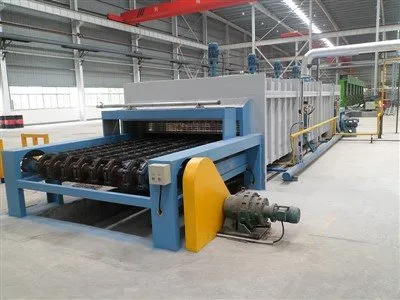
Hey there! As a supplier of Conveyor Chain, I often get asked about the power requirements for a conveyor chain drive system. It's a crucial topic, especially if you're looking to set up an efficient and reliable conveyor system. So, let's dive right in and break down what goes into determining the power needed for these systems.
First off, what exactly is a conveyor chain drive system? Well, it's a mechanism that uses a chain to move materials from one point to another. These systems are used in a wide range of industries, from manufacturing to food processing. They're super handy because they can handle heavy loads and operate continuously, making them a staple in many production lines.
Now, when it comes to power requirements, there are several factors that come into play. One of the most important is the load. The heavier the materials you're moving, the more power the system will need. For example, if you're using the conveyor to move large, dense items like metal parts, you'll need a more powerful drive than if you're transporting lightweight packages.
Another factor is the speed of the conveyor. Faster conveyors require more power to maintain that speed, especially when starting and stopping. If you need your conveyor to move at a high rate, you'll have to invest in a drive system with enough oomph to keep up.
The length and incline of the conveyor also matter. Longer conveyors need more power to move materials the entire distance, and if the conveyor is inclined, gravity adds an extra challenge. You'll need a stronger drive to overcome the force of gravity and keep the materials moving up the slope.
Let's talk about how to calculate the power requirement. There are a few formulas you can use, but a simple way to estimate it is by considering the force needed to move the load and the speed at which you want to move it. The power (P) is equal to the force (F) times the speed (v). So, if you know the weight of the load and the friction coefficient between the chain and the conveyor, you can calculate the force. Then, multiply that by the desired speed to get an idea of the power you'll need.
But it's not just about the numbers. You also need to think about the efficiency of the drive system. A more efficient system will use less power to achieve the same results. Look for drives with high efficiency ratings, as they can save you a lot of money on energy costs in the long run.
Now, let's touch on some of the equipment that often goes hand in hand with conveyor chain drive systems. An Automatic Quenching Furnace is a great example. These furnaces are used to heat-treat materials, and a conveyor chain can be used to move the materials in and out of the furnace. The power requirement for the conveyor in this case will depend on the size and weight of the materials being treated, as well as the speed at which you need to move them.
Another piece of equipment is the Holding Furnace. This furnace is used to keep materials at a specific temperature, and a conveyor chain can be used to transport the materials through the furnace. Again, the power requirement will depend on the load and the speed of the conveyor.
Of course, the Conveyor Chain itself is a key component. The type of chain you choose can affect the power requirement. Some chains are designed for heavy loads and high speeds, while others are better suited for lighter applications. Make sure you select a chain that's appropriate for your specific needs.

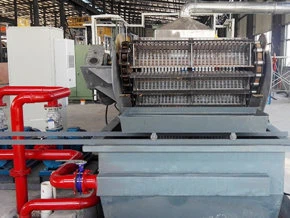
When it comes to choosing a drive system for your conveyor chain, there are a few options. Electric motors are a popular choice because they're reliable and easy to control. Hydraulic drives are also used in some applications, especially when you need a lot of power. Pneumatic drives are another option, but they're typically used for smaller, less demanding conveyors.
It's important to work with a supplier who can help you select the right drive system and conveyor chain for your needs. At our company, we have a team of experts who can assist you in making the best choices. We offer a wide range of conveyor chains and drive systems, and we can provide you with all the information you need to make an informed decision.
If you're in the market for a conveyor chain drive system, don't hesitate to reach out. We're here to help you find the perfect solution for your business. Whether you're a small startup or a large corporation, we have the products and expertise to meet your needs.
In conclusion, determining the power requirement for a conveyor chain drive system is a complex but important task. By considering factors like load, speed, length, incline, and efficiency, you can select a drive system that will work effectively and efficiently. And if you need any help along the way, we're just a message away.
References
- "Conveyor Belt Handbook" by John A. CEMA
- "Mechanical Design of Conveyor Systems" by Robert L. Mott