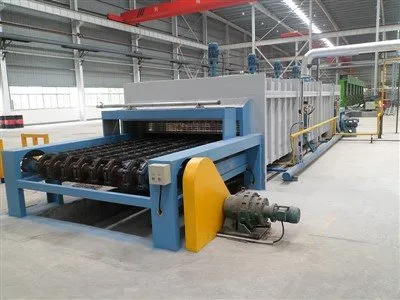
In the realm of industrial heating equipment, the Both Ends Heating Furnace stands out as a crucial component for various manufacturing processes. As a reputable supplier of Both Ends Heating Furnaces, I've witnessed firsthand the significance of understanding the heat loss rate of this remarkable piece of machinery. In this blog post, I'll delve into what the heat loss rate of a Both Ends Heating Furnace is, why it matters, and how it impacts your operations.
What is the Heat Loss Rate?
The heat loss rate of a Both Ends Heating Furnace refers to the amount of thermal energy that escapes from the furnace during its operation. This energy loss occurs through various mechanisms, including conduction, convection, and radiation. Conduction involves the transfer of heat through the furnace walls and structural components. Convection occurs when hot air inside the furnace rises and escapes through openings or gaps, while radiation is the emission of heat in the form of electromagnetic waves.


To quantify the heat loss rate, we typically measure it in units of power, such as kilowatts (kW) or British thermal units per hour (BTU/hr). A lower heat loss rate indicates that the furnace is more efficient at retaining heat, which translates to lower energy consumption and reduced operating costs.
Why Does the Heat Loss Rate Matter?
Understanding the heat loss rate of a Both Ends Heating Furnace is crucial for several reasons. Firstly, it directly affects the energy efficiency of the furnace. A furnace with a high heat loss rate will require more energy to maintain the desired temperature, leading to increased energy bills. By minimizing heat loss, you can significantly reduce your energy consumption and lower your carbon footprint.
Secondly, the heat loss rate impacts the performance and productivity of your manufacturing processes. In applications where precise temperature control is essential, such as heat treatment and annealing, excessive heat loss can result in inconsistent temperatures, leading to product defects and reduced quality. By ensuring a low heat loss rate, you can maintain a stable and uniform temperature inside the furnace, improving the quality and consistency of your products.
Finally, the heat loss rate can also affect the lifespan and maintenance requirements of the furnace. High heat loss can cause excessive wear and tear on the furnace components, leading to premature failure and increased maintenance costs. By reducing heat loss, you can extend the lifespan of the furnace and minimize downtime for repairs.
Factors Affecting the Heat Loss Rate
Several factors can influence the heat loss rate of a Both Ends Heating Furnace. These include:
- Insulation: The quality and thickness of the insulation used in the furnace play a crucial role in reducing heat loss. High-quality insulation materials, such as ceramic fiber blankets and refractory bricks, can effectively minimize heat transfer through the furnace walls.
- Sealing: Proper sealing of the furnace doors, joints, and other openings is essential to prevent hot air from escaping. Leaky seals can significantly increase the heat loss rate, so it's important to regularly inspect and maintain the seals to ensure a tight fit.
- Design: The design of the furnace can also impact the heat loss rate. A well-designed furnace will have a streamlined shape and efficient airflow patterns, minimizing heat loss through convection. Additionally, the placement of heating elements and temperature sensors can affect the distribution of heat inside the furnace, further influencing the heat loss rate.
- Operating Conditions: The operating conditions of the furnace, such as the temperature, pressure, and airflow rate, can also affect the heat loss rate. Higher temperatures and pressures generally result in increased heat loss, so it's important to optimize these parameters to minimize energy consumption.
Measuring and Monitoring the Heat Loss Rate
To effectively manage the heat loss rate of a Both Ends Heating Furnace, it's important to measure and monitor it regularly. There are several methods available for measuring the heat loss rate, including:
- Thermocouples: Thermocouples are temperature sensors that can be installed at various locations inside and outside the furnace to measure the temperature difference. By comparing the temperatures, you can calculate the heat transfer rate and estimate the heat loss.
- Heat Flux Sensors: Heat flux sensors measure the rate of heat transfer through a surface. By installing heat flux sensors on the furnace walls, you can directly measure the heat loss rate.
- Energy Audits: Energy audits involve a comprehensive assessment of the furnace's energy consumption and efficiency. An energy auditor will use a combination of measurements and calculations to determine the heat loss rate and identify opportunities for improvement.
Once you have measured the heat loss rate, it's important to monitor it over time to track any changes and identify potential issues. By implementing a regular monitoring program, you can detect and address problems early, ensuring the continued efficiency and performance of your furnace.
Improving the Heat Loss Rate
If you find that the heat loss rate of your Both Ends Heating Furnace is higher than desired, there are several steps you can take to improve it. These include:
- Upgrading the Insulation: Consider upgrading the insulation in your furnace to a higher-quality material or increasing the thickness of the insulation. This can significantly reduce heat transfer through the furnace walls and improve the energy efficiency.
- Sealing Leaks: Inspect the furnace doors, joints, and other openings for leaks and seal them using high-temperature sealants. This can prevent hot air from escaping and reduce the heat loss rate.
- Optimizing the Design: Review the design of your furnace and consider making any necessary modifications to improve the airflow patterns and reduce heat loss through convection. This may include adding baffles or changing the placement of heating elements.
- Maintaining the Furnace: Regular maintenance is essential to ensure the proper operation of your furnace and minimize heat loss. This includes cleaning the furnace, checking the seals, and replacing any worn or damaged components.
Our Both Ends Heating Furnaces
As a leading supplier of Both Ends Heating Furnaces, we understand the importance of heat loss rate and its impact on your operations. That's why our furnaces are designed and manufactured with the latest technology and high-quality materials to minimize heat loss and maximize energy efficiency.
Our Hardening Machine(oil Tank) is equipped with advanced insulation materials and sealing techniques to ensure a low heat loss rate. The furnace is also designed with a streamlined shape and efficient airflow patterns to minimize heat loss through convection.
In addition, our Stabilizer Bar Automatic Supply Machine and Automobile Stabilizer Bar Continuous Tempering Furnace are engineered to provide precise temperature control and uniform heating, further reducing heat loss and improving the quality of your products.
Contact Us for a Consultation
If you're interested in learning more about our Both Ends Heating Furnaces or need assistance with improving the heat loss rate of your existing furnace, please don't hesitate to contact us. Our team of experts is available to provide you with a consultation and help you find the best solution for your specific needs.
Investing in a high-quality Both Ends Heating Furnace with a low heat loss rate can significantly improve your energy efficiency, productivity, and product quality. Contact us today to start the conversation and take your manufacturing processes to the next level.
References
- Incropera, F. P., & DeWitt, D. P. (2002). Introduction to Heat Transfer. John Wiley & Sons.
- Holman, J. P. (2002). Heat Transfer. McGraw-Hill.
- ASHRAE Handbook: Fundamentals. (2009). American Society of Heating, Refrigerating and Air-Conditioning Engineers.