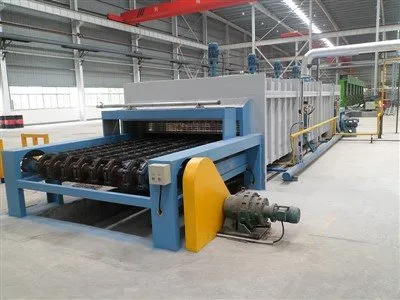
In the realm of forging, the choice between an electric and a fuel-fired forging furnace is a pivotal decision that can significantly impact the efficiency, cost, and environmental footprint of a forging operation. As a seasoned forging furnace supplier, I've witnessed firsthand the diverse needs and preferences of our clients, and I'm here to shed light on the key differences between these two types of furnaces.
Energy Source and Efficiency
The most fundamental difference between electric and fuel-fired forging furnaces lies in their energy sources. Electric furnaces rely on electrical power to generate heat, while fuel-fired furnaces use combustible fuels such as natural gas, propane, or oil. This distinction has a profound impact on the efficiency and cost of operation.
Electric furnaces are known for their high energy efficiency. They convert a large percentage of the electrical energy into heat, with minimal energy loss. This makes them an attractive option for operations where precise temperature control and energy conservation are paramount. Additionally, electric furnaces can be easily adjusted to meet the specific heating requirements of different forging processes, allowing for greater flexibility and control.
On the other hand, fuel-fired furnaces are typically less energy-efficient than their electric counterparts. The combustion process in these furnaces results in some energy loss in the form of exhaust gases and heat transfer to the surroundings. However, the cost of fuel is often lower than the cost of electricity, which can offset the lower efficiency in some cases. Fuel-fired furnaces are also capable of producing high temperatures quickly, making them suitable for applications that require rapid heating.
Temperature Control and Uniformity
Another important factor to consider when choosing between an electric and a fuel-fired forging furnace is temperature control and uniformity. Electric furnaces offer excellent temperature control, allowing for precise adjustment of the heating rate and temperature setpoint. This is particularly important for forging processes that require specific temperature profiles to achieve the desired material properties.

In addition, electric furnaces typically provide more uniform heating compared to fuel-fired furnaces. The heating elements in electric furnaces are evenly distributed throughout the furnace chamber, ensuring that the workpiece is heated evenly from all sides. This helps to minimize thermal gradients and reduce the risk of uneven deformation or cracking during the forging process.
Fuel-fired furnaces, on the other hand, may have some challenges in achieving precise temperature control and uniformity. The combustion process in these furnaces can result in temperature variations within the furnace chamber, especially in larger furnaces. However, advanced burner technologies and furnace designs can help to mitigate these issues and improve temperature control and uniformity.
Environmental Impact
In today's environmentally conscious world, the environmental impact of industrial processes is a growing concern. Electric furnaces are generally considered to be more environmentally friendly than fuel-fired furnaces. They produce no direct emissions during operation, as they do not burn any fuel. This makes them a preferred choice for operations that are subject to strict environmental regulations or for companies that are committed to reducing their carbon footprint.
Fuel-fired furnaces, on the other hand, emit pollutants such as carbon dioxide, nitrogen oxides, and particulate matter during the combustion process. These emissions can contribute to air pollution and have a negative impact on the environment and human health. However, modern fuel-fired furnaces are equipped with advanced emission control systems that can significantly reduce the amount of pollutants released into the atmosphere.
Initial Investment and Operating Costs
The initial investment and operating costs of electric and fuel-fired forging furnaces are also important considerations. Electric furnaces generally have a higher initial cost compared to fuel-fired furnaces. This is due to the cost of the electrical equipment and the installation of the electrical infrastructure required to power the furnace. However, the operating costs of electric furnaces are typically lower, as electricity is often more expensive on a per-unit basis but more efficient in terms of energy conversion.
Fuel-fired furnaces, on the other hand, have a lower initial cost but higher operating costs. The cost of fuel can vary depending on the type of fuel used and the market conditions, but it is generally higher than the cost of electricity on a per-unit basis. In addition, fuel-fired furnaces require regular maintenance and servicing to ensure proper operation and to prevent emissions of pollutants.
Application and Suitability
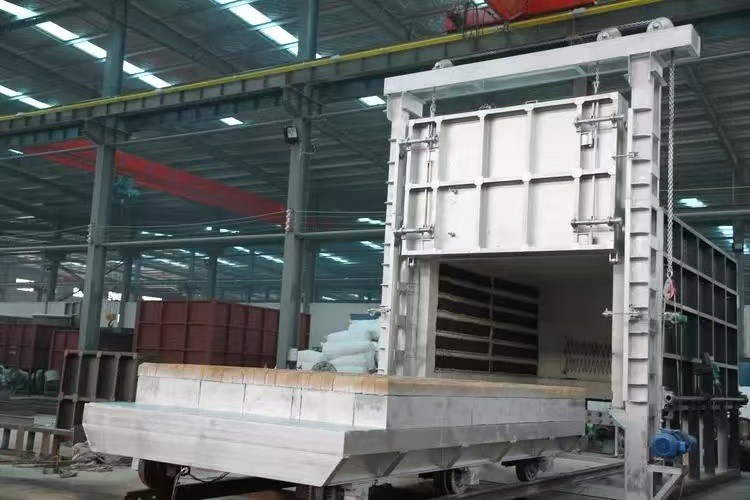
The choice between an electric and a fuel-fired forging furnace also depends on the specific application and requirements of the forging operation. Electric furnaces are well-suited for applications that require precise temperature control, uniform heating, and low emissions. They are commonly used in the production of high-quality forgings, such as aerospace components, automotive parts, and medical devices.
Fuel-fired furnaces, on the other hand, are more suitable for applications that require high temperatures and rapid heating. They are commonly used in the production of large forgings, such as shafts, gears, and structural components. Fuel-fired furnaces are also a good choice for operations that have access to a reliable and cost-effective source of fuel.
Conclusion
In conclusion, the choice between an electric and a fuel-fired forging furnace depends on a variety of factors, including energy efficiency, temperature control, environmental impact, initial investment, operating costs, and application suitability. As a forging furnace supplier, we understand the unique needs and requirements of our clients, and we are committed to providing them with the best possible solutions. Whether you are looking for a high-efficiency electric furnace or a powerful fuel-fired furnace, we have the expertise and experience to help you make the right choice.
If you are interested in learning more about our forging furnaces or have any questions about the selection process, please do not hesitate to [contact us for a detailed consultation]. We look forward to working with you to meet your forging needs.
References
- ASM Handbook, Volume 14A: Metalworking: Forging. ASM International, 2013.
- Campbell, J. D. (2003). Principles of Materials Selection for Engineering Design. Butterworth-Heinemann.
- Lindberg, F. (1996). Industrial Furnaces: Principles, Design, and Operation. John Wiley & Sons.