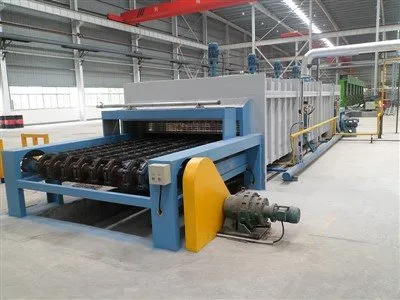
Hey there! As a supplier of Holding Furnaces, I often get asked about the data logging function of these nifty pieces of equipment. So, I thought I'd sit down and write this blog to break it all down for you.
First off, let's understand what a holding furnace is. A Holding Furnace is used to keep materials at a specific temperature for a set period. It's super important in industries where precise temperature control is key, like metalworking. You know, when you're dealing with metals, a slight temperature change can mess up the whole process. That's where a holding furnace comes in handy.
Now, let's talk about the data logging function. Data logging is like having a super detailed diary for your furnace. It records all sorts of information about the furnace's operation over time. This includes things like temperature, pressure, and sometimes even the duration of specific processes.
One of the main benefits of data logging in a holding furnace is quality control. By keeping track of the temperature, you can ensure that the materials inside the furnace are being treated at the right temperature for the right amount of time. This is crucial for getting consistent results. For example, in the metalworking industry, if you're tempering a metal, the temperature and time are critical factors that determine the final properties of the metal, like its hardness and strength. With data logging, you can easily prove that you've met the required standards.
Another advantage is troubleshooting. If something goes wrong with the furnace, the data log can be a goldmine of information. You can look back at the recorded data to see if there were any abnormal temperature spikes or drops, or if the pressure was off. This can help you figure out what went wrong and how to fix it. For instance, if you notice a sudden drop in temperature, you can check if there was a problem with the heating element or if there was a leak in the furnace.
Data logging also helps with maintenance. By analyzing the data over time, you can spot trends and patterns. For example, if you notice that the temperature fluctuations are getting more frequent, it might be a sign that the insulation in the furnace is wearing out. This allows you to schedule maintenance before a major breakdown occurs, saving you time and money in the long run.
Now, let's take a closer look at how the data logging function works. Most modern holding furnaces come with built - in data loggers. These loggers are connected to sensors inside the furnace that measure temperature, pressure, and other relevant parameters. The data is then stored in a memory device, which can be a hard drive, a flash drive, or even a cloud - based storage system.
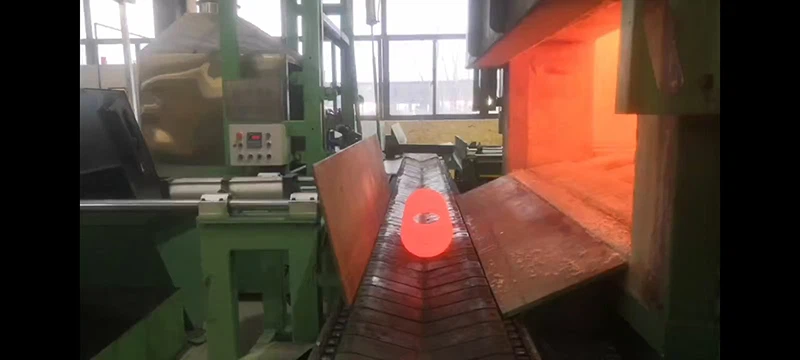
The data can be accessed in different ways. Some furnaces have a display panel where you can view the real - time data and also access the historical records. You can also connect the furnace to a computer via a USB cable or a network connection. This allows you to use specialized software to analyze the data in more detail. You can create graphs and charts to visualize the temperature trends, for example.
In addition to the basic data logging functions, some holding furnaces offer more advanced features. For example, you can set up alerts. If the temperature goes above or below a certain threshold, the furnace can send an alert to your phone or email. This is really useful, especially if you're not always in the vicinity of the furnace.

When it comes to choosing a holding furnace with a good data logging function, there are a few things to consider. First, you want to make sure that the data logger has a high level of accuracy. After all, if the data is inaccurate, it's not going to be much use. You also want to check the storage capacity. If you're going to be logging data for a long time, you'll need enough space to store it all.
Another important factor is the ease of use. The data logging system should be user - friendly, with a simple interface that allows you to access and analyze the data without a steep learning curve. And of course, you want to look for a reliable brand. As a supplier, I can tell you that investing in a high - quality holding furnace is always a good idea.
Now, I know what you might be thinking. "This all sounds great, but what if I need other types of furnaces?" Well, we also offer Continuous Tempering Furnace and Automatic Quenching Furnace. These furnaces also come with advanced features and data logging capabilities to meet your specific needs.
If you're in the market for a holding furnace or any of our other products, I'd love to have a chat with you. Whether you're a small business just starting out or a large industrial company, we can find the right solution for you. Contact us to start a discussion about your requirements and how our furnaces can fit into your production process. We're here to help you get the most out of your equipment and ensure the success of your operations.
References
- "Industrial Furnaces: Principles, Design, and Operation" by Various Authors
- Manufacturer's Manuals for Holding Furnaces, Continuous Tempering Furnaces, and Automatic Quenching Furnaces.