Hey there! As a supplier of Holding Furnaces, I often get asked about the corrosion resistance of these nifty pieces of equipment. So, I thought I'd take a deep dive into what corrosion resistance means for a Holding Furnace and why it's so crucial.
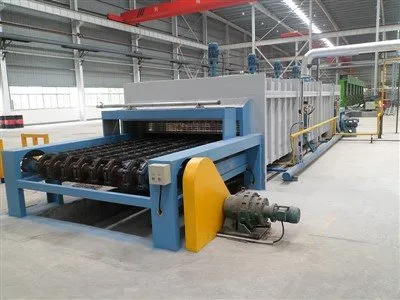
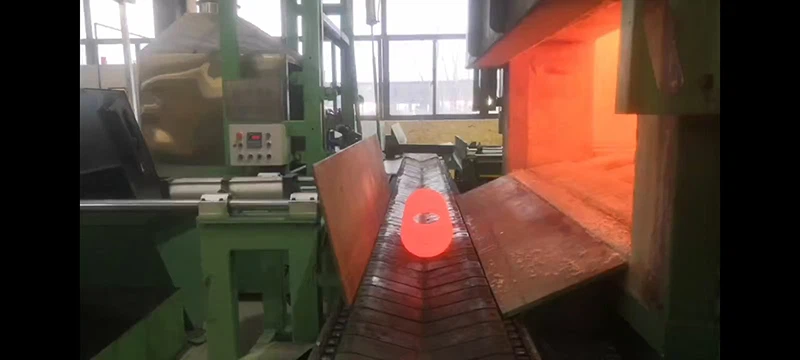
First off, let's talk about what a Holding Furnace is. It's a type of furnace that's used to keep molten metal at a specific temperature for a set period. This is super important in industries like metal casting, where you need the metal to be in a consistent state for proper molding and shaping. You can check out more about our Holding Furnace on our website.
Now, corrosion is a big deal when it comes to furnaces. It's basically the deterioration of a material, usually metal, due to chemical reactions with its environment. In the case of a Holding Furnace, the environment is often pretty harsh. You've got high temperatures, molten metals, and sometimes even corrosive gases. All of these factors can take a toll on the furnace's components over time.
So, what makes a Holding Furnace corrosion-resistant? Well, it starts with the materials used in its construction. High-quality alloys are often the go-to choice. These alloys are designed to withstand the extreme conditions inside the furnace. For example, some alloys contain elements like chromium, nickel, and molybdenum. Chromium forms a thin, protective oxide layer on the surface of the metal, which helps prevent further corrosion. Nickel improves the alloy's resistance to high temperatures and certain corrosive substances. And molybdenum enhances the alloy's strength and corrosion resistance in acidic environments.
Another important factor is the design of the furnace. A well-designed Holding Furnace will have features that minimize the exposure of its components to corrosive elements. For instance, it might have a lining made of refractory materials. These materials are highly resistant to heat and corrosion, and they act as a barrier between the molten metal and the furnace's structural components. The lining also helps to maintain a more stable temperature inside the furnace, which can reduce the stress on the materials and further prevent corrosion.
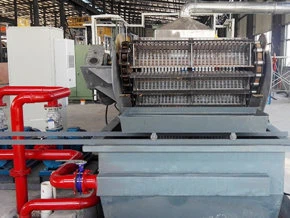
Proper maintenance is also key to ensuring the long-term corrosion resistance of a Holding Furnace. Regular inspections can help identify any signs of corrosion early on, so you can take action before it becomes a major problem. This might involve cleaning the furnace, checking the integrity of the lining, and replacing any worn or damaged components. It's also important to follow the manufacturer's guidelines for operating the furnace, as improper use can increase the risk of corrosion.
Let's take a look at some of the benefits of having a corrosion-resistant Holding Furnace. First of all, it means a longer lifespan for the furnace. When the components are protected from corrosion, they're less likely to fail prematurely, which can save you a lot of money in the long run. You won't have to replace parts as often, and you'll avoid the downtime that comes with furnace repairs.
Secondly, a corrosion-resistant furnace can improve the quality of your products. Since the furnace is able to maintain a more stable environment, the molten metal will be in a better state for casting. This can result in fewer defects in your finished products, which can lead to higher customer satisfaction and increased sales.
In addition to the Holding Furnace, we also offer other types of furnaces, such as the Automatic Quenching Furnace and the Continuous Tempering Furnace. These furnaces also require good corrosion resistance to ensure their optimal performance.
If you're in the market for a Holding Furnace or any of our other furnace products, I encourage you to get in touch with us. We've got a team of experts who can help you choose the right furnace for your specific needs and answer any questions you might have about corrosion resistance or other aspects of furnace operation. Whether you're a small business or a large industrial operation, we're here to provide you with high-quality, reliable furnace solutions.
In conclusion, the corrosion resistance of a Holding Furnace is a critical factor that can have a big impact on its performance and longevity. By using high-quality materials, proper design, and regular maintenance, you can ensure that your furnace will stand up to the harsh conditions of your industry. So, don't hesitate to reach out to us if you're interested in learning more about our corrosion-resistant Holding Furnaces and how they can benefit your business.
References
- ASM Handbook Volume 13A: Corrosion: Fundamentals, Testing, and Protection
- Perry's Chemical Engineers' Handbook