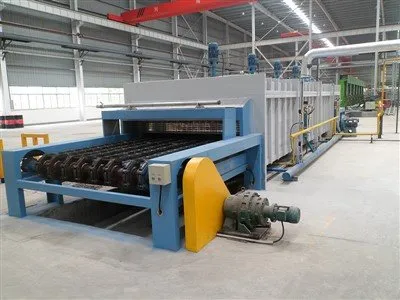
In the fast - paced world of the printing industry, efficiency and reliability are of utmost importance. One crucial component that often goes unnoticed but plays a significant role in the smooth operation of printing processes is the conveyor chain. As a reputable Conveyor Chain supplier, I am here to shed light on what conveyor chains for the printing industry are, their functions, types, and why they are indispensable.
What is a Conveyor Chain for the Printing Industry?
A conveyor chain in the printing industry is a mechanical device used to transport printed materials, such as papers, cardboard, or labels, from one stage of the printing process to another. It consists of a series of interconnected links that move in a continuous loop, powered by a motor. These chains are designed to handle the specific requirements of the printing environment, including high - speed operation, precision movement, and the ability to carry various types of printed products.
Functions of Conveyor Chains in the Printing Industry
- Material Transportation: The primary function of a conveyor chain in the printing industry is to move printed materials between different machines. For example, it can transfer sheets of paper from a printing press to a cutting machine or from a drying unit to a stacking area. This continuous movement ensures that the production process flows smoothly, reducing downtime and increasing productivity.
- Precision Alignment: Conveyor chains are engineered to provide precise alignment of printed materials. This is crucial in the printing industry, where accurate positioning is required for tasks such as multi - color printing and die - cutting. The chains ensure that each piece of material is placed exactly where it needs to be, resulting in high - quality printed products.
- Buffering and Accumulation: In some cases, conveyor chains can be used to buffer or accumulate printed materials. For instance, if there is a delay in the next stage of the production process, the chain can hold the materials temporarily without causing a bottleneck. This flexibility allows for a more efficient use of resources and better management of the production line.
Types of Conveyor Chains for the Printing Industry
- Roller Chains: Roller chains are one of the most common types of conveyor chains used in the printing industry. They consist of a series of rollers connected by pins and bushings. Roller chains are known for their high strength, durability, and smooth operation. They can handle heavy loads and are suitable for high - speed applications. For example, in large - scale printing presses, roller chains are often used to transport large sheets of paper.
- Slat Chains: Slat chains are made up of flat slats connected by pins. These chains are ideal for transporting flat or irregularly shaped printed materials. The slats provide a stable surface for the materials to rest on, preventing them from slipping or shifting during transportation. Slat chains are commonly used in applications where gentle handling of printed materials is required, such as in the packaging of delicate labels.
- Plastic Chains: Plastic chains are becoming increasingly popular in the printing industry due to their lightweight, corrosion - resistant, and low - noise properties. They are suitable for applications where cleanliness is a concern, such as in the printing of food packaging materials. Plastic chains can also be customized to fit specific requirements, such as different widths and lengths.
Advantages of Using Conveyor Chains in the Printing Industry
- Increased Productivity: By automating the material transportation process, conveyor chains significantly increase the productivity of printing operations. They can move materials much faster than manual labor, allowing for more printed products to be produced in a shorter period.
- Improved Quality: The precise alignment and movement provided by conveyor chains result in higher - quality printed products. There is less chance of misalignment, smudging, or damage to the materials during transportation, ensuring that the final output meets the highest standards.
- Cost - Efficiency: Although the initial investment in a conveyor chain system may be significant, in the long run, it can lead to cost savings. Conveyor chains reduce the need for manual labor, which can be expensive and prone to errors. Additionally, they require less maintenance compared to other types of conveying systems, further reducing operating costs.
Applications of Conveyor Chains in the Printing Industry
- Printing Presses: Conveyor chains are used in printing presses to transport paper or other printing substrates through the various stages of the printing process. They ensure that the materials are fed into the press at the correct speed and alignment, resulting in consistent and high - quality prints.
- Finishing Operations: After printing, conveyor chains are used in finishing operations such as cutting, folding, and binding. They move the printed materials to the appropriate machines, allowing for efficient and accurate finishing.
- Packaging: In the packaging stage of the printing industry, conveyor chains are used to transport printed products to the packaging machines. They can handle different types of packaging materials, such as boxes, envelopes, and bags, ensuring that the products are packaged securely and efficiently.
Importance of Choosing the Right Conveyor Chain Supplier
As a Conveyor Chain supplier, I understand the importance of providing high - quality products that meet the specific needs of the printing industry. When choosing a conveyor chain supplier, it is essential to consider the following factors:
- Experience and Expertise: Look for a supplier with extensive experience in the printing industry. An experienced supplier will have a better understanding of the unique requirements of the printing process and can recommend the most suitable conveyor chain for your application.
- Product Quality: The quality of the conveyor chain is crucial for its performance and longevity. A reliable supplier will use high - quality materials and advanced manufacturing processes to ensure that the chains are durable and reliable.
- Customization Options: Every printing operation is different, and you may require a conveyor chain that is customized to fit your specific needs. A good supplier should be able to offer customization options, such as different chain sizes, materials, and attachments.
Related Equipment in the Printing Industry
In addition to conveyor chains, there are other important pieces of equipment in the printing industry. For example, the Helical Spring Stepping Quenching Furnace is used for heat - treating components to improve their strength and durability. The Continuous Tempering Furnace is another essential piece of equipment that helps in the tempering process, which is crucial for achieving the desired mechanical properties of the materials. And of course, our Conveyor Chain is an integral part of the overall production line, working in harmony with these other equipment to ensure a seamless printing process.
Conclusion
Conveyor chains are an essential component of the printing industry, playing a vital role in the transportation, alignment, and accumulation of printed materials. They offer numerous advantages, including increased productivity, improved quality, and cost - efficiency. As a Conveyor Chain supplier, I am committed to providing high - quality products and excellent service to meet the diverse needs of the printing industry.

If you are in the printing industry and are looking for a reliable conveyor chain solution, I encourage you to reach out to us. We can provide you with detailed information about our products, offer customized solutions, and assist you in choosing the right conveyor chain for your specific application. Let's work together to enhance the efficiency and quality of your printing operations.
References
- "Conveyor Technology Handbook" by Christopher J. Niebel
- "Printing Technology: Principles and Practices" by John C. D. Meehan