What is the conveyor chain for food processing industry?
In the dynamic landscape of the food processing industry, conveyor chains play a pivotal role. As a seasoned conveyor chain supplier, I've witnessed firsthand how these unassuming yet critical components are the backbone of efficient food production lines.
Understanding Conveyor Chains in the Food Processing Industry
Conveyor chains are mechanical devices used to transport food products from one stage of the processing line to another. They are designed to move items smoothly, consistently, and in a controlled manner. The food processing industry has unique requirements for conveyor chains due to the nature of the products being handled.
Types of Conveyor Chains
There are several types of conveyor chains commonly used in food processing. One of the most prevalent is the roller chain. Roller chains consist of a series of interconnected links with rollers between them. These rollers reduce friction as the chain moves along the sprockets, allowing for efficient power transmission. They are suitable for a wide range of food products, from small items like nuts and candies to larger items such as loaves of bread.
Another type is the plastic modular belt chain. These chains are made up of individual plastic modules that are interlocked to form a continuous belt. Plastic modular belt chains are highly customizable, allowing for different configurations and widths. They are also easy to clean, which is a crucial factor in the food processing industry to maintain hygiene standards.
Key Features and Requirements
When it comes to the food processing industry, conveyor chains must meet specific features and requirements. Hygiene is of utmost importance. Conveyor chains need to be made from materials that are resistant to corrosion, easy to clean, and non - toxic. Stainless steel is a popular choice as it can withstand the harsh cleaning chemicals used in food processing facilities and does not contaminate the food products.
In addition to hygiene, conveyor chains need to be durable. The food processing environment can be demanding, with chains often operating continuously for long periods. They must be able to withstand the weight of the food products, as well as any mechanical stresses associated with the conveyor system.


Precision is also a key requirement. Conveyor chains need to move food products accurately to ensure proper processing. For example, in a packaging line, the chain must deliver the food items to the packaging machine at the right time and in the correct position.
Applications of Conveyor Chains in Food Processing
Conveyor chains are used in various stages of the food processing cycle. In the raw material handling stage, they are used to transport ingredients such as grains, fruits, and vegetables from storage areas to the processing equipment. For instance, a roller chain conveyor can move large bags of flour from a storage silo to a mixer.
During the processing stage, conveyor chains play a crucial role in moving food products through different machines. In a baking facility, a plastic modular belt chain can carry dough through an oven for baking. The chain needs to maintain a consistent speed to ensure even baking of the products.
In the packaging stage, conveyor chains are used to transport finished food products to the packaging machines. They ensure that the products are presented in an orderly manner for packaging. For example, a chain conveyor can move cans of soup to a labeling and sealing machine.
Quality Assurance and Manufacturing Process
As a conveyor chain supplier, we take quality assurance very seriously. Our manufacturing process starts with the selection of high - quality materials. For stainless steel chains, we source the steel from reliable suppliers who meet strict quality standards.
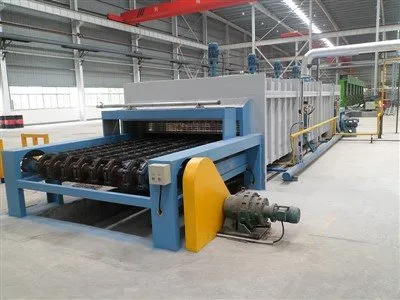
The manufacturing process involves precision machining and heat treatment. For example, the links of the chain are cut and shaped to exact specifications using advanced machining tools. After that, they undergo heat treatment processes to enhance their strength and durability. We use equipment such as the Helical Spring Stepping Quenching Furnace for precise quenching, which helps in achieving the desired hardness and toughness of the chain components.
We also use a Continuous Tempering Furnace to relieve stress and improve the ductility of the chain. This ensures that the chain can withstand the rigors of continuous operation in the food processing environment. And an Automatic Quenching Furnace is used to automate the quenching process, ensuring consistency in the quality of the chains.
After the manufacturing process, each conveyor chain undergoes a series of quality checks. We test the chain for its strength, flexibility, and corrosion resistance. Only chains that meet our strict quality standards are released for sale.
Advantages of Choosing Our Conveyor Chains
When food processing companies choose our conveyor chains, they can expect several advantages. Firstly, our chains are designed to meet the specific needs of the food processing industry. They are made from high - quality, food - grade materials that ensure hygiene and durability.
Secondly, we offer a high level of customization. We understand that different food processing facilities have different requirements, and we can tailor our conveyor chains to fit those needs. Whether it's a specific length, width, or configuration, we can provide a solution.
Thirdly, our after - sales service is second to none. We have a team of experienced technicians who can provide installation support, maintenance advice, and replacement parts. This ensures that our customers' conveyor systems operate smoothly and efficiently.
Contact for Procurement and Collaboration
If you are in the food processing industry and are looking for reliable conveyor chains, we would be delighted to hear from you. Our team of experts can work with you to understand your specific requirements and provide the best conveyor chain solutions. Whether you are setting up a new food processing line or upgrading an existing one, we have the products and expertise to meet your needs.
References
- "Food Processing Technology: Principles and Practice" by Peter Fellows.
- "Conveyor Technology Handbook" by CEMA (Conveyor Equipment Manufacturers Association).