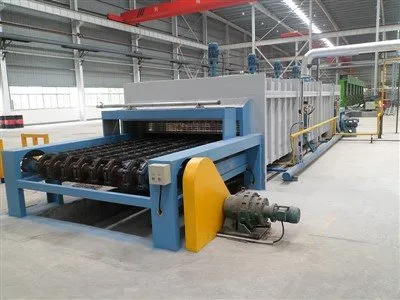
Hey there! I'm a supplier of Stabilizer Bar Molding Machines. If you're in the business of making stabilizer bars, you know that pickling is a crucial step. It helps clean the bars, remove impurities, and prepare them for further processing. In this blog, I'll talk about the different pickling options for the stabilizer bars produced by our Stabilizer Bar Molding Machine.
First off, let's understand what pickling is. It's a chemical process where the stabilizer bars are immersed in a pickling solution to remove scale, rust, and other surface contaminants. This not only improves the appearance of the bars but also enhances their corrosion resistance and adhesion properties for subsequent coating or painting.
Acid Pickling
One of the most common pickling options is acid pickling. There are different types of acids that can be used, and each has its own pros and cons.
Hydrochloric Acid Pickling
Hydrochloric acid (HCl) is a popular choice for pickling stabilizer bars. It's relatively fast - acting and can quickly dissolve iron oxides and scale. The reaction between hydrochloric acid and the metal surface is pretty straightforward. The acid reacts with the iron oxide (rust) to form iron chloride and water.
The advantage of using hydrochloric acid is its high pickling efficiency. It can remove thick layers of scale in a short period. However, it also has some drawbacks. Hydrochloric acid is highly corrosive and can be dangerous to handle. It also releases toxic fumes, so proper ventilation is a must. And if the pickling time is not controlled properly, it can over - pickle the bars, leading to excessive metal loss.

Sulfuric Acid Pickling
Sulfuric acid (H₂SO₄) is another option. It's less volatile than hydrochloric acid, which means it's a bit safer to handle in terms of fume emission. Sulfuric acid pickling is often used when dealing with mild steel stabilizer bars.
The pickling process with sulfuric acid is a bit slower compared to hydrochloric acid. But it can be more cost - effective in the long run, especially for large - scale production. One thing to note is that sulfuric acid can form a sulfate layer on the surface of the bars, which may require additional rinsing steps to remove.
Electrochemical Pickling
Apart from acid pickling, electrochemical pickling is also an option. This method uses an electric current to enhance the pickling process. The stabilizer bars are placed in an electrolytic cell, where they act as an electrode.
The main advantage of electrochemical pickling is that it provides more precise control over the pickling process. It can selectively remove contaminants without causing excessive metal loss. Also, it can be more environmentally friendly as it reduces the use of strong acids. However, it requires specialized equipment and a certain level of technical expertise to operate.
Pickling in Relation to Our Equipment
Now, let's talk about how our Stabilizer Bar Molding Machine fits into all this. Our Stabilizer Bar Molding Machine produces high - quality stabilizer bars with a smooth surface finish. But before they can be used in the final application, pickling is necessary.
The bars produced by our machine are well - formed, which means they have a more uniform surface for pickling. This makes the pickling process more efficient and consistent. Whether you choose acid pickling or electrochemical pickling, the stabilizer bars from our machine will give you better results.
Moreover, we also offer related equipment that can work in tandem with the pickling process. For example, our Both Ends Heating Furnace can pre - heat the stabilizer bars before pickling. Pre - heating can improve the pickling efficiency as it helps to loosen the scale and make it easier for the pickling solution to penetrate.
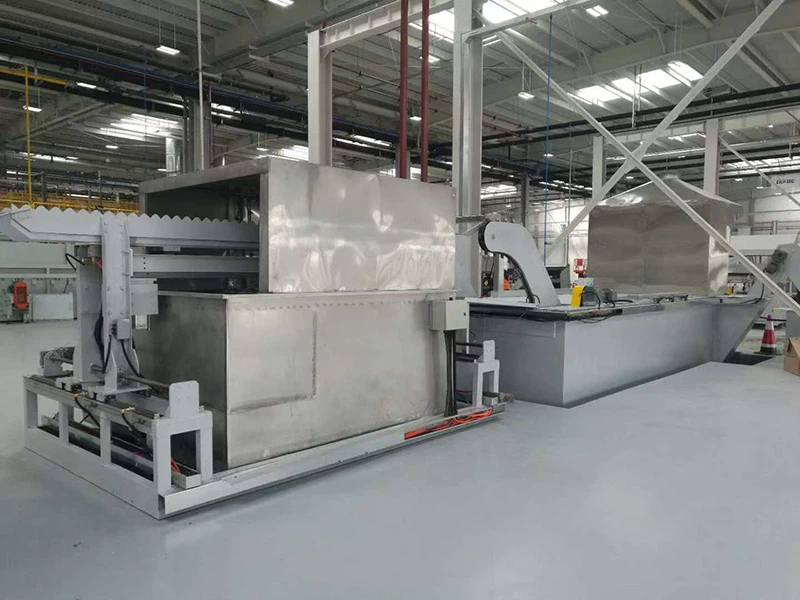
And our Stabilizer Bar Automatic Supply Machine ensures a continuous and smooth supply of stabilizer bars to the pickling tank. This helps to streamline the production process and increase overall productivity.
Choosing the Right Pickling Option
When it comes to choosing the right pickling option for your stabilizer bars, there are several factors to consider.
Production Volume
If you have a high - volume production, you might want to go for a faster - acting pickling method like hydrochloric acid pickling. It can keep up with the production pace. On the other hand, if your production volume is relatively low, sulfuric acid pickling or electrochemical pickling might be more suitable as they offer better control and can be more cost - effective for smaller batches.
Bar Material
The type of material of the stabilizer bars also matters. Different metals react differently to pickling solutions. For example, stainless steel stabilizer bars may require a different pickling solution compared to carbon steel bars. You need to choose a pickling option that is compatible with the specific material of your bars.
Environmental Regulations
Environmental regulations play a big role in the pickling process. Some acids, like hydrochloric acid, can have a significant environmental impact if not handled properly. If you're operating in an area with strict environmental regulations, you may need to opt for a more environmentally friendly pickling method, such as electrochemical pickling.
Conclusion
In conclusion, there are several pickling options available for the stabilizer bars produced by our Stabilizer Bar Molding Machine. Acid pickling with hydrochloric or sulfuric acid is a common and effective method, but it comes with its own challenges. Electrochemical pickling offers more control and environmental benefits.
When choosing the right pickling option, you need to consider factors like production volume, bar material, and environmental regulations. Our company not only provides high - quality Stabilizer Bar Molding Machines but also related equipment that can enhance the pickling process.
If you're interested in learning more about our machines or have any questions regarding pickling options for stabilizer bars, feel free to reach out. We're always here to help you make the best choice for your production needs. Let's start a conversation and see how we can work together to improve your stabilizer bar production process.
References
- ASM Handbook, Volume 2: Properties and Selection: Nonferrous Alloys and Special - Purpose Materials.
- Metals Handbook: Corrosion, Volume 13A.
- Industrial Electrochemistry: Principles and Applications by K. K. S. Pillai.