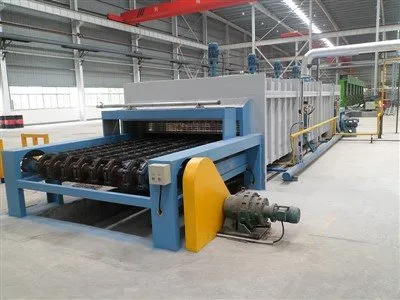
As a mechanical equipment supplier, I understand the critical role that lubricants play in the performance and longevity of different types of machinery. Lubricants are not just simple fluids; they are the lifeblood of mechanical systems, reducing friction, preventing wear and tear, and dissipating heat. In this blog, I will discuss the various types of lubricants suitable for different mechanical equipments.
1. Lubricants for Trolley Heating Furnace
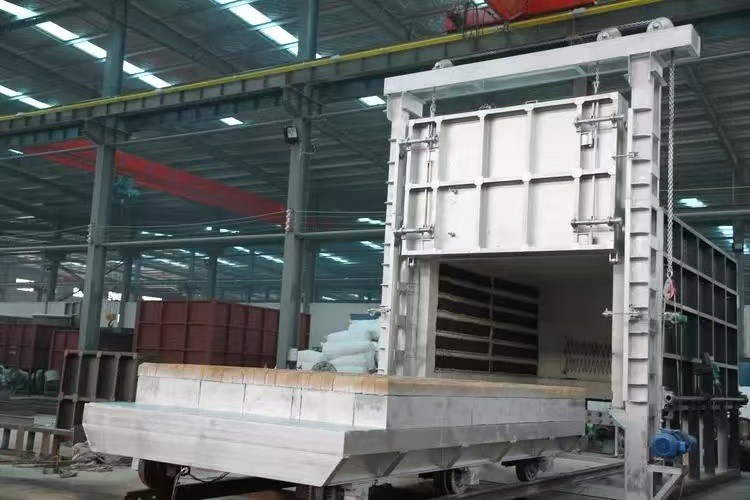
The Trolley Heating Furnace is a specialized piece of equipment used in heat treatment processes. It operates under high - temperature conditions, which means the lubricants used must be able to withstand extreme heat without breaking down.
High - Temperature Greases
High - temperature greases are ideal for the moving parts of a trolley heating furnace, such as the wheels and the trolley's drive mechanism. These greases are formulated with special additives that can resist oxidation and maintain their consistency at elevated temperatures. For example, silicone - based greases are known for their excellent high - temperature stability. They can operate at temperatures up to 200 - 300°C without losing their lubricating properties.
Synthetic Oils
Synthetic oils are another great option for trolley heating furnaces. They have a higher viscosity index compared to mineral oils, which means they can maintain a more stable viscosity over a wide range of temperatures. Polyalphaolefin (PAO) synthetic oils are commonly used in high - temperature applications. They offer good thermal and oxidative stability, as well as excellent anti - wear properties. This helps to reduce friction between the moving parts of the furnace, extending the lifespan of the equipment and improving its overall efficiency.
2. Lubricants for Melting Furnace
The Melting Furnace is used to melt metals and alloys. It is subjected to extremely high temperatures and harsh operating conditions.
Molten Salt Lubricants
In some high - temperature melting furnaces, molten salt lubricants can be used. These lubricants are in a liquid state at high temperatures and can provide excellent lubrication for the furnace's internal components. They have good thermal conductivity, which helps to dissipate heat from the moving parts. However, they require special handling and storage due to their corrosive nature.
Graphite - Based Lubricants
Graphite - based lubricants are also suitable for melting furnaces. Graphite has a layered structure that allows it to provide lubrication even at very high temperatures. It can be used in the form of a dry powder or a grease. Graphite lubricants are resistant to oxidation and can reduce friction between the furnace's refractory lining and the moving parts, preventing damage to the lining and improving the efficiency of the melting process.
3. Lubricants for Hot Air Drying Furnace
The Hot Air Drying Furnace is used to dry various materials using hot air. It has different lubrication requirements compared to heating and melting furnaces.
Mineral Oils
Mineral oils are commonly used in hot air drying furnaces. They are relatively inexpensive and can provide adequate lubrication for the fans, motors, and other moving parts of the furnace. Mineral oils have good lubricating properties at moderate temperatures, which are typical in hot air drying processes. However, they may require more frequent changes compared to synthetic oils due to their lower thermal stability.
Ester - Based Lubricants
Ester - based lubricants are a more advanced option for hot air drying furnaces. They have excellent biodegradability and good thermal and oxidative stability. Ester oils can form a strong lubricating film on the surface of the moving parts, reducing friction and wear. They are also less likely to cause deposits and sludge buildup, which can improve the reliability of the furnace.

4. General - Purpose Lubricants for Mechanical Equipment
In addition to the specialized lubricants for specific furnaces, there are also general - purpose lubricants that can be used in a wide range of mechanical equipment.
Multi - Purpose Greases
Multi - purpose greases are designed to provide lubrication in various applications. They typically contain a mixture of base oils and additives to offer good anti - wear, anti - corrosion, and extreme - pressure properties. These greases can be used in bearings, gears, and other small moving parts of mechanical equipment.
Hydraulic Oils
Hydraulic oils are used in hydraulic systems, which are common in many mechanical equipments. They not only provide lubrication but also transmit power within the hydraulic system. Hydraulic oils need to have good viscosity control, anti - foam properties, and anti - wear characteristics to ensure the smooth operation of the hydraulic components.
5. Factors to Consider When Choosing Lubricants
When selecting the appropriate lubricant for a mechanical equipment, several factors should be taken into account:
Temperature
As mentioned earlier, the operating temperature of the equipment is a crucial factor. High - temperature applications require lubricants with good thermal stability, while low - temperature applications need lubricants that remain fluid at cold temperatures.
Load
The load that the equipment has to bear also affects the choice of lubricant. Heavy - load applications require lubricants with high - pressure additives to prevent metal - to - metal contact and reduce wear.
Speed
The speed of the moving parts is another consideration. High - speed applications need lubricants with low viscosity to reduce drag, while low - speed applications can use lubricants with higher viscosity for better film formation.
Environment
The environment in which the equipment operates is also important. If the equipment is exposed to moisture, dust, or chemicals, the lubricant should have good anti - corrosion and anti - contamination properties.
Conclusion
Choosing the right lubricant for different mechanical equipments is essential for ensuring their optimal performance and longevity. As a mechanical equipment supplier, I always recommend that our customers pay close attention to the lubrication requirements of their equipment. By using the appropriate lubricants, they can reduce maintenance costs, improve equipment efficiency, and avoid unexpected breakdowns.
If you are interested in our mechanical equipments or need more information about lubrication solutions, please feel free to contact us for procurement and negotiation. We are committed to providing you with the best products and services.
References
- "Lubrication Fundamentals" by John W. Dawson
- "Handbook of Lubrication and Tribology: Volume 1 - Application and Practice" edited by Bhushan Bharat
- Technical literature from major lubricant manufacturers such as ExxonMobil and Shell.