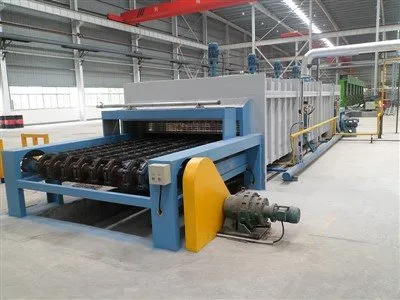
Hey there! As a supplier of Trolley Heating Furnaces, I often get asked about the installation requirements for these nifty pieces of equipment. So, I thought I'd put together a blog post to give you the lowdown on what you need to know before installing a trolley heating furnace.

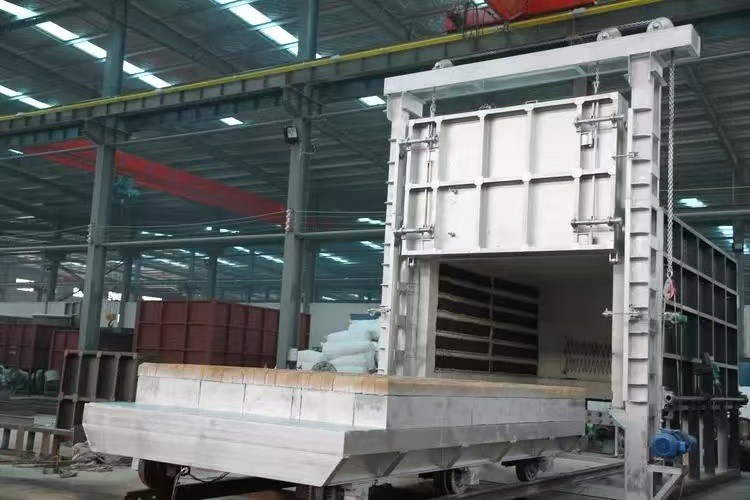
First off, let's talk about the location. The location where you plan to install your trolley heating furnace is crucial. It needs to be a well-ventilated area. Why? Well, these furnaces generate a fair amount of heat and sometimes release gases during operation. A poorly ventilated space can lead to a buildup of heat and harmful gases, which is not only dangerous but can also damage the furnace over time.
The floor in the installation area should be flat and sturdy. Trolley heating furnaces are heavy pieces of machinery, and an uneven or weak floor can cause the furnace to tilt or even collapse. You don't want that! Make sure the floor can handle the weight of the furnace, including the load it will carry when in use.
Now, let's get into the electrical requirements. These furnaces run on electricity, so you need to have a proper electrical supply. The voltage and amperage requirements can vary depending on the size and model of the trolley heating furnace. It's essential to check the manufacturer's specifications to ensure that your electrical system can handle the load. You might need to have a dedicated electrical circuit installed by a qualified electrician. This helps prevent overloading your existing circuits, which can lead to electrical fires or other safety hazards.
Another important aspect is the clearance around the furnace. You need to leave enough space around the furnace for maintenance and safety reasons. Typically, you should have at least a few feet of clearance on all sides. This allows technicians to access the furnace easily for repairs and inspections. It also helps prevent any flammable materials from getting too close to the hot surfaces of the furnace.
When it comes to ventilation, as I mentioned earlier, it's crucial. You can use natural ventilation, like having windows or vents in the area, but in some cases, you might need to install an exhaust system. An exhaust system helps remove the hot air and any gases generated during the operation of the furnace. It can also help maintain a comfortable working environment in the vicinity of the furnace.
If you're installing a trolley heating furnace in an industrial setting, you need to comply with local safety regulations and codes. These regulations are in place to protect workers and the environment. Make sure you obtain any necessary permits before starting the installation. You might also need to have the installation inspected by local authorities to ensure it meets all the safety standards.
Now, let's touch on the connection to other equipment. Sometimes, trolley heating furnaces are part of a larger production line. You need to ensure that the furnace can be properly integrated with other machinery. This might involve aligning the conveyor systems, if applicable, or connecting the control systems. It's important to work with a team that has experience in integrating different types of equipment to ensure a smooth operation.
When it comes to the installation process itself, it's highly recommended to have it done by professionals. They have the knowledge and experience to handle the installation correctly. They can also troubleshoot any issues that might arise during the installation. Trying to install the furnace yourself can be dangerous and might void the warranty.
If you're in the market for a Trolley Heating Furnace, we've got you covered. Our Trolley Heating Furnace is designed with high - quality materials and advanced technology to ensure reliable performance. We also offer a range of other types of furnaces, like the Melting Furnace and the Spitfire Furnace.
If you have any questions about the installation requirements or if you're interested in purchasing a furnace, don't hesitate to reach out. We're here to help you make the right choice and ensure a smooth installation process. Whether you're a small business or a large industrial operation, we can provide you with the best solutions for your heating needs.
In conclusion, installing a trolley heating furnace requires careful planning and attention to detail. From the location and electrical supply to ventilation and compliance with regulations, every aspect is important. By following these guidelines and working with professionals, you can ensure a safe and efficient installation. So, if you're ready to take the next step in your heating needs, give us a shout. We're eager to assist you in finding the perfect furnace for your business.
References
- Industry standards for industrial furnace installation
- Manufacturer's manuals for trolley heating furnaces