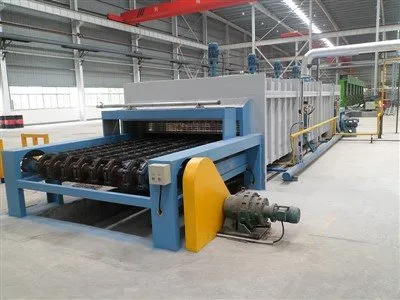
Hey there! As a supplier of Stabilizer Bar Molding Machines, I'm stoked to share with you all the ins and outs of the installation requirements for these bad - ass machines. Let's dive right in!
Site Preparation
First off, you gotta have the right space for your Stabilizer Bar Molding Machine. The floor needs to be flat and level. You don't want your machine wobbling around like a drunkard on a Friday night. A flat floor ensures that the machine operates smoothly and accurately. The recommended flatness tolerance is within ±5mm over the entire installation area.
The area should also be large enough to accommodate the machine and provide sufficient space for operators to move around. You don't want your crew feeling like sardines in a can. There should be at least 1 - 2 meters of clearance around the machine on all sides. This allows for easy access during maintenance, loading, and unloading of materials.
The site should be well - ventilated. These machines generate heat during operation, and proper ventilation helps to dissipate this heat. It also keeps the air quality in check, which is super important for the health of your workers. You might need to install exhaust fans or ventilation ducts depending on the size of the installation area.
Electrical Requirements
Power supply is a crucial aspect. Your Stabilizer Bar Molding Machine typically requires a three - phase power supply. The voltage should be within the specified range of the machine, usually around 380V - 415V. Make sure the electrical system can handle the power load of the machine. You don't want to blow a fuse every time you turn it on.
It's also essential to have a reliable grounding system. A proper ground connection protects the machine and the operators from electrical hazards. The grounding resistance should be less than 4 ohms.
You'll need to install appropriate circuit breakers and overload protection devices. These act as safety nets, preventing damage to the machine in case of electrical faults. Don't skimp on these safety features; they can save you a ton of money in the long run.
Water Supply
Many Stabilizer Bar Molding Machines use water for cooling purposes. The water supply should be clean and free of impurities. Impure water can cause blockages in the cooling system, leading to overheating and potential damage to the machine.

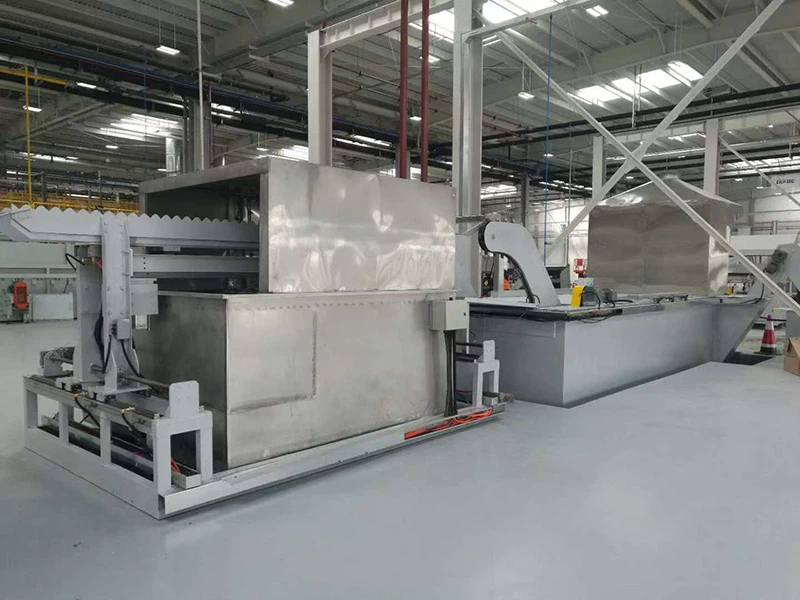
The water pressure should be within the recommended range, usually between 0.2 - 0.4 MPa. A stable water pressure ensures consistent cooling performance. You may need to install a water filtration system to keep the water clean.
The water flow rate also matters. It should be sufficient to meet the cooling requirements of the machine. The exact flow rate depends on the size and specifications of your particular machine.
Equipment Assembly
When it comes to assembling the Stabilizer Bar Molding Machine, follow the manufacturer's instructions to the letter. Make sure all the components are properly aligned and tightened. Loose parts can cause vibrations and affect the quality of the molded stabilizer bars.
The hydraulic system, if your machine has one, needs to be carefully installed. Check for any leaks in the hydraulic hoses and connections. A leaky hydraulic system can lead to a loss of pressure and poor machine performance.
The control system is the brain of the machine. Ensure that all the electrical connections for the control panel are secure. Test the control system before full - scale operation to make sure all the functions are working correctly.
Complementary Equipment
You might need to pair your Stabilizer Bar Molding Machine with some complementary equipment. For example, a Both Ends Heating Furnace is often used to heat the raw materials before molding. This furnace should be installed in close proximity to the molding machine to minimize heat loss during the transfer of the heated materials.
An Automobile Stabilizer Bar Step Quenching Furnace is another important piece of equipment. It's used for the quenching process after molding. Make sure it's installed and calibrated correctly to achieve the desired hardness and mechanical properties of the stabilizer bars.
And let's not forget the Automobile Stabilizer Bar Continuous Tempering Furnace. This furnace is used for the tempering process, which relieves internal stresses in the stabilizer bars. Proper installation of this furnace is crucial for the overall quality of the final product.
Operator Training
Once the machine is installed, your operators need to be well - trained. They should understand how to operate the machine safely and efficiently. Training should cover all aspects, from basic machine controls to troubleshooting common problems.
Provide your operators with a detailed user manual and conduct hands - on training sessions. Encourage them to ask questions and practice on the machine under supervision. Well - trained operators can get the most out of your Stabilizer Bar Molding Machine and reduce the risk of accidents.
Maintenance Plan
After installation, you need to have a regular maintenance plan. This includes routine inspections, cleaning, and lubrication of the machine. Check the wear and tear of the machine parts regularly and replace any worn - out parts in a timely manner.
Keep a record of all maintenance activities. This helps you to track the performance of the machine over time and plan for future maintenance and replacements.
Contact for Purchase and Consultation
If you're in the market for a Stabilizer Bar Molding Machine or have any questions about the installation requirements, we're here to help. Our team of experts has years of experience in this field and can provide you with all the guidance you need. Whether it's choosing the right machine for your needs or ensuring a smooth installation process, we've got your back.
References
- "Industrial Machine Installation Guide", ABC Publishing
- "Electrical Safety Standards for Manufacturing Equipment", XYZ Institute
- "Hydraulic System Maintenance Handbook", 123 Press