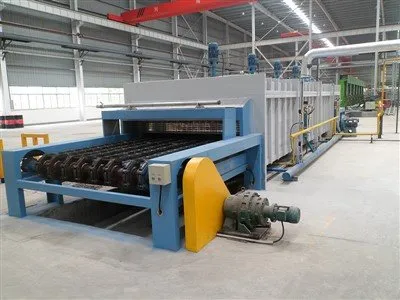
When it comes to using a storing heat heating furnace, cost - saving is always on the top of the list for both us suppliers and our customers. As a supplier of Storing Heat Heating Furnaces, I've seen firsthand how effective cost - saving strategies can make a huge difference in a business's bottom line. In this blog, I'll share some practical tips on how to save costs when using these furnaces.


Optimize Furnace Sizing
One of the first things to consider is getting the right - sized furnace for your needs. A furnace that's too large will consume more energy than necessary, while a too - small one will have to work overtime, also leading to higher energy bills. When you're in the market for a new storing heat heating furnace, it's crucial to assess your actual heating requirements. Look at factors like the size of the space you need to heat, the insulation level of the area, and the frequency of use.
For example, if you're running a small - scale workshop, a Trolley Heating Furnace might be a great fit. It's designed to be mobile and can be easily adjusted to meet the specific heating needs of a smaller area. On the other hand, if you're dealing with large - scale industrial operations, you'll need a bigger, more powerful furnace. But make sure to do the math and not over - invest in a furnace that has more capacity than you actually need.
Upgrade Insulation
Good insulation is like a warm blanket for your furnace. It helps to keep the heat inside the furnace where it belongs, rather than letting it escape into the surrounding environment. Upgrading the insulation of your storing heat heating furnace can significantly reduce energy losses. You can use high - quality insulation materials that are specifically designed for high - temperature applications.
This doesn't just mean insulating the furnace itself. You should also pay attention to the pipes and ductwork connected to the furnace. Leaky pipes can waste a lot of heat, so sealing any gaps and adding insulation to them can go a long way in reducing energy consumption. Check for any signs of wear and tear on the insulation regularly and replace it if needed.
Implement Energy - Efficient Controls
Modern technology has given us some great tools for making furnaces more energy - efficient. Installing programmable thermostats and advanced control systems can help you manage the temperature of your furnace more precisely. With a programmable thermostat, you can set different temperature levels for different times of the day. For instance, you can lower the temperature during off - peak hours when the heating demand is lower.
Some advanced control systems can also adjust the furnace's operation based on real - time data, such as the outside temperature and the actual heat demand inside the space. These systems can optimize the furnace's fuel consumption and reduce energy waste. It might require an initial investment, but in the long run, it can save you a significant amount of money.
Regular Maintenance
You can't neglect regular maintenance if you want to save costs on your storing heat heating furnace. A well - maintained furnace operates more efficiently and has a longer lifespan. Make sure to clean the furnace regularly, including the burners, heat exchangers, and filters. Dirty burners can lead to incomplete combustion, which not only wastes fuel but also can produce harmful emissions.
Check the furnace's components for any signs of damage or wear. Replace any worn - out parts as soon as possible. A small repair now can prevent a major breakdown later, which could be very costly to fix. Also, have a professional technician perform a thorough inspection of the furnace at least once a year. They can identify any potential problems early on and recommend the best course of action.
Use the Right Fuel
The type of fuel you use in your furnace can have a big impact on your costs. Different fuels have different energy densities and prices. For example, natural gas is often a more cost - effective option compared to oil in many regions. But you need to consider the availability and infrastructure requirements of each fuel.
If you're using a solid fuel like coal, make sure to use high - quality coal with a high energy content. Also, ensure that the furnace is properly designed to burn the fuel efficiently. Some furnaces can be converted to use different types of fuels, which can give you more flexibility in terms of cost - saving. You can switch to a cheaper fuel when the price of your current fuel goes up.
Recover Waste Heat
Storing heat heating furnaces generate a lot of waste heat, and instead of letting it go to waste, you can find ways to recover and reuse it. There are various waste - heat recovery systems available in the market. For example, you can use a heat exchanger to transfer the waste heat from the furnace exhaust to pre - heat the incoming air or water.
This pre - heating process reduces the amount of energy needed to heat the air or water to the desired temperature, thus saving fuel. In some industrial processes, the recovered waste heat can be used for other heating applications within the facility, such as hot air drying furnace operations. This not only saves costs but also makes your overall operation more sustainable.
Train Your Staff
Your staff plays a crucial role in the cost - effective operation of the furnace. Make sure they are properly trained on how to operate the furnace correctly. They should know how to set the right temperature, adjust the controls, and perform basic maintenance tasks.
Training can also help them understand the importance of energy conservation. Encourage them to turn off the furnace when it's not needed and to report any unusual noises or performance issues immediately. A well - trained staff can help you avoid costly mistakes and ensure that the furnace is running at its most efficient level.
Consider Group Purchasing
If you're part of an industry group or a consortium, consider group purchasing of furnace supplies and fuel. By buying in bulk, you can often get better prices from suppliers. Group purchasing also allows you to share the cost of maintenance and repair services. You can pool your resources with other businesses and negotiate better deals with service providers.
Evaluate Furnace Performance
Regularly evaluate the performance of your storing heat heating furnace. Keep track of its energy consumption, efficiency, and operating costs over time. Compare these metrics with the manufacturer's specifications and industry benchmarks. If you notice a significant deviation, it could be a sign of a problem.
You can use this data to identify areas for improvement and implement the appropriate cost - saving strategies. For example, if you find that the energy consumption has been increasing steadily, it might be time to upgrade the insulation or replace some components.
In conclusion, there are many ways to save costs when using a storing heat heating furnace. By following these strategies, you can not only reduce your energy bills but also extend the lifespan of your furnace. If you're interested in learning more about our Storing Heat Heating Furnaces or need help implementing these cost - saving strategies, feel free to reach out for a procurement discussion. We're here to help you make the most of your investment in our furnaces.
References
- Energy Efficiency Guide for Industrial Furnaces, Department of Energy
- Handbook of Industrial Heating, John Wiley & Sons
- Best Practices for Furnace Operation and Maintenance, American Society of Heating, Refrigerating and Air - Conditioning Engineers (ASHRAE)