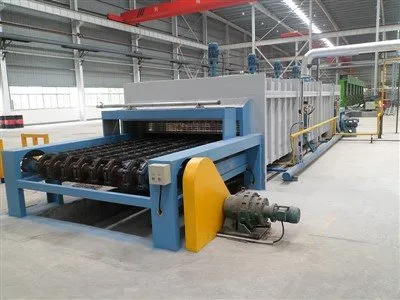
Hey there! As a supplier of Continuous Tempering Furnaces, I've seen my fair share of issues that pop up with these machines. In this blog, I'm gonna talk about some common problems you might face with a continuous tempering furnace and how to solve 'em.
1. Temperature Inconsistency
One of the most common problems in a continuous tempering furnace is temperature inconsistency. You set the temperature to a specific value, but different parts of the furnace end up having different temperatures. This can lead to uneven tempering of the materials, which is a big no - no.
Causes
- Poor Insulation: If the insulation of the furnace is not up to par, heat can escape. This is especially true around the doors, seams, and any other openings in the furnace. When heat escapes, the areas near these openings will be cooler than the rest of the furnace.
- Faulty Heating Elements: Heating elements can wear out over time. If one or more of the heating elements in your furnace aren't working properly, they won't be able to generate the right amount of heat, causing temperature variations.
- Inadequate Air Circulation: Proper air circulation is crucial for maintaining a consistent temperature. If the fans or blowers in the furnace aren't working correctly, hot air won't be distributed evenly throughout the furnace.
Solutions
- Check and Improve Insulation: Regularly inspect the insulation of your furnace. Look for any signs of damage, such as cracks or gaps. If you find any, repair or replace the insulation. You can also add additional insulation to areas that are prone to heat loss.
- Test and Replace Heating Elements: Use a multimeter to test the heating elements. If you find that an element is not functioning correctly, replace it. It's a good idea to keep some spare heating elements on hand so you can make the replacement quickly.
- Verify Air Circulation: Check the fans and blowers in the furnace. Make sure they are clean and free of any debris. If necessary, lubricate the moving parts to ensure smooth operation. You can also adjust the fan speed or the direction of the airflow to improve circulation.
2. Conveyor Chain Issues
The conveyor chain is an important part of a continuous tempering furnace, as it moves the materials through the furnace. When the conveyor chain has problems, it can disrupt the entire tempering process.
Causes
- Wear and Tear: The conveyor chain is constantly in motion, and over time, it can wear out. This can lead to issues such as chain elongation, which can cause the chain to skip or fall off the sprockets.
- Lack of Lubrication: Without proper lubrication, the conveyor chain can experience increased friction, which can lead to premature wear and damage.
- Contamination: If the conveyor chain comes into contact with dirt, dust, or other contaminants, it can cause the chain to jam or malfunction.
Solutions
- Regular Maintenance: Inspect the conveyor chain regularly for signs of wear. Measure the chain's length periodically to check for elongation. If the chain is worn beyond the recommended limit, replace it. You can find more information about conveyor chains on our website Conveyor Chain.
- Lubricate the Chain: Use a high - quality lubricant specifically designed for conveyor chains. Apply the lubricant at regular intervals to reduce friction and prevent wear.
- Keep the Chain Clean: Install a cleaning system to remove any contaminants from the conveyor chain. You can also use covers or enclosures to protect the chain from dirt and dust.
3. Control System Malfunctions
The control system of a continuous tempering furnace is responsible for regulating the temperature, conveyor speed, and other important parameters. When the control system malfunctions, it can lead to inaccurate tempering results.

Causes
- Electrical Problems: Loose connections, damaged wires, or faulty sensors can cause electrical issues in the control system. These problems can lead to incorrect readings and improper operation of the furnace.
- Software Glitches: The control system of modern furnaces often uses software to manage the various functions. Software glitches can occur due to bugs, improper programming, or system updates.
- Component Failure: Over time, components in the control system, such as relays, circuit boards, or controllers, can fail. This can disrupt the normal operation of the furnace.
Solutions
- Check Electrical Connections: Inspect the electrical connections in the control system regularly. Tighten any loose connections and replace any damaged wires.
- Update and Troubleshoot Software: Keep the control system software up - to - date. If you encounter any software glitches, try to troubleshoot the problem by resetting the system or contacting the software manufacturer for support.
- Replace Faulty Components: If you identify a faulty component in the control system, replace it as soon as possible. It's a good idea to have a basic understanding of the control system and keep some spare components on hand.
4. Oxidation and Scale Formation
Oxidation and scale formation on the materials being tempered can be a significant problem in a continuous tempering furnace. This can affect the quality and appearance of the final product.
Causes
- Presence of Oxygen: If there is oxygen present in the furnace atmosphere, it can react with the materials being tempered, causing oxidation. This is especially true at high temperatures.
- Moisture in the Furnace: Moisture can also contribute to oxidation and scale formation. If the furnace is not properly sealed or if there is a leak in the gas supply, moisture can enter the furnace.
Solutions
- Use a Protective Atmosphere: Introduce a protective atmosphere, such as nitrogen or argon, into the furnace. These gases can displace the oxygen and prevent oxidation. You may need to install a gas supply system to maintain the correct atmosphere.
- Keep the Furnace Dry: Check the furnace for any signs of moisture. Seal any leaks in the furnace and make sure the gas supply is dry. You can also use a desiccant to remove any moisture from the furnace atmosphere.
5. Noise and Vibration
Excessive noise and vibration in a continuous tempering furnace can be a sign of a problem. It can also be a nuisance for the operators and may indicate potential damage to the furnace.
Causes
- Loose Components: If there are loose components in the furnace, such as bolts, nuts, or panels, they can vibrate and cause noise.
- Imbalanced Fans or Blowers: An imbalanced fan or blower can cause excessive vibration and noise. This can be due to wear, damage, or improper installation.
- Mechanical Issues with the Conveyor: Problems with the conveyor, such as misaligned sprockets or a damaged chain, can also lead to noise and vibration.
Solutions
- Tighten Loose Components: Regularly inspect the furnace for loose components and tighten them as needed.
- Balance Fans and Blowers: If you suspect that a fan or blower is imbalanced, have it balanced by a professional. This may involve adjusting the weights or replacing the fan blades.
- Check the Conveyor System: Inspect the conveyor system for any mechanical issues. Realign the sprockets and replace any damaged parts.
In conclusion, while continuous tempering furnaces are great pieces of equipment, they can face a variety of problems. By being aware of these common issues and knowing how to solve them, you can keep your furnace running smoothly and ensure high - quality tempering results. If you're interested in our Continuous Tempering Furnace or our Helical Spring Stepping Quenching Furnace, don't hesitate to reach out for more information and to start a procurement discussion. We're here to help you get the most out of your furnace.
References
- "Industrial Furnace Handbook: Principles, Designs, and Operations"
- "Heat Treatment Principles and Processes"