Hey there! As a supplier of spiral round spring equipment, I often get asked about the coating materials used for this kind of equipment. So, I thought I'd share some insights on this topic in today's blog post.
First off, let's understand why coating is important for spiral round spring equipment. Coating serves multiple purposes. It can protect the equipment from corrosion, which is a big deal since these springs are often used in various environments that might expose them to moisture, chemicals, or other corrosive agents. A good coating can also enhance the wear resistance of the equipment, ensuring that it lasts longer and performs better over time. Plus, in some cases, the coating can improve the aesthetic appearance of the springs.
Now, let's dive into some of the common coating materials used for spiral round spring equipment.
Zinc Coating
Zinc is one of the most widely used coating materials for springs. It's relatively inexpensive and provides good corrosion protection. When zinc is applied to the surface of a spring, it forms a protective layer that acts as a barrier between the spring material and the surrounding environment. This layer helps prevent rust and other forms of corrosion from developing.
There are different ways to apply zinc coating, such as electro - galvanizing and hot - dip galvanizing. Electro - galvanizing involves depositing a thin layer of zinc onto the spring through an electrochemical process. It results in a smooth and uniform coating. On the other hand, hot - dip galvanizing is a process where the spring is dipped into a bath of molten zinc. This method creates a thicker and more durable coating, which is great for springs that will be exposed to harsh conditions.
Chrome Coating
Chrome coating is another popular option. It offers excellent corrosion resistance and a very attractive appearance. Chrome - coated springs are often used in applications where both functionality and aesthetics matter, like in automotive and consumer products.
Chrome plating can be hard chrome plating or decorative chrome plating. Hard chrome plating is used when high wear resistance is required. It creates a hard and dense layer on the surface of the spring, which can withstand friction and abrasion. Decorative chrome plating, as the name suggests, is more focused on the look. It gives the spring a shiny and smooth finish that can enhance its visual appeal.
Nickel Coating
Nickel coating is known for its good corrosion resistance and its ability to provide a smooth surface finish. It can also improve the solderability of the spring if required. Nickel - coated springs are commonly used in electronic and electrical applications.
There are different types of nickel coatings, such as bright nickel and satin nickel. Bright nickel gives the spring a shiny and reflective surface, while satin nickel has a more matte finish. The choice between the two depends on the specific requirements of the application.
PTFE Coating
PTFE (Polytetrafluoroethylene), also known as Teflon, is a unique coating material. It has a very low coefficient of friction, which means that springs coated with PTFE can move more smoothly. This is especially useful in applications where the spring needs to slide or rub against other components without getting stuck.
PTFE coating also provides good chemical resistance, making it suitable for use in environments where the spring might come into contact with various chemicals. However, it's important to note that PTFE coating might not be as durable as some of the other coatings in terms of abrasion resistance, so it's more commonly used in applications where low friction is the primary concern.
Epoxy Coating
Epoxy coatings are a great choice for protecting springs from corrosion and wear in a wide range of environments. They can be formulated to have different properties, such as high flexibility or high hardness. Epoxy - coated springs are often used in industrial applications where they need to withstand tough conditions.

Epoxy coatings can be applied in different ways, such as by spraying or dipping. The coating forms a tough and durable film on the surface of the spring, which helps prevent damage from impact, chemicals, and moisture.
Our Equipment and Coating Compatibility
At our company, we understand the importance of choosing the right coating for spiral round spring equipment. That's why our equipment is designed to be compatible with a variety of coating processes. Whether you're looking to apply zinc, chrome, nickel, PTFE, or epoxy coating, our machines can handle it.
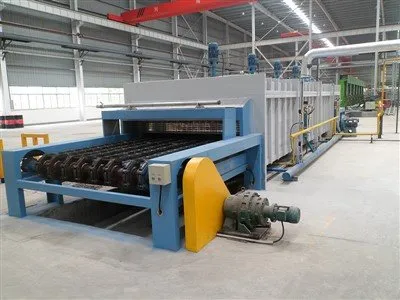
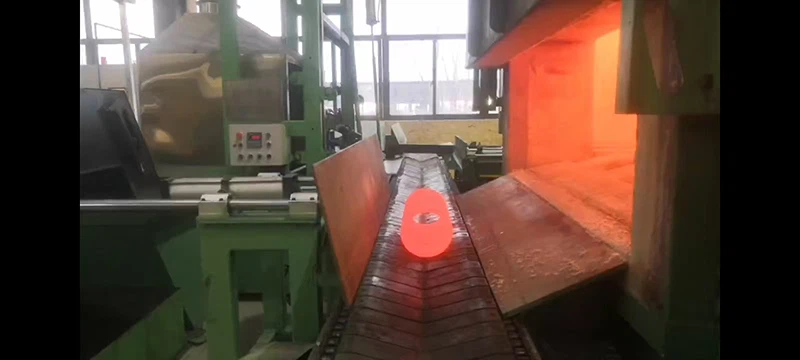
For example, our Helical Spring Stepping Quenching Furnace is an essential part of the spring manufacturing process. It ensures that the springs are properly heat - treated before coating, which can improve the adhesion of the coating and the overall performance of the spring.
Our Continuous Tempering Furnace is also crucial. After the quenching process, the springs need to be tempered to achieve the right level of hardness and toughness. This step helps the coating adhere better and also enhances the spring's resistance to deformation.
And our Holding Furnace can be used to maintain the temperature of the springs during the coating process. This is important because the temperature can affect the quality of the coating application.
Choosing the Right Coating for Your Needs
When it comes to selecting the coating material for your spiral round spring equipment, there are several factors to consider. First, think about the environment in which the springs will be used. If they'll be exposed to saltwater, for example, a zinc or chrome coating might be a good choice due to their high corrosion resistance.
The application of the springs also matters. If the springs need to have a low friction surface, then PTFE coating could be the way to go. And if you're looking for a balance between cost and performance, zinc coating might be the most suitable option.
Another factor is the aesthetic requirements. If you want the springs to look good, a chrome or nickel coating can provide an attractive finish.
Let's Talk!
If you're in the market for spiral round spring equipment or have questions about coating materials, I'd love to hear from you. We can have a detailed discussion about your specific needs and find the best solutions for your business. Whether it's choosing the right coating material or the most appropriate equipment, we're here to help. So, don't hesitate to reach out and start a conversation about your procurement needs.
References
- ASM Handbook Volume 5: Surface Engineering
- Corrosion Resistance of Metals and Alloys by David A. Jones
- Handbook of Spring Design by William A. Nash