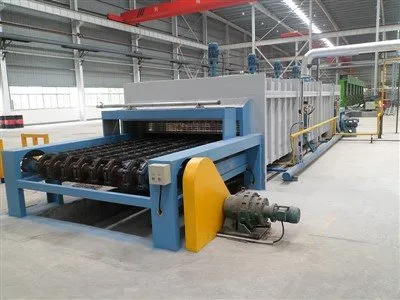
Hey there! I'm a supplier of Conveyor Chain, and today, I'm super excited to chat about how conveyor chains are gonna be used in the future.
Current State of Conveyor Chains
Right now, conveyor chains are everywhere. You can find them in factories, warehouses, and even in some high - tech labs. They're like the unsung heroes of the industrial world, moving all sorts of stuff from one place to another. Whether it's heavy machinery parts in a manufacturing plant or small packages in a distribution center, conveyor chains get the job done.
In the food industry, conveyor chains are used to move products along the production line. They're designed to be hygienic and easy to clean, so they can meet the strict food safety standards. And in the automotive industry, conveyor chains play a crucial role in the assembly line, transporting car parts to the right stations at the right time.
Future Trends in Conveyor Chain Usage
1. Automation and Industry 4.0
The future is all about automation, and conveyor chains are no exception. With the rise of Industry 4.0, we're seeing more and more smart factories. Conveyor chains will be integrated with sensors and IoT (Internet of Things) technology. These sensors can monitor the chain's performance, detect any signs of wear and tear, and even predict when maintenance is needed.
For example, in a fully automated warehouse, conveyor chains will work in sync with robotic arms and autonomous guided vehicles (AGVs). They'll be able to adjust their speed and direction based on the real - time needs of the system. This level of automation will not only increase efficiency but also reduce the risk of human error.
2. Environmental Sustainability
As the world becomes more environmentally conscious, the demand for sustainable conveyor chains will grow. We're looking at the development of conveyor chains made from recycled materials or those that are more energy - efficient.
For instance, some new conveyor chains are designed with low - friction materials. This reduces the amount of energy required to move the chain, which in turn cuts down on electricity consumption. And in industries where heat treatment is involved, like in the manufacturing of Holding Furnace or Automatic Quenching Furnace components, conveyor chains can be optimized to minimize heat loss during the transfer process.
3. Customization for Niche Industries
There are going to be more niche industries emerging in the future, and they'll have unique requirements for conveyor chains. For example, the medical device industry needs conveyor chains that can handle delicate and precise components. These chains will have to be ultra - clean, vibration - free, and capable of very precise movement.
In the aerospace industry, conveyor chains will need to be able to handle high - strength and lightweight materials. And with the growth of the e - commerce industry, conveyor chains will be customized to handle different shapes and sizes of packages more efficiently.
New Applications of Conveyor Chains
1. Renewable Energy Sector
The renewable energy sector, especially solar and wind energy, is growing rapidly. In solar panel manufacturing, conveyor chains can be used to transport silicon wafers, glass panels, and other components through different production stages. They can also be used in wind turbine manufacturing plants to move large parts like blades and hubs.
2. 3D Printing
As 3D printing becomes more mainstream, conveyor chains will play a role in this field. They can be used to transport raw materials to the 3D printers and to move the finished products out of the printing area. This will help in creating a more continuous and efficient 3D printing production line.
3. Smart Cities
In smart cities, conveyor chains can be used in waste management systems. For example, they can be part of a sorting system that separates different types of waste materials. They can also be used in underground infrastructure for transporting pipes, cables, and other construction materials.
Challenges and Solutions
1. Wear and Tear
One of the main challenges with conveyor chains is wear and tear. Over time, the links and pins can wear out, which can lead to chain failure. To solve this problem, we're developing new heat - treatment processes and using high - quality materials. For example, some conveyor chains are now made with special alloys that are more resistant to wear.
2. Noise and Vibration
Conveyor chains can sometimes produce a lot of noise and vibration, which can be a nuisance in the workplace. We're working on designing chains with better shock - absorbing properties and using lubricants that reduce friction and noise.
3. Integration with New Technologies
Integrating conveyor chains with new technologies like IoT and automation can be a challenge. It requires expertise in both mechanical engineering and software development. But by collaborating with tech companies and investing in research and development, we're making progress in this area.
Why Choose Our Conveyor Chains
As a supplier, we've been in the business for a long time, and we're always at the forefront of innovation. Our conveyor chains are made with high - quality materials and are designed to meet the latest industry standards. We can customize our chains to fit your specific needs, whether you're in a niche industry or a large - scale factory.
We also offer excellent after - sales service. Our team of experts is always ready to help you with installation, maintenance, and troubleshooting. We believe that building a long - term relationship with our customers is key to our success.
Let's Talk
If you're interested in our Conveyor Chain products or have any questions about how conveyor chains can be used in your industry, don't hesitate to reach out. I'm here to have a chat and see how we can work together to take your business to the next level. I believe that with the right conveyor chains, we can make your operations more efficient and productive.

References
Brown, J. (2021). The Future of Industrial Conveyors. Industrial Journal, 15(2), 45 - 56.
Green, A. (2022). Sustainable Manufacturing: Conveyor Chains and Beyond. Sustainability Review, 8(3), 78 - 89.
Smith, R. (2023). Automation and Conveyor Chain Technology. Tech Trends Magazine, 22(1), 23 - 34.