Searching for patents on spiral round spring equipment can be a crucial step for a supplier like me. It not only helps in understanding the existing technological landscape but also in innovating and staying competitive in the market. In this blog, I'll share some effective ways to search for such patents, drawing from my experience as a supplier of spiral round spring equipment.
Understanding the Importance of Patent Search
Before diving into the search process, it's essential to understand why patent search is so important. For a spiral round spring equipment supplier, patents can provide valuable insights into the latest technologies, manufacturing processes, and design concepts. By searching for patents, we can:
- Avoid Infringement: Ensure that our products and processes do not violate existing patents, which can save us from potential legal issues and financial losses.
- Identify Technological Trends: Stay updated on the latest advancements in spiral round spring equipment technology, allowing us to develop innovative products and improve our manufacturing processes.
- Find Licensing Opportunities: Discover patents that we may be interested in licensing, which can help us access new technologies and expand our product offerings.
- Evaluate Competitors: Analyze the patent portfolios of our competitors to understand their strengths and weaknesses, and to identify potential areas for differentiation.
Choosing the Right Patent Databases
There are several patent databases available online, each with its own features and limitations. As a supplier of spiral round spring equipment, I recommend using the following databases for patent search:
- USPTO (United States Patent and Trademark Office): The USPTO database is one of the most comprehensive patent databases in the world, containing millions of patents issued by the United States. It provides free access to patent documents, including full-text search capabilities and advanced search filters.
- EPO (European Patent Office): The EPO database offers access to European patents and patent applications, as well as international patents filed under the Patent Cooperation Treaty (PCT). It provides a user-friendly interface and advanced search tools, including classification search and citation analysis.
- WIPO (World Intellectual Property Organization): The WIPO database provides access to international patents filed under the PCT, as well as patents from various national and regional patent offices around the world. It offers a global perspective on patent trends and technologies, and provides advanced search features such as keyword search and classification search.
- Google Patents: Google Patents is a free online patent database that provides access to patents from multiple patent offices around the world, including the USPTO, EPO, and WIPO. It offers a simple and intuitive search interface, as well as advanced search filters and visualization tools.
Conducting a Patent Search
Once you have chosen the right patent databases, it's time to start conducting your patent search. Here are some tips to help you conduct an effective patent search:

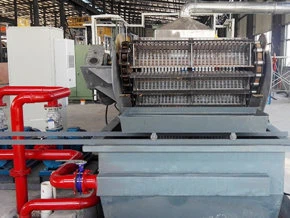
- Define Your Search Terms: Before you start searching, it's important to define your search terms carefully. Use a combination of keywords, phrases, and classification codes related to spiral round spring equipment, such as "spiral round spring", "spring manufacturing equipment", "spring quenching furnace", etc. You can also use synonyms and related terms to expand your search.
- Use Advanced Search Filters: Most patent databases offer advanced search filters that allow you to narrow down your search results based on various criteria, such as patent type, publication date, inventor, assignee, etc. Use these filters to refine your search and to focus on the most relevant patents.
- Review the Patent Documents: Once you have obtained a list of relevant patents, it's important to review the patent documents carefully. Pay attention to the claims, which define the scope of the patent protection, as well as the description and drawings, which provide detailed information about the invention. Look for similarities and differences between the patents and your own products or processes, and evaluate the potential impact of the patents on your business.
- Analyze the Patent Landscape: In addition to reviewing individual patents, it's also important to analyze the patent landscape as a whole. Look for trends and patterns in the patent data, such as the number of patents filed over time, the distribution of patents by technology area, and the key players in the market. This can help you identify emerging technologies and opportunities, as well as potential threats and challenges.
Interpreting the Search Results
Interpreting the search results can be a challenging task, especially for those who are not familiar with patent law and terminology. Here are some tips to help you interpret the search results:
- Understand the Patent Claims: The claims are the most important part of a patent document, as they define the scope of the patent protection. Pay close attention to the language used in the claims, and try to understand the specific features and limitations of the invention. Look for any differences between the claims and your own products or processes, and evaluate the potential for infringement.
- Consider the Prior Art: Prior art refers to any existing knowledge or technology that is relevant to the invention. When evaluating a patent, it's important to consider the prior art, as it can affect the validity and enforceability of the patent. Look for any references to prior art in the patent document, and evaluate the significance of the prior art in relation to the invention.
- Seek Professional Advice: If you are unsure about how to interpret the search results or if you have any questions about patent law and terminology, it's a good idea to seek professional advice from a patent attorney or a patent agent. They can provide you with expert guidance and assistance in evaluating the patents and in determining the potential impact of the patents on your business.
Staying Up-to-Date with Patent Developments
The field of spiral round spring equipment is constantly evolving, and new patents are being filed every day. To stay competitive in the market, it's important to stay up-to-date with the latest patent developments. Here are some ways to stay informed:
- Subscribe to Patent Alerts: Most patent databases offer patent alert services, which allow you to receive notifications when new patents are published that match your search criteria. Subscribe to these services to stay informed about the latest patent developments in your field.
- Follow Industry News and Publications: Keep an eye on industry news and publications, as they often report on the latest patent filings and technological advancements in the field of spiral round spring equipment. Subscribe to relevant industry newsletters, magazines, and websites, and follow industry influencers on social media.
- Attend Industry Conferences and Events: Attend industry conferences and events, as they provide an opportunity to network with other professionals in the field, learn about the latest technologies and trends, and stay up-to-date with the latest patent developments. Look for conferences and events that focus on spring manufacturing, materials science, and related fields.
Conclusion
Searching for patents on spiral round spring equipment is an important task for a supplier like me. It can help us avoid infringement, identify technological trends, find licensing opportunities, and evaluate our competitors. By choosing the right patent databases, conducting a thorough patent search, interpreting the search results, and staying up-to-date with patent developments, we can make informed decisions about our products and processes, and stay competitive in the market.
If you are interested in learning more about our spiral round spring equipment or if you have any questions about patent search, please feel free to [contact us for procurement and discussion]. We would be happy to assist you and to provide you with more information.
References
- USPTO (United States Patent and Trademark Office). (n.d.). USPTO Patent Full-Text and Image Database. Retrieved from [USPTO website]
- EPO (European Patent Office). (n.d.). Espacenet - European Patent Search. Retrieved from [EPO website]
- WIPO (World Intellectual Property Organization). (n.d.). PATENTSCOPE - Search International Patent Applications. Retrieved from [WIPO website]
- Google Patents. (n.d.). Google Patents. Retrieved from [Google Patents website]