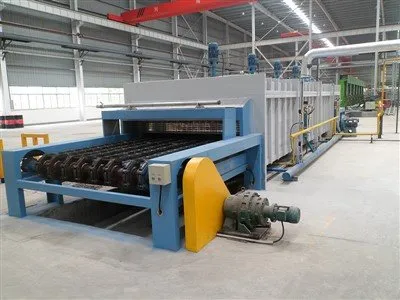
As a seasoned supplier of Conveyor Chains, I've witnessed firsthand the challenges that excessive noise can pose in industrial settings. Conveyor chains are the workhorses of many manufacturing and logistics operations, but their constant movement can generate significant noise levels, which not only affects the working environment but may also lead to long - term health issues for employees and potential non - compliance with noise regulations. In this blog, I'll share some effective strategies to reduce the noise of a conveyor chain.
Understanding the Sources of Conveyor Chain Noise
Before we delve into the solutions, it's crucial to understand where the noise comes from. The primary sources of conveyor chain noise include:
- Friction: When the chain links rub against each other or against the sprockets, it creates friction, which is a major contributor to noise. The contact between the pins and bushings within the chain, as well as the interaction between the chain and the guide rails, can generate high - pitched squealing or rattling sounds.
- Impact: Every time the chain engages with the sprockets, there is an impact. This impact can be especially pronounced when the chain is operating at high speeds or when there are irregularities in the sprocket teeth. The resulting noise is often a sharp, metallic clanging.
- Vibration: Conveyor chains can vibrate due to uneven loading, misalignment, or the natural resonance of the chain itself. These vibrations can be transmitted through the structure of the conveyor system, amplifying the noise levels.
Lubrication: The First Line of Defense
One of the most effective ways to reduce conveyor chain noise is through proper lubrication. Lubricants act as a barrier between the moving parts, reducing friction and wear.
- Select the Right Lubricant: Different conveyor chain applications require different types of lubricants. For high - temperature environments, a lubricant with a high flash point and good thermal stability is essential. In food - processing industries, food - grade lubricants must be used to ensure compliance with safety regulations.
- Regular Lubrication Schedule: Establish a consistent lubrication schedule based on the operating conditions of the conveyor chain. Factors such as speed, load, and environmental conditions will determine how often lubrication is needed. Over - lubrication can be just as problematic as under - lubrication, as it can attract dirt and debris, which may increase friction and noise.
- Use Automatic Lubrication Systems: Automatic lubrication systems can provide precise and consistent lubrication, ensuring that the chain is always properly lubricated. These systems can be programmed to deliver the right amount of lubricant at the right intervals, reducing the risk of human error.
Sprocket and Chain Design
The design of the sprockets and the chain itself can have a significant impact on noise levels.


- Proper Sprocket Tooth Profile: A well - designed sprocket tooth profile can reduce the impact force when the chain engages with the sprocket. For example, sprockets with rounded or involute tooth profiles can provide a smoother engagement, minimizing the clanging noise associated with chain - sprocket interaction.
- High - Quality Chains: Investing in high - quality conveyor chains can pay off in terms of noise reduction. Chains with precision - engineered links and tight manufacturing tolerances will fit more smoothly on the sprockets, reducing friction and vibration. For more information about our high - quality Conveyor Chain, you can visit our website.
- Chain Tensioning: Maintaining the correct chain tension is crucial. An overly loose chain can cause excessive vibration and noise, while an overly tight chain can increase the load on the sprockets and bearings, leading to premature wear and noise. Use tensioning devices to ensure that the chain tension is within the recommended range.
Noise - Absorbing Materials
Another approach to reducing conveyor chain noise is to use noise - absorbing materials in the conveyor system.
- Insulation: Applying insulation materials to the conveyor frame and surrounding structures can help absorb and dampen the noise. Materials such as acoustic foam or rubber mats can be used to line the sides of the conveyor, reducing the transmission of noise to the surrounding environment.
- Guides and Bearings: Using noise - absorbing guides and bearings can also make a difference. For example, bearings with rubber or polymer components can reduce the noise generated by the rotation of the chain links.
System Alignment and Maintenance
Proper alignment and regular maintenance are essential for reducing conveyor chain noise.
- Alignment Checks: Misaligned conveyor chains can cause uneven loading, increased friction, and excessive vibration. Regularly check the alignment of the chain, sprockets, and guide rails, and make adjustments as needed. Use alignment tools such as laser alignment systems for accurate results.
- Preventive Maintenance: Implement a comprehensive preventive maintenance program that includes regular inspections, cleaning, and replacement of worn parts. By identifying and addressing potential issues early, you can prevent the development of excessive noise and extend the lifespan of the conveyor chain. For instance, if you are using a conveyor chain in conjunction with a Helical Spring Stepping Quenching Furnace or a Holding Furnace, proper maintenance of the entire system is crucial.
Environmental Considerations
The environment in which the conveyor chain operates can also affect noise levels.
- Temperature and Humidity: Extreme temperatures and high humidity can cause the chain and sprockets to expand or contract, leading to changes in the fit and increased noise. Ensure that the conveyor system is designed to operate within the expected temperature and humidity range, and take appropriate measures to control these factors if necessary.
- Dust and Debris: Dust and debris can accumulate on the chain and sprockets, increasing friction and noise. Install dust covers and use air blowers or vacuum systems to keep the conveyor clean.
Conclusion
Reducing the noise of a conveyor chain requires a comprehensive approach that addresses the various sources of noise. By focusing on lubrication, sprocket and chain design, the use of noise - absorbing materials, system alignment and maintenance, and environmental considerations, you can significantly reduce the noise levels in your conveyor system.
If you are facing noise issues with your conveyor chain or are looking for high - quality conveyor chain solutions, we are here to help. Our team of experts has extensive experience in the field and can provide customized solutions to meet your specific needs. Contact us today to start a procurement discussion and find the best conveyor chain solutions for your business.
References
- "Conveyor Chain Handbook", Industrial Chain Association
- "Noise Control in Industrial Environments", Environmental Protection Agency
- "Design and Maintenance of Conveyor Systems", Mechanical Engineering Journal