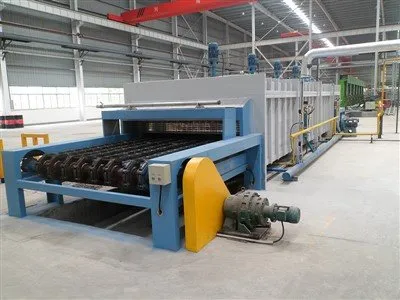
Hey there! As a supplier of Automatic Quenching Furnaces, I've seen my fair share of issues when it comes to the quenching process. One of the most common headaches for manufacturers is deformation during quenching. In this blog, I'm gonna share some tips on how to prevent that from happening in your Automatic Quenching Furnace.
Understanding the Quenching Process
First off, let's quickly go over what quenching is. Quenching is a heat treatment process where a metal is heated to a specific temperature and then rapidly cooled. This helps to harden the metal and improve its mechanical properties. But here's the catch: the rapid cooling can cause internal stresses in the metal, which often lead to deformation.
In an Automatic Quenching Furnace, the process is automated, which means it's more consistent compared to manual methods. However, that doesn't mean you're immune to deformation issues. You still need to take certain precautions to ensure everything goes smoothly.
Factors Contributing to Deformation
There are several factors that can contribute to deformation during the quenching process. Let's take a look at some of the most common ones:
1. Uneven Heating
If the metal isn't heated evenly in the furnace, different parts of it will expand at different rates. When you quench the metal, these unevenly expanded areas will contract at different speeds, causing deformation. To prevent this, make sure your furnace is properly calibrated and that the heating elements are working correctly. You might also want to use fixtures or jigs to hold the metal in place during heating to ensure more uniform heat distribution.
2. Improper Quenching Medium
The choice of quenching medium plays a crucial role in preventing deformation. Different quenching media have different cooling rates. For example, water is a very fast quenching medium, while oil is slower. If you use a quenching medium that's too fast for the type of metal you're working with, it can cause excessive internal stresses and deformation. On the other hand, if the medium is too slow, the metal might not harden properly. So, it's important to choose the right quenching medium based on the metal's composition and the desired properties.
3. Rapid Cooling Rate
As I mentioned earlier, rapid cooling is what causes the internal stresses in the metal. If the cooling rate is too high, these stresses can become so great that they cause the metal to deform. To control the cooling rate, you can use techniques like pre - quenching cooling or interrupted quenching. Pre - quenching cooling involves cooling the metal slightly before fully quenching it, which helps to reduce the initial thermal shock. Interrupted quenching, also known as martempering or austempering, involves stopping the quenching process at a specific temperature and holding the metal there for a period of time before continuing the cooling.

4. Metal Geometry
The shape and size of the metal part can also affect deformation during quenching. Parts with complex geometries or large cross - sections are more prone to deformation because they have uneven heat transfer and cooling rates. For example, a thick - walled part will cool more slowly in the center than on the surface, which can lead to internal stresses and deformation. To deal with this, you might need to modify the part's design or use special quenching techniques.
Preventive Measures
Now that we know what causes deformation, let's talk about how to prevent it.
1. Optimize Heating
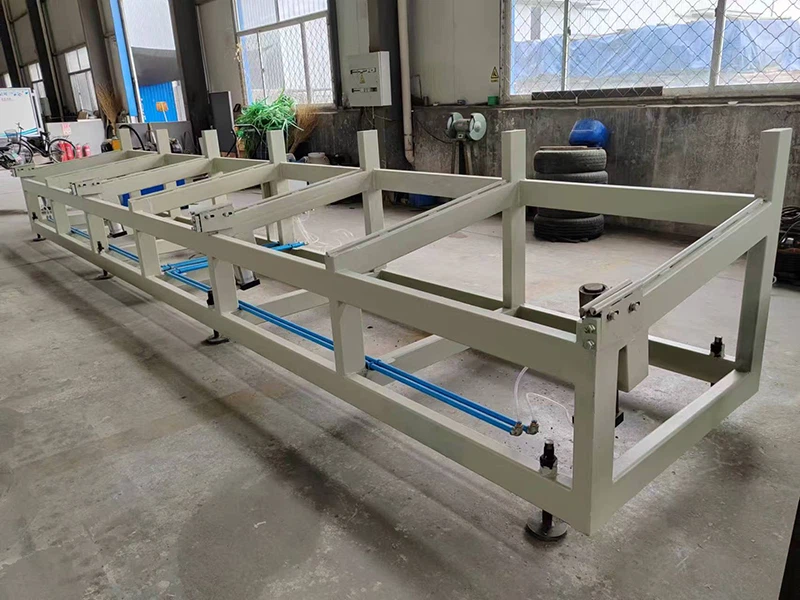
To ensure even heating, you can use a combination of techniques. First, make sure the furnace has good temperature uniformity. You can do this by regularly checking and calibrating the temperature sensors and heating elements. Second, use proper loading techniques. Don't overcrowd the furnace, as this can block the heat flow and cause uneven heating. If possible, use fixtures or racks to hold the parts in place and allow for better heat circulation.
2. Select the Right Quenching Medium
As I said before, choosing the right quenching medium is crucial. For most steels, oil is a good choice because it provides a moderate cooling rate, which helps to reduce the risk of deformation. However, for some high - carbon steels or alloys, a faster quenching medium like water might be necessary to achieve the desired hardness. In these cases, you can use additives in the water to slow down the cooling rate slightly.
3. Control the Cooling Rate
To control the cooling rate, you can use pre - quenching cooling or interrupted quenching techniques. Pre - quenching cooling can be done by air - cooling the part for a short period of time before immersing it in the quenching medium. This helps to reduce the initial thermal shock. Interrupted quenching involves quenching the part to a temperature just above the martensite start temperature, holding it there for a period of time to equalize the temperature, and then cooling it further. This technique helps to reduce the internal stresses and prevent deformation.
4. Design Modifications
If you're dealing with parts that have complex geometries or large cross - sections, you might need to make some design modifications. For example, you can add fillets or radii to sharp corners to reduce stress concentration. You can also use thinner cross - sections or add holes to improve heat transfer and reduce the cooling rate differences between the surface and the interior of the part.
5. Use of Conveyor Chains
In an Automatic Quenching Furnace, Conveyor Chains play an important role in transporting the parts through the furnace and the quenching process. Using high - quality conveyor chains can ensure smooth and consistent movement of the parts, which helps to prevent uneven heating and cooling. Make sure the conveyor chain is properly maintained and lubricated to avoid any issues that could lead to deformation.
Role of Helical Spring Stepping Quenching Furnace
If you're working with helical springs, a Helical Spring Stepping Quenching Furnace can be a great option. These furnaces are designed specifically for the quenching of helical springs and can provide more precise control over the heating and cooling processes. They use a stepping mechanism to move the springs through the furnace, which allows for better heat treatment and reduces the risk of deformation. The design of these furnaces also takes into account the unique geometry of helical springs, ensuring more uniform heat transfer and cooling.
Conclusion
Preventing deformation during the quenching process in an Automatic Quenching Furnace is all about understanding the factors that cause it and taking the right preventive measures. By optimizing heating, selecting the right quenching medium, controlling the cooling rate, modifying the part design, and using high - quality equipment like conveyor chains and specialized furnaces, you can significantly reduce the risk of deformation and improve the quality of your quenched parts.
If you're facing issues with deformation in your quenching process or if you're looking to upgrade your Automatic Quenching Furnace, don't hesitate to reach out. We're here to help you find the best solutions for your manufacturing needs. Whether you need advice on quenching techniques, equipment selection, or any other related issues, we've got you covered. Contact us to start a conversation about your requirements and let's work together to achieve the best results.
References
- "Heat Treatment Principles and Techniques" by George E. Totten and M. A. O. Russell
- "Metallurgy for Engineers: Physical Metallurgy Fundamentals" by Robert Reed - Hill and Robert Abbaschian