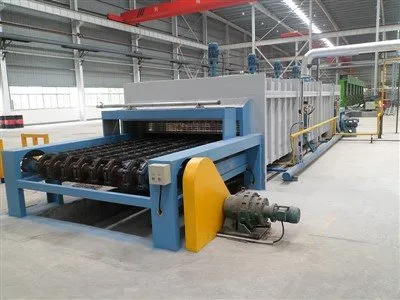
As a supplier of Storing Heat Heating Furnaces, I understand the importance of safety when using our products, especially in closed spaces. Carbon monoxide (CO) poisoning is a serious concern that can occur when using heating appliances in enclosed areas. In this blog, I will share some essential tips on how to prevent carbon monoxide poisoning when using a storing heat heating furnace in closed spaces.
Understanding Carbon Monoxide
Carbon monoxide is a colorless, odorless, and tasteless gas that is produced by the incomplete combustion of fuels such as wood, coal, oil, and gas. When a storing heat heating furnace operates, it burns fuel to generate heat. If the combustion process is not complete, carbon monoxide can be released into the air. In closed spaces, the concentration of carbon monoxide can quickly build up to dangerous levels, leading to poisoning.
Symptoms of Carbon Monoxide Poisoning
It is crucial to recognize the symptoms of carbon monoxide poisoning, as early detection can save lives. The symptoms can vary depending on the level of exposure and the individual's health. Common symptoms include:

- Headache: A persistent headache is one of the most common symptoms of carbon monoxide poisoning.
- Dizziness: Feeling lightheaded or dizzy can be a sign of CO exposure.
- Nausea and Vomiting: These symptoms may occur, especially with higher levels of exposure.
- Weakness: Feeling tired or weak, even after getting enough rest.
- Confusion: Difficulty concentrating or thinking clearly.
- Shortness of Breath: Rapid breathing or difficulty breathing can be a sign of severe CO poisoning.
If you or someone you know experiences these symptoms while using a storing heat heating furnace in a closed space, it is essential to get fresh air immediately and seek medical attention.
Tips for Preventing Carbon Monoxide Poisoning
Proper Installation
- Professional Installation: Always have your storing heat heating furnace installed by a qualified professional. A professional installer will ensure that the furnace is installed correctly, following all safety guidelines and local building codes. This includes proper ventilation, correct fuel connections, and appropriate clearances from combustible materials.
- Ventilation System: A proper ventilation system is crucial for the safe operation of a storing heat heating furnace. The ventilation system should be designed to remove carbon monoxide and other combustion by-products from the closed space. It should also provide an adequate supply of fresh air for the combustion process. Make sure the ventilation system is clean and unobstructed, and have it inspected regularly by a professional.
Regular Maintenance
- Annual Inspections: Schedule annual inspections of your storing heat heating furnace by a qualified technician. During the inspection, the technician will check the furnace for any signs of wear and tear, leaks, or other issues that could affect its safe operation. They will also clean the furnace and its components, ensuring that it is running efficiently.
- Replace Filters: Regularly replace the air filters in your storing heat heating furnace. Dirty filters can restrict airflow, leading to incomplete combustion and increased carbon monoxide production. Follow the manufacturer's recommendations for filter replacement intervals.
- Check for Leaks: Periodically check for gas leaks in your storing heat heating furnace. You can use a gas leak detector or a soapy water solution to check for leaks around the gas connections. If you detect a leak, turn off the gas supply immediately and contact a qualified technician to repair the leak.
Use of Carbon Monoxide Detectors
- Install Detectors: Install carbon monoxide detectors in your home or workplace, especially near the storing heat heating furnace and in sleeping areas. Carbon monoxide detectors can alert you to the presence of carbon monoxide in the air, giving you time to take action before it reaches dangerous levels. Make sure to test the detectors regularly and replace the batteries as needed.
- Interconnected Detectors: Consider installing interconnected carbon monoxide detectors. Interconnected detectors will all sound an alarm if one detector senses carbon monoxide, providing an extra layer of protection.
Safe Operation
- Do Not Block Vents: Do not block the vents or flues of your storing heat heating furnace. Blocked vents can prevent the proper flow of combustion by-products, leading to a build-up of carbon monoxide in the closed space.
- Use the Correct Fuel: Always use the fuel recommended by the manufacturer for your storing heat heating furnace. Using the wrong fuel can lead to incomplete combustion and increased carbon monoxide production.
- Do Not Overload the Furnace: Do not overload your storing heat heating furnace by using more fuel than recommended. Overloading the furnace can cause it to operate inefficiently and increase the risk of carbon monoxide production.
Our Storing Heat Heating Furnaces
At our company, we are committed to providing high-quality storing heat heating furnaces that are safe and efficient. Our furnaces are designed with advanced safety features to minimize the risk of carbon monoxide poisoning. For example, our furnaces are equipped with automatic shut-off valves that will turn off the furnace if a carbon monoxide leak is detected.
In addition to our storing heat heating furnaces, we also offer a range of other heating equipment, such as Hot Air Drying Furnace, Trolley Heating Furnace, and Spitfire Furnace. These products are also designed with safety in mind and are suitable for use in various industrial and commercial applications.

Contact Us for Procurement
If you are interested in purchasing a storing heat heating furnace or any of our other heating equipment, we encourage you to contact us for a consultation. Our team of experts can help you choose the right product for your needs and provide you with all the information you need to ensure its safe and efficient operation. We also offer installation, maintenance, and repair services to ensure that your heating equipment continues to perform at its best.
References
- Centers for Disease Control and Prevention. (2023). Carbon Monoxide Poisoning. Retrieved from [CDC Website]
- National Fire Protection Association. (2023). NFPA 72: National Fire Alarm and Signaling Code.
- Manufacturer's Manuals for Storing Heat Heating Furnaces.