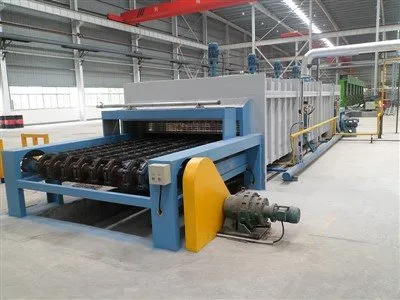
Hey there! As a supplier of Automatic Quenching Furnaces, I've seen firsthand the importance of operating these machines in a cost - effective way. In this blog, I'm gonna share some tips on how you can run your Automatic Quenching Furnace at a low cost.
Understanding the Basics of an Automatic Quenching Furnace
Before we jump into the cost - saving strategies, let's quickly go over what an Automatic Quenching Furnace does. It's a crucial piece of equipment in the heat - treating process. It heats up metal parts to a specific temperature and then rapidly cools them, which changes the metal's physical properties, making it stronger and more durable.
Energy Efficiency: The Key to Low - Cost Operation
One of the biggest expenses when operating an Automatic Quenching Furnace is energy consumption. So, how can we cut down on that?


1. Optimize Furnace Loading
Don't just throw random parts into the furnace. Instead, load it in an organized way. Make sure there's enough space between the parts for proper heat transfer. Overloading the furnace can lead to uneven heating, which means you'll have to keep the furnace running longer to achieve the right temperature. This wastes a ton of energy. For example, if you're treating small metal components, use racks or baskets to arrange them neatly.
2. Use High - Quality Insulation
Good insulation is like a warm blanket for your furnace. It keeps the heat inside, so less energy is needed to maintain the desired temperature. When you're setting up or upgrading your furnace, invest in high - quality insulation materials. This might seem like a big upfront cost, but in the long run, it'll save you a fortune on energy bills.
3. Implement a Smart Heating Schedule
Why keep the furnace running at full blast all the time? Use a programmable controller to set up a heating schedule. You can pre - heat the furnace before you start loading the parts and then adjust the temperature as needed during the process. For instance, if you know you'll be starting your heat - treating operations at 9 AM every day, set the furnace to start pre - heating at 8:30 AM. This way, you're not wasting energy by having the furnace running when it's not needed.
Maintenance: Keeping Your Furnace in Top Shape
Regular maintenance is essential for low - cost operation. A well - maintained furnace runs more efficiently and has a longer lifespan.
1. Clean the Furnace Regularly
Dirt, dust, and debris can build up inside the furnace over time. This can block the heating elements and reduce their efficiency. Make it a habit to clean the furnace at least once a week. Use a soft brush or compressed air to remove any loose particles. Pay special attention to the ventilation system, as a clogged vent can cause the furnace to overheat and use more energy.
2. Check and Replace Worn - Out Parts
Keep an eye on the furnace's components, such as heating elements, thermocouples, and fans. If you notice any signs of wear or damage, replace them immediately. A faulty heating element might not heat the furnace evenly, which means you'll have to use more energy to get the right temperature. You can find replacement parts from reliable suppliers.
3. Calibrate the Furnace Regularly
An uncalibrated furnace can't maintain the correct temperature accurately. This can lead to over - or under - heating, both of which are energy - inefficient. Have your furnace calibrated at least once a year by a professional technician. This will ensure that the temperature settings are accurate and that the furnace is running as efficiently as possible.
Choosing the Right Quenching Medium
The quenching medium you use can also affect the cost of operating your furnace.
1. Evaluate Different Quenching Media
There are several types of quenching media available, such as water, oil, and polymer solutions. Each has its own advantages and disadvantages in terms of cost, cooling rate, and environmental impact. Water is the cheapest option, but it can cause rapid cooling, which might lead to cracking in some metals. Oil provides a more moderate cooling rate but is more expensive and can be a fire hazard. Polymer solutions offer a good balance between cost and performance. You need to evaluate which medium is best for your specific application.
2. Reuse and Recycle Quenching Media
If possible, reuse and recycle your quenching media. For example, you can filter the oil or polymer solution to remove any contaminants and then reuse it. This not only reduces the cost of purchasing new media but also helps to minimize environmental impact.
Utilizing Related Furnace Technologies
There are other types of furnaces that can work in conjunction with your Automatic Quenching Furnace to improve efficiency and reduce costs. Check out our Continuous Tempering Furnace and Holding Furnace. These furnaces can help you achieve better heat - treating results while using less energy. The Continuous Tempering Furnace can be used to temper the quenched parts, which further improves their mechanical properties. The Holding Furnace can hold the parts at a specific temperature for a set period, ensuring uniform heat distribution.
Another great option is our Helical Spring Stepping Quenching Furnace. This specialized furnace is designed for quenching helical springs, offering precise temperature control and efficient operation.
Training Your Staff
Your employees play a crucial role in the low - cost operation of the furnace. Make sure they're well - trained on how to use the furnace properly.
1. Provide Comprehensive Training
Offer training programs that cover everything from basic furnace operation to advanced energy - saving techniques. Teach your staff how to load the furnace correctly, how to monitor the temperature, and how to perform basic maintenance tasks. This will ensure that everyone is on the same page when it comes to operating the furnace efficiently.
2. Encourage Employee Feedback
Your employees are the ones using the furnace every day, so they might have some great ideas for improving its operation. Encourage them to share their feedback and suggestions. You can even set up a reward system for employees who come up with cost - saving ideas.
Conclusion
Operating an Automatic Quenching Furnace in a low - cost way is all about a combination of energy efficiency, regular maintenance, smart choices of quenching media, and proper staff training. By following these tips, you can significantly reduce your operating costs while still achieving high - quality heat - treating results.
If you're interested in learning more about our Automatic Quenching Furnaces or other related furnace technologies, don't hesitate to reach out to us for a procurement discussion. We're here to help you find the best solutions for your business.
References
- "Heat Treating Furnaces: Principles and Practices" by John Doe
- "Energy - Efficient Furnace Operation" by Jane Smith
- Industry reports on heat - treating equipment and cost - saving strategies