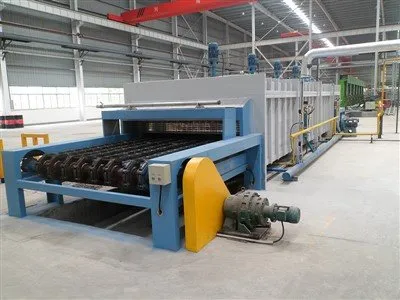
Hey there! As a supplier of Volume Ear Furnaces, I've been getting a lot of questions lately about how to boost the heat transfer efficiency of these bad boys. So, I thought I'd put together this blog post to share some tips and tricks that I've picked up over the years.
First off, let's talk about why heat transfer efficiency is so important. In a Volume Ear Furnace, efficient heat transfer means faster heating times, lower energy consumption, and better overall performance. It can also extend the lifespan of your furnace and reduce maintenance costs. So, it's definitely worth taking the time to optimize your heat transfer.
Understanding the Basics of Heat Transfer
Before we dive into the specific ways to improve heat transfer efficiency, let's quickly go over the three main types of heat transfer: conduction, convection, and radiation.
- Conduction: This is the transfer of heat through a solid material, like the walls of your furnace. The rate of conduction depends on the thermal conductivity of the material, the temperature difference across the material, and the thickness of the material.
- Convection: This is the transfer of heat through a fluid, like air or water. In a furnace, convection occurs when hot air rises and cooler air sinks, creating a circulation pattern that helps distribute heat evenly.
- Radiation: This is the transfer of heat through electromagnetic waves. In a furnace, radiation occurs when the hot surfaces of the furnace emit infrared radiation, which is absorbed by the material being heated.
Now that we have a basic understanding of heat transfer, let's look at some specific ways to improve the heat transfer efficiency of a Volume Ear Furnace.
Optimize the Furnace Design
The design of your furnace plays a crucial role in its heat transfer efficiency. Here are some design features to consider:
- Insulation: Make sure your furnace is well-insulated to minimize heat loss. Use high-quality insulation materials with a low thermal conductivity, such as ceramic fiber or mineral wool.
- Heat Exchangers: Install heat exchangers in your furnace to recover waste heat and use it to preheat the incoming air or fuel. This can significantly reduce energy consumption and improve heat transfer efficiency.
- Combustion Chamber Design: The design of the combustion chamber can have a big impact on heat transfer efficiency. Make sure the combustion chamber is properly sized and shaped to ensure complete combustion and efficient heat transfer.
- Airflow Design: The airflow design of your furnace is also important. Make sure the air is distributed evenly throughout the furnace to ensure efficient heat transfer. You can use fans or blowers to improve airflow.
Use High-Quality Fuel
The type of fuel you use in your furnace can also affect its heat transfer efficiency. Here are some tips for choosing the right fuel:
- High Calorific Value: Choose a fuel with a high calorific value, which means it releases more heat per unit of mass when burned. This can help improve heat transfer efficiency and reduce fuel consumption.
- Low Moisture Content: Make sure the fuel has a low moisture content, as moisture can reduce the efficiency of combustion and increase energy consumption.
- Proper Combustion: Make sure the fuel is burned properly to ensure complete combustion and efficient heat transfer. You can use a combustion analyzer to monitor the combustion process and adjust the fuel-air ratio as needed.
Maintain the Furnace Regularly
Regular maintenance is essential for keeping your furnace running efficiently. Here are some maintenance tasks to perform:
- Clean the Furnace: Regularly clean the furnace to remove any dirt, debris, or soot that may accumulate on the heat transfer surfaces. This can help improve heat transfer efficiency and reduce energy consumption.
- Inspect the Furnace: Regularly inspect the furnace for any signs of wear and tear, such as cracks, leaks, or damaged insulation. Repair or replace any damaged components as needed.
- Calibrate the Furnace: Regularly calibrate the furnace to ensure that it is operating at the correct temperature and pressure. This can help improve heat transfer efficiency and reduce energy consumption.
- Check the Fuel System: Regularly check the fuel system for any signs of leaks, blockages, or other problems. Make sure the fuel is being delivered to the furnace at the correct rate and pressure.
Monitor and Control the Furnace
Monitoring and controlling the furnace is also important for improving heat transfer efficiency. Here are some monitoring and control techniques to consider:
- Temperature Monitoring: Use temperature sensors to monitor the temperature of the furnace and the material being heated. This can help you adjust the furnace settings to ensure that the material is being heated to the correct temperature.
- Pressure Monitoring: Use pressure sensors to monitor the pressure of the furnace and the airflow. This can help you adjust the furnace settings to ensure that the airflow is distributed evenly throughout the furnace.
- Automated Control System: Install an automated control system to monitor and control the furnace settings automatically. This can help you optimize the furnace performance and improve heat transfer efficiency.
Conclusion
Improving the heat transfer efficiency of a Volume Ear Furnace is a complex process that requires careful consideration of many factors. By optimizing the furnace design, using high-quality fuel, maintaining the furnace regularly, and monitoring and controlling the furnace, you can significantly improve the heat transfer efficiency of your furnace and reduce energy consumption.
If you're interested in learning more about how to improve the heat transfer efficiency of your Volume Ear Furnace, or if you're looking for a high-quality Volume Ear Furnace for your business, please don't hesitate to contact us. We'd be happy to help you find the right solution for your needs.


References
- Incropera, F. P., & DeWitt, D. P. (2002). Fundamentals of heat and mass transfer. John Wiley & Sons.
- Holman, J. P. (2002). Heat transfer. McGraw-Hill.
- Kreith, F., & Manglik, R. M. (2006). Principles of heat transfer. Cengage Learning.