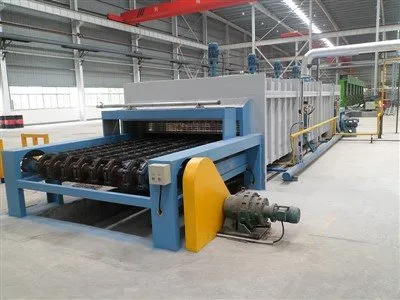
Ensuring uniform heating in a forging furnace is crucial for the quality and efficiency of the forging process. As a forging furnace supplier, I understand the challenges and intricacies involved in achieving consistent temperature distribution. In this blog post, I will share some key strategies and considerations to help you ensure uniform heating in your forging furnace.
1. Furnace Design and Construction
The design and construction of the forging furnace play a fundamental role in achieving uniform heating. Here are some important factors to consider:
Chamber Geometry
The shape and size of the furnace chamber can significantly affect heat distribution. A well-designed chamber should minimize dead zones where heat may not reach evenly. For example, a rectangular chamber with smooth corners and proper insulation can promote better air circulation and heat transfer.
Heating Elements Placement
The placement of heating elements is critical for uniform heating. They should be strategically positioned to ensure that heat is evenly distributed throughout the chamber. In some cases, multiple heating elements may be required, and their arrangement should be optimized based on the size and shape of the workpieces being heated.
Insulation
Proper insulation is essential to prevent heat loss and maintain a consistent temperature inside the furnace. High-quality insulation materials can reduce energy consumption and improve the overall efficiency of the heating process. Additionally, insulation helps to minimize temperature variations between different parts of the furnace.
2. Airflow and Circulation
Good airflow and circulation are essential for uniform heating in a forging furnace. Here are some ways to improve airflow:
Fans and Blowers
Installing fans or blowers can help to circulate hot air within the furnace chamber. This ensures that heat is evenly distributed and reduces the formation of hot and cold spots. The type and size of the fans or blowers should be selected based on the size and capacity of the furnace.
Air Ducts
Air ducts can be used to direct the flow of hot air to specific areas of the furnace. This can be particularly useful for large furnaces or those with complex geometries. By controlling the airflow, you can ensure that heat is evenly distributed throughout the chamber.
Ventilation
Proper ventilation is important to remove any combustion by-products and maintain a safe working environment. It also helps to prevent the buildup of hot air and moisture, which can affect the quality of the heating process. Make sure that the ventilation system is designed to provide adequate airflow without causing excessive heat loss.
3. Temperature Monitoring and Control
Accurate temperature monitoring and control are essential for ensuring uniform heating in a forging furnace. Here are some key considerations:
Thermocouples
Thermocouples are commonly used to measure the temperature inside the furnace. They should be placed at multiple locations to provide a comprehensive view of the temperature distribution. By monitoring the temperature at different points, you can identify any hot or cold spots and make adjustments as needed.
Temperature Controllers
Temperature controllers are used to regulate the heating elements based on the temperature readings from the thermocouples. They can be programmed to maintain a specific temperature setpoint and adjust the power output of the heating elements accordingly. This helps to ensure that the temperature remains consistent throughout the heating process.
Data Logging
Data logging systems can be used to record the temperature readings over time. This allows you to analyze the temperature trends and identify any patterns or anomalies. By reviewing the data, you can make informed decisions about the operation of the furnace and make any necessary adjustments to improve the heating uniformity.
4. Workpiece Loading and Arrangement
The way you load and arrange the workpieces in the forging furnace can also affect the heating uniformity. Here are some tips:
Uniform Loading
Make sure that the workpieces are loaded evenly throughout the furnace chamber. Avoid overloading or stacking the workpieces too closely together, as this can impede the airflow and result in uneven heating.
Spacing
Leave sufficient space between the workpieces to allow for proper airflow and heat transfer. This helps to ensure that each workpiece receives an equal amount of heat and reduces the risk of hot and cold spots.
Orientation
The orientation of the workpieces can also affect the heating uniformity. Consider the shape and size of the workpieces and arrange them in a way that allows for optimal heat distribution. For example, long and thin workpieces may be better arranged vertically to ensure that heat is evenly distributed along their length.


5. Maintenance and Calibration
Regular maintenance and calibration are essential for ensuring the proper operation of a forging furnace and maintaining uniform heating. Here are some important tasks:
Cleaning
Keep the furnace chamber clean to remove any debris or scale that may accumulate over time. This helps to improve the efficiency of the heating process and prevent the formation of hot and cold spots.
Inspection
Regularly inspect the heating elements, fans, blowers, and other components of the furnace for any signs of wear or damage. Replace any worn or damaged parts promptly to ensure the proper operation of the furnace.
Calibration
Calibrate the temperature sensors and controllers regularly to ensure accurate temperature readings and control. This helps to maintain the heating uniformity and ensures that the furnace operates within the specified temperature range.
Conclusion
Ensuring uniform heating in a forging furnace is a complex but essential task. By considering the factors discussed in this blog post, such as furnace design, airflow, temperature monitoring, workpiece loading, and maintenance, you can improve the quality and efficiency of your forging process. At [Our Company], we are a leading forging furnace supplier, offering a wide range of high-quality Spitfire Furnace, Melting Furnace, and Trolley Heating Furnace. Our experienced team can provide you with expert advice and support to help you achieve uniform heating in your forging furnace. If you are interested in learning more about our products or have any questions, please feel free to contact us for a consultation.
References
- Smith, J. (2018). Forging Furnace Design and Operation. Industrial Heating Magazine.
- Johnson, R. (2019). Achieving Uniform Heating in Forging Processes. Metalworking Journal.
- Brown, A. (2020). Temperature Monitoring and Control in Forging Furnaces. Heat Treatment Technology.